Khiching – The Forgotten Gem of Odisha’s Temple Heritage and Stone Artistry
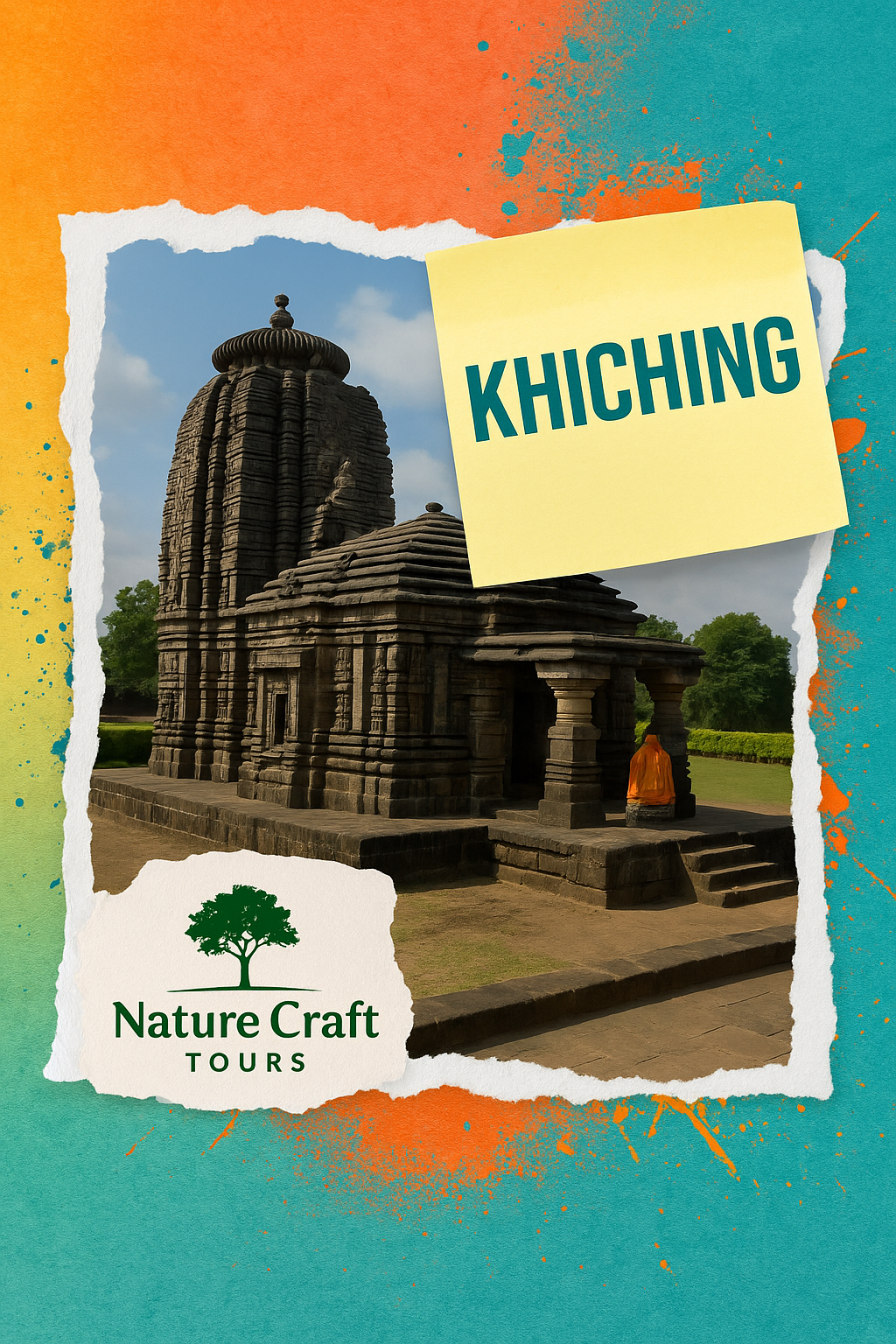
Khiching, a serene heritage town in the Mayurbhanj district of Odisha, stands today as one of the most culturally significant yet lesser-explored destinations in Eastern India. Once the capital of the Bhanja dynasty, this ancient town is renowned for its breathtaking temples crafted from black chlorite stone, its unique archaeological treasures, and its rich legacy of stone carving.
The town’s spiritual heart is the majestic Khiching Maa Kichakeswari Temple, built with polished chlorite that glows almost metallic under sunlight and moonlight. Surrounding the temple are sculptures, museum relics, carvings of remarkable finesse, and remnants of a once-prosperous royal settlement. Khiching is not merely a temple town—it is a living testimony to Odisha’s aesthetic brilliance, architectural mastery, and forgotten dynastic power.
This 2500-word guide offers an in-depth exploration of Khiching’s history, temples, attractions, distances, travel routes, stays, ideal visiting season, and essential travel tips—presented in a formal, descriptive, and research-driven style.
Historical Background – The Legacy of the Bhanja Dynasty
Khiching’s origins date back to at least the 7th–8th century CE, with archaeological evidence suggesting earlier habitation. It flourished as the royal capital of the Bhanja rulers, a dynasty celebrated for its cultural patronage, temple architecture, and contributions to Eastern Indian art.
The Bhanjas were visionary builders who specialized in crafting temples using finely polished black stone, a style not commonly seen in other parts of India. Khiching’s monuments reflect this distinctive identity—powerful, intricate, and deeply symbolic. The town was also an important center of Shaivism and Shaktism, with tantric rituals, sculptural traditions, and temple patronage forming the core of its cultural life.
Architectural Marvel – Maa Kichakeswari Temple
The Kichakeswari Temple is the crown jewel of Khiching and one of Odisha’s most exquisite architectural creations. Dedicated to the presiding deity Maa Kichakeswari, a fierce form of the Mother Goddess, the temple showcases outstanding craftsmanship.
1. Temple Structure and Materials
The temple is constructed entirely from polished black chlorite stone, giving it a gleaming finish similar to metal sculptures. The intricacy of carvings—flora, fauna, deities, dancers, mythical beings, and geometric designs—exhibits the exceptional skills of Bhanja-era artisans.
The main tower (Vimana) rises gracefully with smooth surfaces and bold carvings, while the entrance is adorned with guardian figures that represent both protection and majesty.
2. The Idol of Maa Kichakeswari
The central deity is a powerful representation of feminine strength. The idol is carved from black stone and decorated traditionally by priests. Devotees from across Odisha visit the shrine to seek blessings for courage, protection, and prosperity.
3. Sculptural Highlights
The temple complex is enriched with outstanding sculptures such as:
- Ornamental pillars carved with fine relief work
- Images of animals—lions, elephants, bulls
- Sculptures of dancers, musicians, and celestial beings
- Depictions of Shiva, Parvati, and tantric motifs
- Fragments of earlier temples arranged around the complex
Every sculpture stands as a testament to the region’s stone-carving heritage, making Khiching an open-air museum of black stone art.
Khiching Museum – A Treasure House of Stone Art
Located near the main temple, the Khiching Museum houses numerous archaeological relics uncovered from the region. It is among the finest archaeological museums in Odisha.
Key Collections
- Statues of Hindu and Buddhist deities
- Stone panels from destroyed temples
- Carvings of mythical creatures
- Inscriptions and historical records
- Ancient weapons, tools, and ornaments
Many exhibits date back to the medieval period, offering insight into Khiching’s significant artistic and religious past.
Other Attractions in and Around Khiching
Beyond the main temple, Khiching is dotted with lesser-known but equally noteworthy heritage structures.
1. Ruins of Ancient Temples
Scattered across the town are remains of smaller shrines dating to the Bhanja period. These ruins, though partially collapsed, retain their sculptural elegance.
2. The Stone Carving Workshops
Khiching continues to be home to local sculptors trained in traditional techniques. Visitors may observe artisans shaping black chlorite stone—an art that requires extraordinary patience and mastery.
3. Khiching Lake
A quiet lake near the temple area adds natural charm. The calm waters reflect the sky and surrounding greenery, making it a peaceful spot for rest and photography.
4. Temples of Virata Varaha and Goddess Chamunda
These ancient shrines, though smaller, contain rare sculptures and carvings representing tantric traditions and iconography unique to the region.
5. Local Villages and Rural Scenery
Khiching is surrounded by pastoral landscapes—paddy fields, tribal hamlets, forests, and rolling terrains. The region’s rural tranquillity enhances the travel experience.
Major Distances from Important Locations
- Baripada to Khiching: approx. 55–60 km
- Keonjhar to Khiching: approx. 65–70 km
- Balasore to Khiching: approx. 120–130 km
- Bhubaneswar to Khiching: approx. 230–240 km
- Jashipur to Khiching: approx. 35–40 km
Khiching is centrally accessible from major towns in northern Odisha, making it an excellent inclusion for heritage-based itineraries.
How to Reach Khiching
By Road
Khiching is well-connected through state highways linking Baripada, Keonjhar, and Jashipur. The drive passes through scenic rural landscapes, forests, and small settlements.
From Baripada, the route runs along well-maintained roads, making it a smooth journey for travellers.
By Rail
The nearest major railway stations are:
- Baripada Railway Station
- Rairangpur Railway Station
From these stations, hired vehicles can easily reach Khiching.
By Air
The nearest airport is Biju Patnaik International Airport (Bhubaneswar). From there, visitors can take a road journey of around 5–6 hours to reach Khiching.
Staying Options Near Khiching
Khiching is primarily a heritage village, so accommodations are available in nearby towns rather than within the temple complex.
1. Hotels in Baripada
Baripada, being the nearest urban center, offers comfortable mid-range hotels suitable for travellers and families. It serves as the most practical base for visiting Khiching.
2. Lodges in Rairangpur
Rairangpur has a number of simpler lodging facilities. These are useful for travellers seeking quick access to Khiching during shorter itineraries.
3. Stays in Keonjhar
Keonjhar, another major town in the region, provides accommodation ranges from budget to mid-range properties.
4. Eco-Stays and Community Lodges
Certain community-based lodges near forest regions of Mayurbhanj offer rustic stays close to nature.
Best Time to Visit Khiching
Khiching can be visited throughout the year, but certain seasons enhance the temple’s beauty and the region’s appeal.
Winter (November to February)
Winter is the best season. The weather is cool and pleasant, making exploration of temples, sculptures, and ruins comfortable.
Post-Monsoon (September to October)
After the rains, the landscape becomes lush and photographic, and the temple surroundings appear vibrant.
Summer (March to June)
Temperatures may rise, but morning and evening visits remain manageable. The polished black stone of the temple glows differently in summer sunlight.
Monsoon (June to August)
Khiching looks mystical during light rainfall, though outdoor mobility may be limited.
Suggested Itinerary for Khiching
- Start from Baripada or Keonjhar early morning.
- Arrive at Khiching Maa Kichakeswari Temple.
- Explore surrounding ruins and scattered chlorite sculptures.
- Visit Khiching Museum to understand the area’s full heritage.
- Walk to the nearby lake for peaceful rest.
- Interact with local sculptors and learn about stone artistry.
- Return to base town by evening.
Travel Tips for Khiching Visitors
- Wear comfortable footwear—temple grounds and ruins require walking.
- Photography is allowed in many areas; be respectful during rituals.
- Carry water bottles, especially during summer visits.
- Museum remains closed on certain weekdays—check timings before visiting.
- Support local artisans by purchasing handmade stone artworks.
Conclusion – Khiching: A Forgotten Kingdom of Stone, Spirit, and History
Khiching is one of Odisha’s most extraordinary heritage sites—a place where the brilliance of stone art meets the depth of ancient spiritual traditions. From the magnificent chlorite stone temple of Maa Kichakeswari to the archaeological treasures preserved in the museum, the village offers an unforgettable journey through time.
For travellers seeking cultural richness, architectural finesse, and tranquil surroundings, Khiching is a destination that leaves a lasting impression. It is a silent guardian of Odisha’s medieval heritage—waiting patiently to be rediscovered, celebrated, and cherished by new generations of travellers.