Kaziranga National Park
– A Comprehensive Travel Guide to Assam’s UNESCO Wildlife Realm
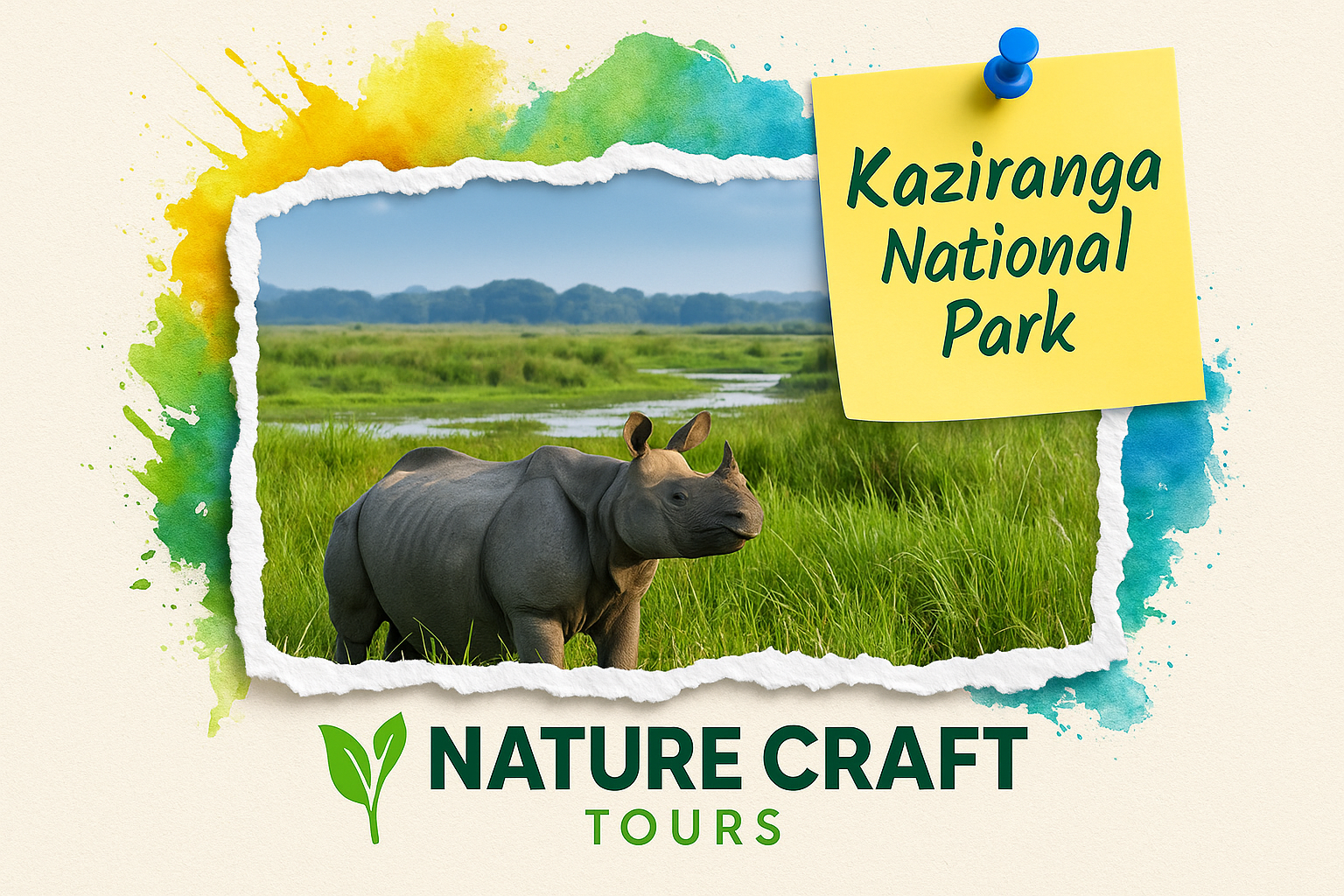
Kaziranga National Park, located in the heart of Assam, stands as one of the finest examples of India’s commitment to wildlife conservation. Celebrated globally for housing the world’s largest population of the great Indian one-horned rhinoceros, this UNESCO World Heritage Site represents an extraordinary mosaic of floodplains, grasslands, semi-evergreen forests, and serene wetlands. A visit to Kaziranga is not merely a journey into a forest—it is a profound immersion into the ecological grandeur of the Eastern Himalayas and the Brahmaputra Valley.
Across its vast expanse of approximately 430 sq. km, Kaziranga shelters an astonishing range of biodiversity: Royal Bengal tigers, Asiatic elephants, wild buffaloes, swamp deer, more than 500 bird species, and an intricate ecosystem shaped by centuries of monsoon-fed floods. The park’s terrain, culture, accessibility, wildlife zones, and conservation stories make it a compelling travel destination for naturalists, photographers, researchers, and general tourists alike.
Overview of Kaziranga National Park
Declared a protected forest reserve in 1905 and elevated to the status of a national park in 1974, Kaziranga’s conservation legacy is among the richest in the Indian subcontinent. The park stretches between the Brahmaputra River to the north and the Karbi Anglong Hills to the south, forming a unique corridor where wildlife movements follow ancient migratory patterns. According to Kaziranga National Park (Wikipedia), the region’s rhino population has consistently grown over decades due to strict protection and habitat management.
Kaziranga’s landscape is divided into four major tourist ranges—each offering distinct topography, wildlife visibility, and safari experiences. The park remains a pristine representation of Assam’s wilderness, enhanced by the presence of tall elephant grass, shallow marshlands, and winding streams that reflect the delicate interplay between land and water.
Best Places to See Inside Kaziranga
1. Kohora Range (Central Range)
The Kohora or Central Range is the most popular safari zone, known for its balanced sighting opportunities, picturesque grasslands, and well-regulated jeep routes. This zone is highly recommended for first-time visitors, especially for those interested in spotting the iconic one-horned rhinoceros grazing in open meadows. Herds of elephants and wild buffaloes appear frequently, while marshes attract bar-headed geese, herons, and storks.
2. Bagori Range (Western Range)
Widely considered the premium zone for rhinoceros sightings, Bagori provides extensive grassland views where rhinos often graze close to the safari tracks. Birdwatchers also favor this zone for its high density of waterfowl and riverine vegetation. The Western Range is ideal for early morning jeep safaris due to its spectacular mist-covered wetlands.
3. Agoratoli Range (Eastern Range)
This zone is comparatively less crowded and offers excellent bird-watching opportunities. It is part of the Eastern Wetlands, making it a haven for migratory birds during winter. Sightings of Bengal tigers, though rare, are occasionally reported here. The eastern side of the park also features dense forest patches, making the safari experience more adventurous and diverse.
4. Burapahar Range (Ghorakati Range)
Situated along the foothills of the Karbi Anglong region, Burapahar offers thrilling trekking experiences, guided forest walks, and a different ecosystem dominated by semi-evergreen forests. It is ideal for tourists seeking a combination of jeep safari and nature trails. This region showcases a tranquil, less-explored side of Kaziranga.
Major Distances to Kaziranga
Understanding the geographical accessibility helps travellers plan their journeys more precisely. Kaziranga lies almost midway on the Guwahati–Dibrugarh route, making it convenient for travel from any part of Assam.
- Guwahati to Kaziranga – approx. 195 km (4.5 to 5 hours by road)
- Jorhat to Kaziranga – approx. 90 km (2 hours)
- Tezpur to Kaziranga – approx. 75 km (1.5 to 2 hours)
- Nagaon to Kaziranga – approx. 100 km (2.5 hours)
- Dibrugarh to Kaziranga – approx. 250 km (5.5 to 6 hours)
- Shillong to Kaziranga – approx. 280 km (6 to 7 hours)
While planning travel in Assam, many tourists also explore nearby destinations such as Majuli Island, Sivasagar, Jorhat tea gardens, or even use Kaziranga as an entry point to the eastern Himalayan landscape. For more wildlife options in India, travellers often refer to platforms like National Park Travel for structured information and planning resources.
How to Reach Kaziranga National Park
By Air
The nearest airport is **Jorhat Airport (Rowriah Airport)** at around 90 km from Kaziranga. Another major airport, **Lokpriya Gopinath Bordoloi International Airport in Guwahati**, lies around 195 km away and is well-connected to major Indian cities. Regular taxi and bus services are available from both airports to Kaziranga.
By Rail
The nearest railway stations are:
- Furkating Junction – approx. 75 km
- Guwahati Railway Station – approx. 195 km
- Jorhat Town Railway Station – approx. 90 km
Trains from Kolkata, Delhi, Bengaluru, Chennai, and Mumbai connect through Guwahati, making it the most preferred railway hub for travellers heading to Kaziranga.
By Road
Kaziranga is located along **National Highway 37 (NH-37)**, ensuring excellent road connections. Several government buses, private Volvos, rental cars, and travel agencies operate regular services from Guwahati, Tezpur, Jorhat, and Dibrugarh. The drive is exceptionally scenic, featuring glimpses of rice fields, Assamese villages, and forest landscapes.
Travel enthusiasts who love exploring offbeat destinations can also relate their experiences with similar biodiversity hotspots in India, such as the Sundarban Tour which showcases another UNESCO Biosphere Reserve noted for mangrove wildlife.
Staying Options in Kaziranga
Kaziranga offers diverse accommodation options, ranging from nature resorts and luxury lodges to forest eco-stays and budget-friendly cottages. Most properties are located around the Kohora and Bagori ranges, providing easy access to safari booking counters and local markets.
1. Wildlife Resorts
Several premium wildlife resorts offer immersive experiences with ethnic Assamese architecture, landscaped gardens, and wildlife-themed interiors. These resorts focus on sustainability, organic cuisine, cultural evenings, and guided nature walks.
2. Mid-Range Hotels and Cottages
Comfortable cottages and hotels are available close to the central range, providing cosy rooms, traditional meals, bonfires, and safari assistance. These accommodations strike a balance between budget and comfort, ideal for families and solo travellers.
3. Eco-Lodges and Homestays
Eco-lodges inspired by Assamese rural life offer bamboo cottages, local food, and a tranquil environment. Homestays run by local families are a beautiful way to experience Assamese culture, weaving traditions, and countryside hospitality.
4. Forest Guesthouses (Government-Operated)
Kaziranga also features government forest lodges located inside or near the park premises. These provide a rustic yet immersive environment for wildlife lovers seeking proximity to nature. Prior advance booking is mandatory for these stays through official tourism portals like Assam Tourism.
Safari Types in Kaziranga
Jeep Safari
Jeep safaris are the most preferred way of exploring Kaziranga. Morning safaris (around sunrise) offer the highest chances of viewing rhinos and elephants, while afternoon safaris highlight birdlife and wetland activity. Each zone has designated routes ensuring safety and minimizing disturbance to wildlife.
Elephant Safari
Elephant safaris allow tourists to enter deep grasslands where rhinos often rest or graze. Conducted under strict regulation, these safaris provide close-up views of wildlife while maintaining safe distancing norms. The rides are generally short but extremely memorable.
Bird-Watching Expeditions
Kaziranga is recognized as an Important Bird Area (IBA) due to the presence of migratory species during winter. Birding expeditions are particularly popular in the Agoratoli and Burapahar ranges. Common sightings include pelicans, lesser adjutants, fishing eagles, hornbills, and various species of ducks.
Things to Do Around Kaziranga
- Visit Kaziranga National Orchid & Biodiversity Park
- Explore local Assamese villages and tea gardens
- Enjoy cultural evenings showcasing Bihu dance performances
- Visit Kakochang Waterfall (close to Bokakhat)
- Experience Brahmaputra river cruises near Tezpur
These attractions enrich the travel experience by blending nature, culture, and local heritage.
Best Time to Visit Kaziranga National Park
The ideal time to visit is between **November and April**, when the climate is pleasant, the grass is shorter, and animal movements are easily visible. The winter months (December–February) are particularly favorable for bird watching due to the arrival of numerous migratory species.
The park remains closed from **May to October** due to heavy monsoon rainfall and seasonal flooding of the Brahmaputra River. However, this annual flood cycle is vital for regenerating the grasslands that sustain Kaziranga’s wildlife.
Travel Tips for Kaziranga National Park
- Always book safaris in advance during peak season
- Wear earthy-coloured clothing to blend with the environment
- Carry binoculars and telephoto lenses for better wildlife viewing
- Maintain silence during safaris for a deeper experience
- Do not feed or disturb animals
- Respect local customs and forest guidelines
Conclusion
Kaziranga National Park is far more than a wildlife sanctuary—it is a symbol of Assam’s natural identity, a refuge for rare species, and a living testament to effective conservation planning. Each visit reveals a new aspect of nature’s brilliance, whether it is the silhouette of a rhino against golden grasslands, the echo of bird calls across still wetlands, or the enchanting mist that drifts over the Brahmaputra plains at dawn.
From its accessibility and diverse safari zones to its cultural richness and scientific significance, Kaziranga remains one of India’s most compelling destinations for travellers seeking authenticity, biodiversity, and timeless natural heritage.