Maharashtra Explorer’s Master Route:
UNESCO Heritage, Sahyadri Forts, Konkan Coast, and Offbeat Nature Corridors
Maharashtra is a state of “layered terrains.” In a single journey you can move from a global metropolis shaped by Victorian Gothic and Art Deco cityscapes, to basalt-cut cave sanctuaries older than a millennium, to Sahyadri ramparts where Maratha military geography was perfected, and finally to the Konkan—where rivers, laterite plateaus, sea forts, and quiet beaches create a slower coastal world. A well-researched plan for Maharashtra is not a simple checklist; it is a sequence designed around climate, road logic, and the character of each region.
Best Time to Visit Maharashtra (Season Logic for Explorers)
October to March (Most Balanced and Comfortable)
This is the best all-round window for city-walks (Mumbai/Pune), heritage sites (Ajanta–Ellora–Elephanta), wildlife (Tadoba), and long coastal drives in Konkan. Air is clearer, humidity is lower, and day-trips are physically easier.
June to September (Monsoon: Sahyadri’s Green Season)
Monsoon transforms the Western Ghats into a waterfall-and-cloud landscape. This is ideal for Lonavala–Khandala, Malshej, Tamhini, Amboli, and other ghat-routes—however, sea conditions can be rough and some trekking routes demand stronger safety discipline.
August to Early October (Special Window for Kaas Plateau Bloom)
If you want Maharashtra’s “valley of flowers” effect, the Kaas Plateau near Satara becomes the highlight during the monsoon bloom season. Visitor management and fragile ecology mean planning and timing matter.
Popular Destinations in Maharashtra (Long Explorer List with Timing + Special Attractions)
These are Maharashtra’s most in-demand destinations, selected for cultural significance, landscape variety, and route value. Each entry includes an explorer-friendly stay suggestion and the “signature attraction” that makes the place worth your time.
1) Mumbai — “India’s Urban Coastline of Heritage and Energy”
- Ideal Duration: 2–3 nights
- Best Timing: November to February for pleasant walking weather
- Special Attractions: The Victorian Gothic and Art Deco ensembles around the Oval Maidan and Marine Drive create a rare cityscape narrative of 19th–20th century modernization. Add sea-facing promenades and museum districts for a complete cultural frame.
2) Chhatrapati Shivaji Maharaj Terminus (Mumbai) — “UNESCO Gothic Landmark”
- Ideal Duration: 1–2 hours
- Best Timing: Early morning or late evening for lighter crowds
- Special Attractions: A globally recognized Victorian Gothic Revival landmark blended with Indian architectural themes—an essential stop for architecture-led travel.
3) Elephanta Caves (Mumbai Harbour) — “UNESCO Rock-Cut Sculpture Sanctuary”
- Ideal Duration: Half day
- Best Timing: October to March (clear skies and calmer seas)
- Special Attractions: A mid-5th to 6th century rock-cut cave complex, with the monumental Cave 1 at the heart of the experience—best approached as art, archaeology, and sacred space in one.
4) Pune — “Culture, Learning, and a Gateway to Fort Country”
- Ideal Duration: 1–2 nights
- Best Timing: October to February
- Special Attractions: Pune is the cleanest “base city” for Sahyadri fort loops, monsoon ghats, and Deccan heritage routes, with strong museums and cultural institutions.
5) Lonavala–Khandala — “Monsoon Hills and Viewpoints Near Pune/Mumbai”
- Ideal Duration: 1–2 nights
- Best Timing: June to September (best monsoon mood), also Oct–Feb for clear views
- Special Attractions: Misty ridges, waterfalls, and easy-access viewpoints—ideal for short nature breaks and fort add-ons.
6) Mahabaleshwar — “Classic Western Ghats Hill Station”
- Ideal Duration: 2 nights
- Best Timing: October to March; monsoon for lush scenery
- Special Attractions: High-elevation viewpoints, forests, lakes, and a cooler microclimate that resets the pace of travel.
7) Matheran — “Vehicle-Free Hill Station with Old-World Quiet”
- Ideal Duration: 1–2 nights
- Best Timing: October to February
- Special Attractions: A rare hill station environment where the walking experience becomes the destination itself.
8) Chhatrapati Sambhaji Nagar (Aurangabad Region) — “Heritage Hub for Caves and Fort-Architecture”
- Ideal Duration: 2–3 nights
- Best Timing: October to March
- Special Attractions: The strategic base for Ajanta–Ellora–Daulatabad, turning one stay into multiple world-class day trips.
9) Ajanta Caves — “UNESCO Buddhist Art in a Cliff Sanctuary”
- Ideal Duration: Full day excursion
- Best Timing: October to March (comfortable exploration)
- Special Attractions: Thirty rock-cut caves above the Waghora River, celebrated for Buddhist paintings and sculptures—an experience of art, devotion, and geology in one frame.
10) Ellora Caves — “UNESCO Multi-Faith Rock-Cut Architecture”
- Ideal Duration: Full day excursion
- Best Timing: October to March
- Special Attractions: A vast complex of rock-cut monuments representing Hindu, Buddhist, and Jain traditions, including the world-famous monolithic Kailasa Temple.
11) Tadoba–Andhari Tiger Reserve (Vidarbha) — “Maharashtra’s Flagship Tiger Landscape”
- Ideal Duration: 2–3 nights
- Best Timing: February to May for higher sighting probability; Oct–Dec for pleasant weather
- Special Attractions: A serious wildlife destination with formal safari systems and strong biodiversity focus—best experienced with patience and early-morning discipline.
12) Sanjay Gandhi National Park + Kanheri Caves (Mumbai) — “Forest Inside a Megacity”
- Ideal Duration: Half day to full day
- Best Timing: November to February
- Special Attractions: A large urban national park with an ancient Buddhist cave complex; Kanheri alone forms a deep archaeology-led walk.
13) Nashik — “Pilgrimage Heritage + Vineyard Landscape”
- Ideal Duration: 1–2 nights
- Best Timing: October to February
- Special Attractions: Riverfront spiritual geography and a modern viticulture identity—excellent for a mixed cultural and leisure schedule.
14) Shirdi — “Major Pilgrimage Circuit Anchor”
- Ideal Duration: 1 night
- Best Timing: October to March for crowd-comfort
- Special Attractions: A high-demand spiritual destination, best planned with early darshan timing and a calm overnight pause.
15) Konkan Coast (Alibaug, Murud, Diveagar, Harihareshwar) — “Sea, Forts, and Coconut-Lined Shores”
- Ideal Duration: 3–5 nights (spread across two bases)
- Best Timing: November to March for beach comfort; monsoon for dramatic greenery
- Special Attractions: Laterite cliffs, sea forts, quiet beaches, and village-style coastal life. Konkan is Maharashtra’s slowest, most photogenic travel rhythm.
16) Sindhudurg–Malvan–Tarkarli Belt — “Fort-Sea Landscapes and Clear-Water Beaches”
- Ideal Duration: 2–3 nights
- Best Timing: October to March
- Special Attractions: A strong blend of maritime heritage (fort culture) and beach calm, with some of the most visually open coastal stretches in the state.
Complete Maharashtra Tour Plan (12 Nights / 13 Days — Most Balanced “Heritage + Ghats + Coast” Circuit)
This route is designed as a realistic, high-value “state sampler,” connecting Maharashtra’s four strongest identities: Mumbai heritage, UNESCO cave corridor, Sahyadri hill viewpoints, and the Konkan coast. It avoids unnecessary zig-zagging and gives each region enough time to feel meaningful.
| Day | Route & Timing | Explorer Highlights |
|---|---|---|
| Day 1 | Arrive Mumbai (easy evening) | Marine Drive/Oval Maidan walk; absorb the city’s architectural atmosphere. |
| Day 2 | Mumbai Heritage Day | CSMT architecture view + Fort precinct heritage walk; museum time if desired. |
| Day 3 | Elephanta Half-Day + Mumbai leisure | UNESCO cave sculptures; return for relaxed evening. |
| Day 4 | Mumbai → Pune (post-breakfast transfer) | Pune cultural pause; prepare for Sahyadri viewpoints and forts. |
| Day 5 | Pune → Lonavala/Khandala loop (day excursion or overnight) | Viewpoints and monsoon-style landscapes (seasonal); light fort add-on if preferred. |
| Day 6 | Pune → Chhatrapati Sambhaji Nagar (travel day) | Evening rest; position yourself for cave excursions. |
| Day 7 | Ellora Full Day | Multi-faith rock-cut monuments; focus on Kailasa Temple depth rather than rushing. |
| Day 8 | Ajanta Full Day | Cliff sanctuary caves; art-led exploration and slow viewing discipline. |
| Day 9 | Sambhaji Nagar → Nashik | Shift from archaeology to river-and-hills landscape; evening calm. |
| Day 10 | Nashik → Shirdi (short transfer) | Pilgrimage experience with realistic timing; quiet overnight. |
| Day 11 | Shirdi → Konkan (Alibaug/Murud side) (long but rewarding transfer) | Transition from Deccan plateau to the sea; sunset beach or fort-viewpoint. |
| Day 12 | Konkan Coast Day | Sea-fort mood (seasonal access), quiet beaches, village-style coastal pace. |
| Day 13 | Return to Mumbai → Departure | Buffer-driven travel planning; final coastal-to-city closure. |
Short Option: 7 Nights / 8 Days (Mumbai + UNESCO Caves + One Hill Station)
- Day 1–2: Mumbai (heritage precinct + CSMT + city coastline walk)
- Day 3: Elephanta half-day + Mumbai leisure
- Day 4: Mumbai → Chhatrapati Sambhaji Nagar (Aurangabad region)
- Day 5: Ellora full-day
- Day 6: Ajanta full-day
- Day 7: Return toward Pune/Lonavala (evening viewpoints)
- Day 8: Departure from Mumbai/Pune
Offbeat Destinations in Maharashtra (Separate List for Serious Explorers)
These are selected for quieter landscapes, stronger “sense of discovery,” and nature/fort/geo-culture value. Many are best in monsoon or in post-monsoon clarity, when the Ghats and plateaus show their richest character.
1) Kaas Plateau (Satara) — “UNESCO-Linked Western Ghats Flower Plateau”
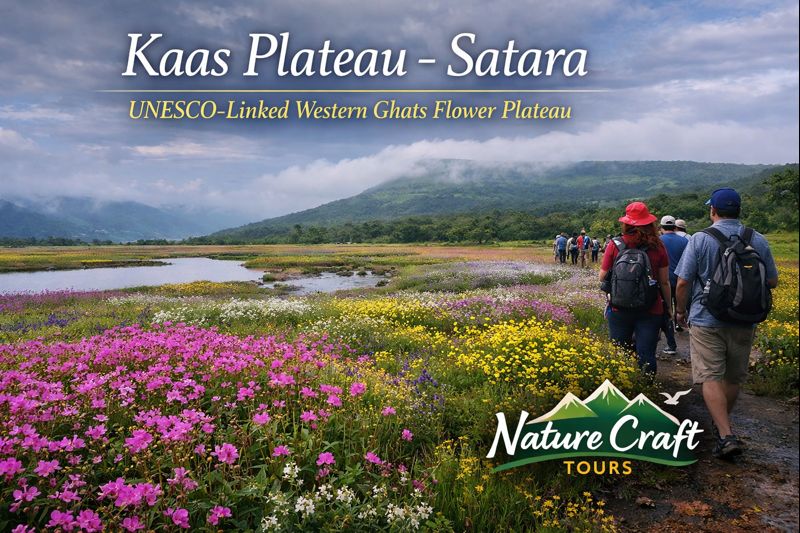
- Ideal Duration: 1 night (Satara base) or long day trip
- Best Timing: Late August to early October
- Why It’s Special: Seasonal wildflower bloom across a high laterite plateau; a biodiversity-led visit rather than a standard viewpoint stop.
2) Lonar Crater Lake (Buldhana) — “Rare Meteor Impact Landscape”

- Ideal Duration: 1 night
- Best Timing: October to February
- Why It’s Special: A distinct geological destination that feels unlike the Ghats or the coast—best for travelers who enjoy science-led landscapes.
3) Bhandardara + Arthur Lake — “Quiet Water and Mountains”

- Ideal Duration: 1–2 nights
- Best Timing: Post-monsoon to winter
- Why It’s Special: A calm, lake-based escape with access to nearby peaks and ridge viewpoints.
4) Sandhan Valley (Sahyadri) — “Canyon Trek Experience”

- Ideal Duration: 1–2 days (trek-based)
- Best Timing: October to February for safer trekking; monsoon only with expert planning
- Why It’s Special: A narrow rock corridor trek that feels like a natural fortress—best for adventure-focused groups.
5) Harishchandragad + Konkan Kada — “Cliff Drama and Ancient Fort Terrain”

- Ideal Duration: 1–2 days (trek-based)
- Best Timing: October to February; monsoon for clouds with caution
- Why It’s Special: A high-impact Sahyadri fort trek where geology and history merge into one panorama.
6) Malshej Ghat — “Cloud Corridors, Waterfalls, and Monsoon Ridge Roads”
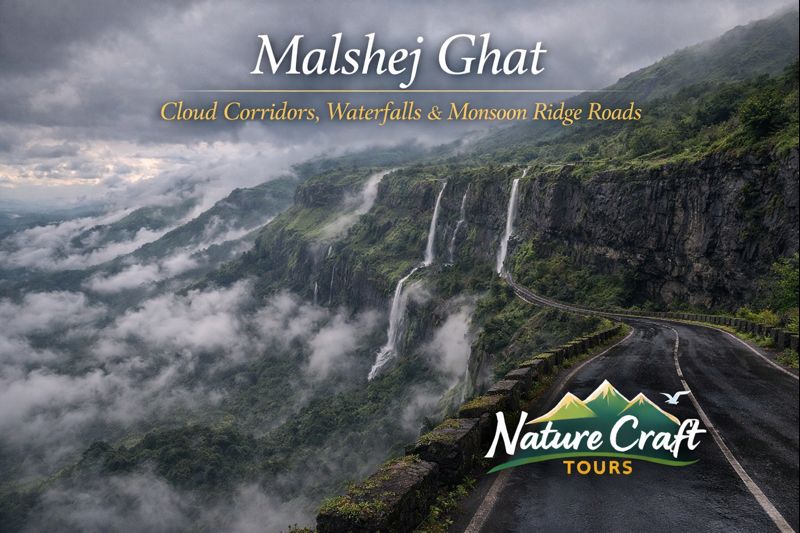
- Ideal Duration: 1 night
- Best Timing: June to September
- Why It’s Special: One of the most dramatic monsoon drives, ideal for photographers and slow viewpoint travel.
7) Amboli Ghat (Sindhudurg) — “Rainforest Mood Near Konkan”
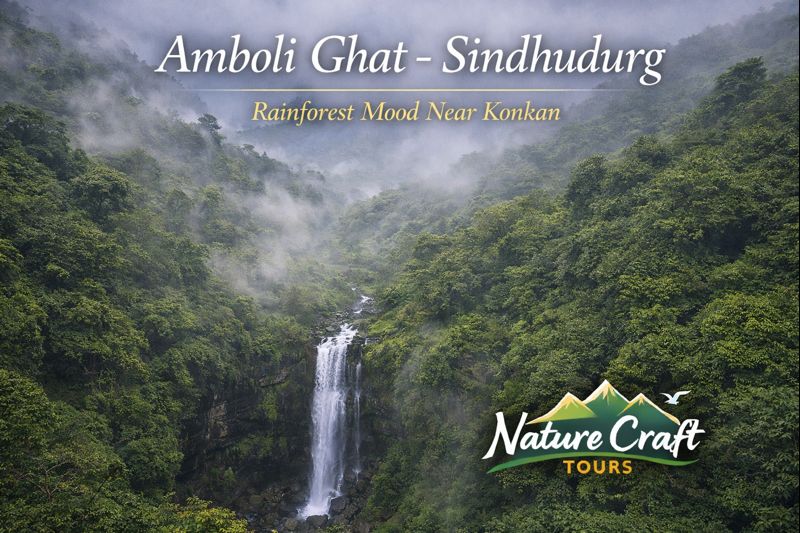
- Ideal Duration: 1–2 nights
- Best Timing: Monsoon and post-monsoon
- Why It’s Special: A misty, biodiversity-rich ghat that pairs beautifully with a Konkan beach extension.
8) Velas (Konkan) — “Seasonal Nature Event and Coastal Village Calm”

- Ideal Duration: 1 night
- Best Timing: Seasonal (event-led planning)
- Why It’s Special: A quiet village-style Konkan experience for travelers who prefer nature and community-led tourism over crowded beaches.
9) Kuda Caves (Konkan) — “Less-Visited Rock-Cut Heritage”
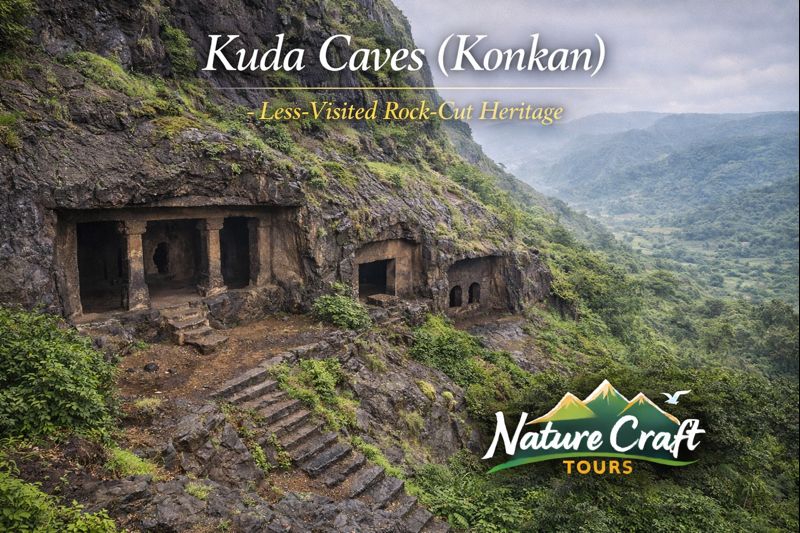
- Ideal Duration: Half day to 1 night (paired with Konkan drive)
- Best Timing: October to March
- Why It’s Special: A quieter cave experience compared to headline UNESCO sites, suitable for heritage explorers who enjoy uncrowded archaeology.
Explorer Notes for Maharashtra Route Design
Build Your Trip by Regions (Not by Random Spots)
- Mumbai Belt: Heritage architecture + Elephanta + SGNP/Kanheri
- Sahyadri Belt: Lonavala–Khandala, Malshej, Amboli, trek forts
- Heritage Belt: Ajanta–Ellora–Daulatabad corridor
- Konkan Belt: Sea forts, quiet beaches, village coastline
- Vidarbha Belt: Tadoba and deeper wildlife travel
Keep Monsoon Choices Strategic
If your travel month is July–September, prioritize the Ghats and waterfalls. If your month is December–February, prioritize caves, city walks, and long Konkan drives for maximum comfort and visibility.
Responsible Travel Matters in Wildlife and Fragile Plateaus
For reserves like Tadoba, rely on official booking systems and follow the park’s discipline. For Kaas Plateau, treat the bloom as a fragile seasonal phenomenon—slow walking, minimal disturbance, and respectful photography preserve the experience for everyone.