Jolly Buoy Island (Seasonal Access):
Clear Water & Coral Views
Jolly Buoy Island – Exploring Andaman’s Seasonal Coral Paradise Through Clear Waters and Responsible Travel
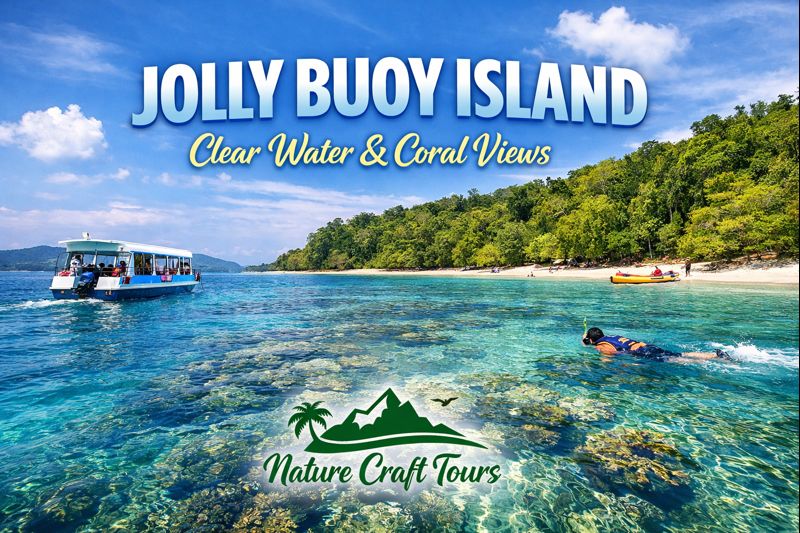
As an explorer, few places evoke the sense of discovery quite like Jolly Buoy Island. Nestled within the protected waters of the Mahatma Gandhi Marine National Park, this small yet ecologically profound island represents one of the clearest windows into India’s coral reef ecosystems. Accessible only during a defined seasonal window, Jolly Buoy Island is not merely a sightseeing destination; it is a carefully regulated marine environment where pristine waters, vibrant corals, and disciplined tourism coexist in rare harmony.
This comprehensive guide explores Jolly Buoy Island in depth—its geography, seasonal access, ecological importance, detailed tour planning, travel timings, special attractions, and the essential principles that govern responsible visitation. The narrative is structured to support both first-time travelers and seasoned nature enthusiasts seeking a research-based understanding of this extraordinary coral island.
Understanding Jolly Buoy Island: Location and Marine Context
Jolly Buoy Island lies approximately 30 kilometers southwest of Port Blair, within the Mahatma Gandhi Marine National Park. Unlike many popular beach destinations in the Andaman archipelago, Jolly Buoy Island remains uninhabited and strictly protected. Its importance stems from its shallow coral beds, exceptional water clarity, and controlled human access, all of which contribute to its reputation as one of the finest coral-viewing sites in India.
The island is surrounded by calm, turquoise waters that act as a natural aquarium. Sunlight penetrates the shallow seabed, illuminating coral formations and reef fish with remarkable visibility. This unique combination of shallow depth and clarity allows even non-swimmers to experience the marine ecosystem from the shoreline.
Why Seasonal Access Is Critical
Jolly Buoy Island operates on a seasonal access model to reduce ecological stress. The island is generally open to visitors between November and May, when sea conditions are stable and underwater visibility is at its peak. During the monsoon months, access is suspended, allowing coral systems to recover naturally without human interference.
This rotation system is a scientifically informed conservation strategy. By alternating access between Jolly Buoy Island and nearby Red Skin Island, the authorities ensure long-term preservation of coral habitats while still enabling controlled tourism.
The Ecological Importance of Jolly Buoy Island
Coral reefs are often described as the rainforests of the sea, and Jolly Buoy Island exemplifies this comparison. The reef systems here support a diverse range of marine life, including reef fish, mollusks, echinoderms, and crustaceans. These organisms form intricate food webs that contribute to coastal stability and marine productivity.
The corals around Jolly Buoy are predominantly fringing reefs, growing close to the shoreline in shallow waters. Their accessibility makes them particularly vulnerable, which is why strict visitor regulations are enforced.
Scientific Value and Conservation Measures
Marine biologists and conservationists regard Jolly Buoy Island as a living laboratory. The island offers valuable insights into coral resilience, bleaching patterns, and reef regeneration under controlled tourism conditions. Prohibitions on plastic, anchoring, swimming, and coral contact are not mere rules but essential scientific safeguards.
These measures ensure that the island remains an educational and ecological asset rather than a casualty of mass tourism.
Planning a Jolly Buoy Island Tour: A Complete Explorer’s Itinerary
A visit to Jolly Buoy Island requires thoughtful planning due to permit systems, fixed schedules, and strict regulations. Unlike casual beach trips, this journey is structured and time-bound, emphasizing quality of experience over quantity of visitors.
Starting Point: Port Blair
All tours to Jolly Buoy Island begin in Port Blair, the capital of the Andaman and Nicobar Islands. Travelers must secure the necessary permits through authorized tour operators or government counters. These permits regulate daily visitor numbers and ensure compliance with marine park guidelines.
Wandoor Beach to Jolly Buoy Island
The journey proceeds from Port Blair to Wandoor Beach, a scenic coastal stretch approximately 25 kilometers away. From Wandoor, registered boats transport visitors to Jolly Buoy Island. The boat ride itself is an experience, offering views of mangrove creeks, open sea expanses, and occasional sightings of seabirds.
Departure timings are usually scheduled in the morning to take advantage of calm seas and optimal sunlight for coral visibility.
Best Time and Timing of Travel
The ideal season for visiting Jolly Buoy Island is between December and April. During this period, sea conditions are tranquil, water visibility is exceptional, and weather patterns are stable. Morning departures are preferred, as the angle of sunlight enhances underwater clarity.
Daily Schedule Overview
- Early morning departure from Port Blair
- Arrival at Wandoor Beach and permit verification
- Boat transfer to Jolly Buoy Island
- Designated time for coral viewing and shoreline exploration
- Return to Wandoor by early afternoon
This structured timing minimizes ecological impact while maximizing visitor experience.
Special Attractions of Jolly Buoy Island
Jolly Buoy Island’s appeal lies not in built attractions but in its natural purity. The absence of permanent structures reinforces the sense of stepping into an untouched marine environment.
Crystal-Clear Water and Coral Visibility
The most celebrated feature of Jolly Buoy Island is its water clarity. On calm days, coral formations are visible from the boat itself. Shades of blue transition into emerald and turquoise as sunlight interacts with the seabed.
Shoreline Coral Viewing
Unlike deep-water snorkeling destinations, Jolly Buoy allows coral observation directly from the shore. This accessibility makes it ideal for families, senior travelers, and those uncomfortable with swimming.
Marine Life Encounters
Visitors often observe colorful reef fish, sea cucumbers, and coral colonies without entering the water. These encounters foster appreciation without physical intrusion.
Rules, Ethics, and Responsible Travel
Jolly Buoy Island is governed by some of the strictest tourism regulations in the Andaman region. These rules are central to the island’s survival.
Key Regulations
- No plastic items allowed
- No swimming or snorkeling
- No touching or collecting corals
- No food consumption on the island
Compliance with these guidelines transforms visitors into participants in conservation rather than passive tourists.
Integrating Jolly Buoy Island into a Broader Travel Experience
Many travelers combine a visit to Jolly Buoy Island with other eco-sensitive destinations across India. For those interested in understanding complex ecosystems, experiences such as a Sundarban Tour offer a complementary perspective on mangrove and riverine biodiversity.
Similarly, travelers exploring curated wildlife and nature-based itineraries may find inspiration through responsible travel platforms focusing on conservation-oriented journeys, such as those associated with Sundarban Travel.
Why Jolly Buoy Island Matters to the Conscious Explorer
Jolly Buoy Island stands as a reminder that tourism and conservation need not be opposing forces. Its seasonal access model, strict regulations, and emphasis on passive observation create a blueprint for sustainable marine tourism.
For explorers, the island offers more than visual beauty. It provides an educational encounter with marine ecosystems, reinforcing the value of restraint, respect, and responsibility in natural spaces.
To walk the shores of Jolly Buoy Island is to witness a delicate balance between human curiosity and ecological preservation. The clear waters and coral views are not commodities but privileges granted under careful stewardship. In embracing these principles, travelers ensure that Jolly Buoy Island remains a living coral sanctuary for generations to come.