Gopalpur-on-Sea — Relaxed Southern Coast:
A Study in Stillness, Sea Memory, and Unhurried Coastal Life
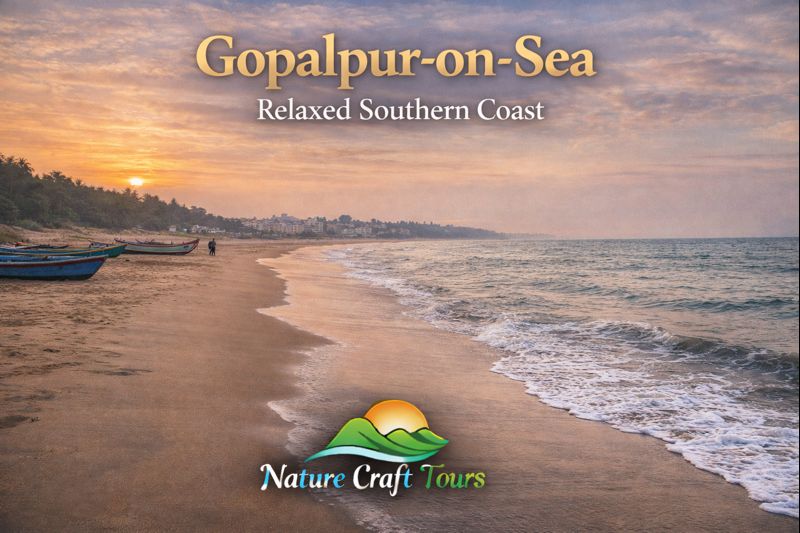
Gopalpur-on-Sea occupies a quiet corner of Odisha’s southern coastline, far removed from the high-energy rhythms that dominate many of India’s beach destinations. This is not a shore defined by crowds, nightlife, or constant motion. Instead, Gopalpur reveals itself through space, wind, and time—through long stretches of sand where the sea moves at its own pace, through remnants of colonial-era ambition now softened by salt air, and through a coastal culture that values routine over spectacle.
To describe Gopalpur merely as a beach town would be incomplete. It is better understood as a transitional landscape—between history and present, commerce and retreat, land and open sea. Once a busy port of strategic importance, Gopalpur gradually receded into quiet relevance, allowing its coastline to recover a rare sense of calm. For travelers seeking reflection, slowness, and coastal authenticity, Gopalpur-on-Sea offers a deeply restorative experience grounded in place rather than performance.
Destination Overview: The Character of Gopalpur-on-Sea
Gopalpur-on-Sea is located along the Bay of Bengal in southern Odisha, close to the border with Andhra Pradesh. The town stretches gently along the coast, with wide beaches, low-rise development, and open horizons that emphasize scale rather than density. Unlike heavily commercialized beaches, Gopalpur retains a distinctly residential feel, shaped by local livelihoods, seasonal visitors, and long-standing coastal routines.
The shoreline here is expansive and uncluttered. Casuarina trees line parts of the coast, acting as windbreaks and lending visual softness to the landscape. Fishing boats, when present, are few and widely spaced. The absence of constant activity allows visitors to engage with the beach as a natural environment rather than an entertainment zone.
Historical Context: From Colonial Port to Coastal Retreat
Gopalpur’s Emergence as a Port Town
During the late nineteenth and early twentieth centuries, Gopalpur emerged as a significant port under colonial administration. Its natural harbor and strategic coastal position supported maritime trade, particularly for inland regions of southern Odisha. Warehouses, customs buildings, and transport routes developed rapidly during this period.
However, shifting trade patterns, sedimentation, and the rise of alternative ports gradually reduced Gopalpur’s commercial importance. By the mid-twentieth century, port activity declined sharply, leaving behind infrastructure that slowly blended into the coastal environment rather than being replaced.
Transformation into a Leisure Coast
As commercial relevance faded, Gopalpur began a quieter transformation. Colonial-era residences, open promenades, and institutional buildings found new roles or fell into gentle disuse. The town’s coastal charm, combined with its climate and open spaces, attracted travelers seeking respite rather than activity.
This transformation occurred gradually, allowing Gopalpur to retain coherence rather than undergoing abrupt redevelopment. The result is a town where history remains legible without being staged.
The Coastal Landscape: Sand, Wind, and Open Horizon
Physical Character of the Beach
Gopalpur’s beach is defined by its width and continuity. Long stretches of sand extend uninterrupted, creating a strong sense of openness. The gradient is gentle, allowing waves to break evenly rather than crashing sharply. This produces a rhythmic soundscape—consistent, calming, and unforced.
The beach surface changes subtly with season. During winter, sand is firm and pale, ideal for long walks. Monsoon months reshape the shoreline, creating dramatic textures and darker tones. These seasonal variations add depth to repeat visits.
Wind and Weather Patterns
Wind plays a central role in shaping the Gopalpur experience. Coastal breezes are steady rather than gusty, particularly during mornings and late afternoons. This airflow moderates temperature and enhances comfort, even during warmer months.
The interaction of wind and sea defines daily rhythms. Early mornings are often still and reflective, while afternoons bring stronger breezes that animate the surface of the water without overwhelming it.
Cultural Life and Coastal Community
Fishing Traditions and Everyday Coastal Work
Fishing remains an integral part of Gopalpur’s identity, though on a modest scale. Small groups of fishermen operate close to shore, often returning by late morning. Nets are repaired on the beach, boats are pulled manually, and activity follows tidal cycles rather than market pressure.
This visible but unintrusive livelihood adds authenticity to the beach environment. Visitors encounter working coastlines rather than curated scenes, reinforcing Gopalpur’s grounded character.
Social Rhythm and Local Interaction
Life in Gopalpur moves at an unhurried pace. Shops open and close according to daily needs, not tourist demand. Evening walks, informal conversations, and shared public spaces define social interaction. For travelers, this offers a chance to observe coastal life without intrusion.
Ecological Setting and Coastal Sensitivity
Gopalpur’s coastline forms part of a broader ecological corridor along the Bay of Bengal. Sand dunes, casuarina belts, and nearshore waters support coastal biodiversity and act as buffers against erosion. Seasonal nesting of small marine organisms and bird movement adds subtle ecological value.
The relative absence of heavy construction has allowed natural processes to continue with minimal disruption. This contrasts strongly with more intensively developed coastal zones and highlights the long-term benefits of restrained growth.
Experiential Highlights of Gopalpur-on-Sea
Long Coastal Walks
One of Gopalpur’s greatest offerings is space for uninterrupted walking. The beach allows for extended movement without obstacles, crowds, or constant interruption. Walks here become meditative rather than recreational, encouraging reflection rather than exertion.
Sunrise and Evening Light
Mornings in Gopalpur are marked by soft, diffused light as the sun rises over the Bay of Bengal. Evenings, by contrast, are defined by long shadows and muted colors as the sun lowers behind inland terrain. These transitions are subtle but deeply atmospheric.
Quiet Observation of Sea Life
While Gopalpur is not a wildlife destination in the conventional sense, attentive visitors may notice seabirds, surface fish movement, and changing wave patterns that reveal the living nature of the coast. Observation here is quiet and unstructured.
Best Time to Visit Gopalpur-on-Sea
Seasonal Comfort and Atmosphere
The most favorable period to visit Gopalpur is between October and February. During these months, temperatures are moderate, humidity is lower, and coastal winds are pleasant. This season supports long outdoor activity without discomfort.
Monsoon months bring dramatic skies and refreshed landscapes but can limit beach access due to strong winds and rough seas. Summer months are warmer, though early mornings and evenings remain enjoyable.
Ideal Travel Duration
Gopalpur rewards longer stays rather than brief visits. A minimum of two to three days allows travelers to adapt to the town’s pace and experience different times of day. Extended stays of four to five days are particularly beneficial for those seeking rest, reflection, or creative retreat.
Route and Accessibility
Approaching the Southern Coast
Gopalpur is accessible by road and rail from major cities of Odisha and neighboring states. The final approach transitions from inland plains to coastal terrain, gradually revealing the openness of the sea. This gradual arrival enhances the sense of retreat.
Movement Within the Town
The town is compact and best explored on foot. Walking allows visitors to experience subtle variations in neighborhood character and shoreline perspective. Vehicular movement is minimal and rarely intrusive.
Gopalpur in a Broader Coastal Journey
When placed within a wider eastern India itinerary, Gopalpur offers contrast rather than competition. Travelers familiar with dynamic deltaic landscapes and wildlife-focused destinations such as those experienced during a Sundarban Tour may find Gopalpur’s stillness particularly restorative.
Similarly, combining relaxed coastal time at Gopalpur with nature-intensive itineraries through a Sundarban Tour Package creates a balanced journey between observation and rest, intensity and calm.
Practical Insights for Thoughtful Travelers
Gopalpur is best approached without rigid schedules. Flexible planning allows travelers to respond to weather, mood, and daily rhythm. Light clothing, walking footwear, and sun protection are sufficient for most activities.
Visitors are encouraged to respect the town’s quiet character by minimizing noise, litter, and intrusive behavior. Engagement with local life should be observational rather than extractive.
Gopalpur-on-Sea as a Coastal Pause
Gopalpur-on-Sea does not seek attention. Its strength lies in absence—of crowds, urgency, and excess. It offers a coastal experience grounded in continuity rather than novelty, where the sea is allowed to remain dominant and human presence stays measured.
For travelers willing to slow down, Gopalpur provides something increasingly rare: a chance to inhabit a place without consuming it. As a relaxed southern coast, it stands as a reminder that the most enduring travel experiences often emerge from stillness, patience, and attentive presence.