Kasol (Parvati Valley):
Riverside Leisure, Cultural Crossroads, and the Quiet Art of Slowing Down
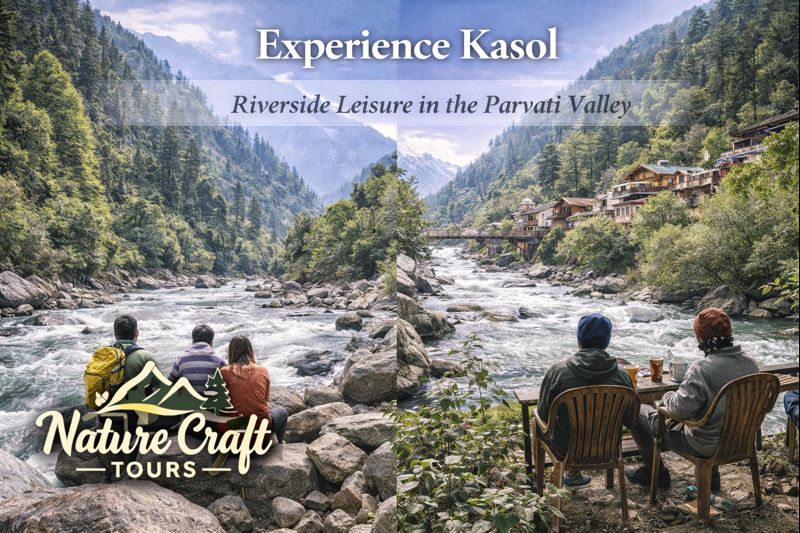
Kasol does not announce itself with monuments or grand narratives. It reveals itself gradually, along the steady flow of the Parvati River, through wooden bridges, forest-lined paths, cafés facing water, and long hours of unhurried observation. Situated in the lower stretch of the Parvati Valley, Kasol has evolved into a place where landscape, leisure, and layered cultures coexist in a delicate balance. It is neither a pilgrimage town nor a remote mountain hamlet, yet it borrows elements from both—quiet reflection from the former, and intimacy with nature from the latter.
At its core, Kasol is defined by riverside living. Life here aligns itself with the Parvati River’s rhythm: mornings shaped by mist and sound, afternoons by filtered sunlight through pine canopies, evenings by stillness broken only by water and conversation. Over time, Kasol has attracted travelers seeking respite rather than spectacle, and communities whose cultural imprints now form part of the village’s identity.
This article explores Kasol as a riverside leisure destination within the Parvati Valley, examining its geography, cultural layers, ecological setting, and everyday rhythms. Written from a field-observational perspective, it aims to understand Kasol not as a trend-driven stop, but as a living valley settlement shaped by water, migration, and time.
Destination Overview: Kasol in the Parvati Valley Context
Kasol is located approximately 30 kilometers from Bhuntar and about 40 kilometers from Kullu, at an elevation of around 1,580 meters above sea level. Positioned along the banks of the Parvati River, the village occupies a relatively open section of the valley, where slopes soften and space allows for settlement, walking, and riverside access.
Unlike Manikaran, which is inward-facing and sacred, or higher Parvati villages that are rugged and remote, Kasol sits at an intermediate point—geographically and culturally. It functions as an entry zone to the Parvati Valley while retaining enough separation from main highways to maintain a slower pace.
The built environment in Kasol is modest and linear, following the course of the river and the road. Cafés, guesthouses, small shops, and homes coexist closely, creating a settlement that feels continuous rather than zoned.
A Village Oriented Toward the River
Kasol’s orientation is unmistakably toward the Parvati River. Many structures face the water, pathways run parallel to it, and daily routines are shaped by proximity to the riverbank. This spatial relationship defines Kasol’s leisure-oriented character.
The Parvati River: Foundation of Kasol’s Identity
The Parvati River is the primary natural force shaping Kasol’s landscape and mood. Originating in the high Himalaya, the river descends rapidly through the valley, carrying glacial melt and mountain rainfall. By the time it reaches Kasol, the river is powerful yet accessible, forming gravel banks, gentle bends, and audible currents.
Riverside Paths and Daily Movement
Walking along the river is central to the Kasol experience. Informal trails run close to the water, connecting cafés, footbridges, and quiet resting spots. These paths are not curated promenades; they are organic routes shaped by footfall and terrain.
For residents and long-stay travelers, riverside walks become daily rituals—spaces for conversation, reflection, and observation.
Seasonal Behavior of the River
The Parvati River changes character across seasons. In spring and early summer, snowmelt increases volume and sound, giving the river a restless energy. During monsoon months, water levels rise and color deepens. Autumn brings clarity and steadier flow, while winter quiets the river without freezing it.
These seasonal shifts influence how Kasol is experienced—where people sit, walk, and gather.
Cultural Layers of Kasol
Kasol’s cultural identity is layered rather than singular. Over decades, the village has attracted diverse communities—local Himalayan residents, migrants from other parts of India, and international travelers who chose to stay. These layers coexist, sometimes uneasily, but often with quiet mutual accommodation.
Local Valley Culture
The original cultural framework of Kasol is rooted in Kullu–Parvati Valley traditions: village-based social structures, local deities, seasonal agriculture, and river-centered life. While much of daily agriculture now occurs in surrounding villages rather than within Kasol itself, these traditions still inform local rhythms.
Migrant and Settler Influences
In the late twentieth century, Kasol became home to migrant communities, particularly from parts of Europe and the Middle East. Their presence influenced food culture, language heard on the streets, and the emergence of cafés as social spaces.
Over time, these influences integrated into the village’s texture rather than replacing it, creating a hybrid cultural environment unique within the Himalaya.
Kasol as Riverside Leisure
Leisure in Kasol is not defined by activities scheduled per hour, but by the absence of urgency. The village encourages extended stays, slow mornings, and long afternoons spent observing the river or reading beneath trees.
Cafés, Seating, and Stillness
Many spaces in Kasol are designed for sitting rather than moving. Seating often faces the river, allowing sound and view to dominate experience. Conversations unfold without pressure, and solitude is socially acceptable.
Walking as Primary Engagement
Kasol rewards walking without destination. Short strolls along riverbanks, across bridges, and through adjacent forest edges offer varied perspectives without physical strain.
Ecological Setting: Forests, Slopes, and Riverbanks
Kasol lies within a mixed Himalayan ecological zone. Dense pine and deodar forests rise from the valley floor, while riverbanks support shrubs, grasses, and seasonal wildflowers.
Forest Edges and Microclimate
Forests surrounding Kasol regulate temperature and create shaded zones that remain cool even in summer. These forests also contribute to soil stability and water regulation.
Riverbank Ecology
Gravel banks and shallow edges support small plant species and birdlife. These zones are sensitive to overuse, highlighting the importance of mindful movement near the river.
Cultural and Historical Context
Historically, Kasol was a small settlement with limited regional importance compared to nearby pilgrimage or trade centers. Its transformation into a leisure destination is relatively recent.
From Transit Zone to Stay Zone
Kasol initially functioned as a stop along the route deeper into the Parvati Valley. Over time, its riverside comfort and accessibility encouraged travelers to linger, gradually reshaping its role.
Kasol Within the Parvati Valley Narrative
Within the valley, Kasol represents a pause—situated between the sacred intensity of Manikaran and the rugged remoteness of upper-valley villages. This intermediary role defines its character.
Best Time and Season to Visit Kasol
Spring (March to May)
Spring is one of the most pleasant times to visit Kasol. Temperatures are moderate, forests are fresh, and the river runs strong without being overwhelming.
Summer (June to September)
Summer attracts the highest number of visitors. Monsoon rains may occur, particularly in July and August, but the valley remains green and vibrant.
Autumn (October to November)
Autumn offers clarity, fewer crowds, and stable weather. Riverside leisure is particularly rewarding during this season.
Winter (December to February)
Winters are cold but manageable. Snowfall may occur on higher slopes, while Kasol itself remains accessible. The village becomes quieter, favoring long stays.
Ideal Travel Duration
Kasol is best experienced slowly. While day visits are possible, they do not capture the village’s essence. A stay of three to five days allows meaningful engagement.
Suggested Duration
- Day 1: Arrival and river orientation
- Day 2: Riverside walks and village exploration
- Day 3: Forest-edge walks and slow leisure
- Day 4–5 (optional): Deeper valley exploration or rest
Route and Accessibility
Kasol is accessible by road from Bhuntar, which connects to major towns in Himachal Pradesh. The route follows the Parvati River upstream, offering a gradual transition into valley life.
Approach Experience
The approach to Kasol moves steadily away from highways into narrower valley roads. Traffic reduces, and the river becomes increasingly dominant in sound and view.
Key Attractions and Special Highlights
Riverside Trails
Unmarked trails along the Parvati River offer quiet spaces for walking and sitting. These are Kasol’s most defining features.
Village Bridges and Crossings
Footbridges connect different sections of the village, offering elevated views of water and settlement.
Cultural Cafés and Community Spaces
Cafés function as social spaces rather than commercial attractions, encouraging conversation and long stays.
Kasol in a Broader Geographic Perspective
Kasol’s riverside leisure contrasts with other Indian landscapes shaped by very different forces. While Kasol’s rhythm is governed by flowing mountain water, delta regions are shaped by tides, mangroves, and shifting channels.
Travelers who experience both Himalayan riverside settlements like Kasol and lowland ecosystems explored on a Sundarban Trip often develop a deeper understanding of how water defines lifestyle in diverse ways.
Practical Insights for Travelers
Respecting Pace and Space
Kasol functions best when visitors adapt to its pace. Loud behavior and rushed itineraries disrupt the village’s balance.
Environmental Responsibility
Riverbanks and forests are sensitive. Waste management and restrained use of natural spaces are essential.
Health and Comfort
Weather can change quickly. Layered clothing and comfortable walking shoes are recommended.
Integrating Kasol into Wider Travel Plans
Kasol pairs well with journeys that explore contrasting natural systems. Structured itineraries such as a Sundarban Tour Package from Kolkata demonstrate how leisure landscapes differ between mountains and deltas.
A Thoughtful Three-Day Plan for Kasol
Day One: Arrival and Acclimatization
Arrive by midday. Walk along the river and observe village layout.
Day Two: Slow Exploration
Spend time on riverside trails, cafés, and forest edges.
Day Three: Reflection and Departure
Revisit favorite spots and allow the river’s rhythm to guide the day.
Kasol as a Valley of Leisure and Continuity
Kasol is not defined by landmarks or events, but by atmosphere. Its riverside leisure is not passive—it is an active choice to slow down, observe, and exist alongside water and forest.
For travelers willing to release urgency, Kasol offers a rare Himalayan experience: a place where movement is optional, silence is valued, and the river leads without instruction. It reminds us that some destinations are not meant to impress, but to steady us.