The Gambia Travel Guide
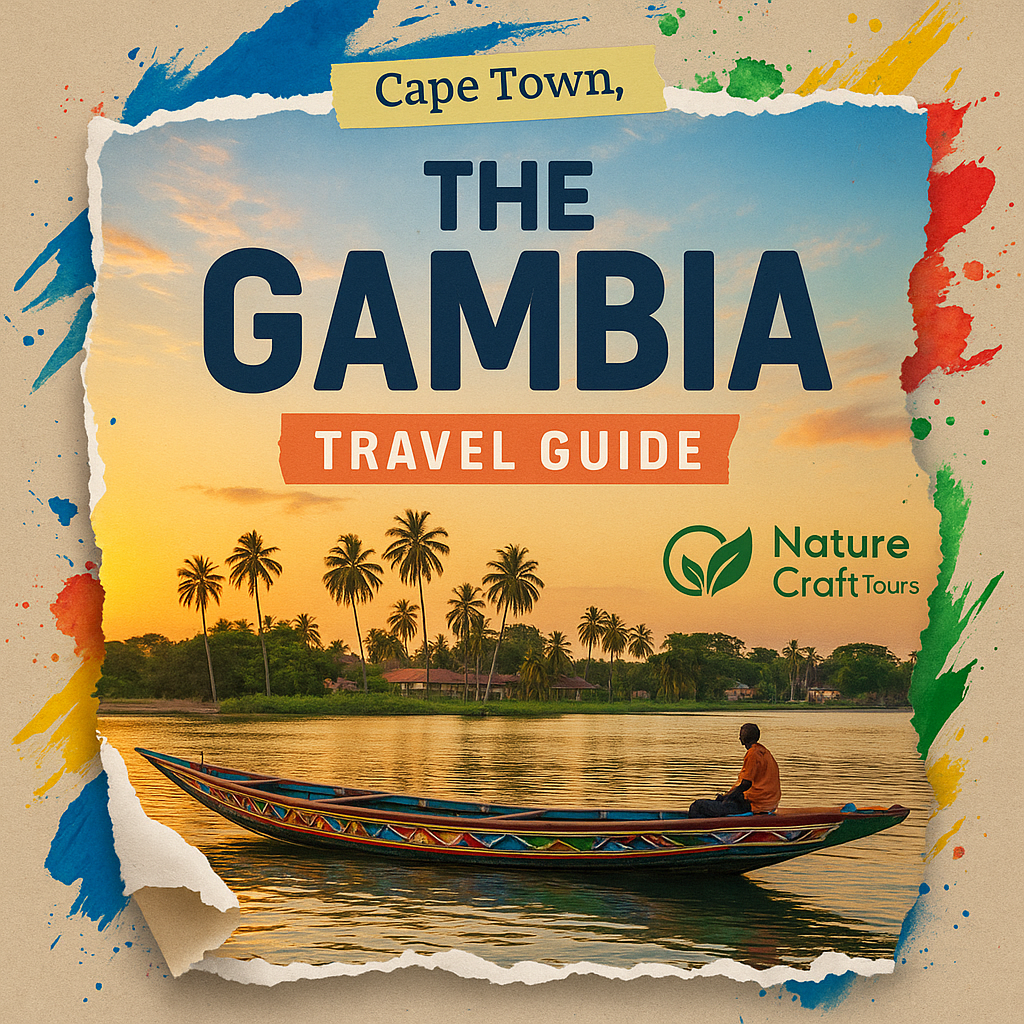
– A Detailed, Journey Handbook for Indian Travellers
Introduction to The Gambia
The Gambia, officially the Republic of The Gambia, is the smallest country on mainland Africa, yet it possesses one of the most captivating natural and cultural environments in West Africa. Enveloped almost entirely by Senegal, The Gambia stretches along the majestic Gambia River, offering travellers an intimate blend of tropical landscapes, vibrant wildlife, pristine beaches, ethnic diversity, and centuries of historical depth.
Understanding The Gambia: Geography & Cultural Overview
The country is situated along the Gambia River, extending inward from the Atlantic coast. Its topography includes wetlands, mangrove forests, savannah plains, and rural villages enriched with Mandinka, Fula, Wolof, Jola, and Serahule traditions.
The capital city, Banjul, and the urban coastal belt (Serrekunda, Bakau, Kololi) form the economic heart of the country, while the interior maintains a slower pace, rich in agriculture, birdlife, and cultural expressions.
Major Tourist Attractions in The Gambia
1. Banjul – The Historic Capital
Banjul stands at the edge of St. Mary’s Island and serves as the cultural and administrative centre of The Gambia. Its colonial architecture, serene streets, and historic institutions make it a fascinating starting point for travellers.
- Arch 22: A monumental gateway commemorating Gambia’s political transition, offering panoramic rooftop views.
- Albert Market: A lively trading hub filled with local crafts, textiles, spices, fruits, and handcrafted artefacts.
- National Museum: A concise yet insightful exhibition on Gambian traditions, history, and musical heritage.
2. Serrekunda – The Largest Urban Centre
Serrekunda is the country’s most populated city and a lively blend of Gambian culture, markets, nightlife, and artisanal workshops.
- Serrekunda Market: A vibrant maze of stalls selling everything from fabric to local artwork.
- Kotu Beach: A favourite waterfront known for scenic sunsets, food stalls, and soft sandy stretches.
3. Bakau – Nature, Culture & Coastal Beauty
Bakau is a coastal gem where natural attractions meet community life.
- Kachikally Crocodile Pool: A sacred site believed to possess spiritual significance; home to friendly crocodiles.
- Bakau Fish Market: A lively market capturing the essence of Gambian seaside life.
- Cape Point Beach: Renowned for hotels, cafés, and a peaceful seaside ambience.
4. Kololi – Tourism Heartland
Kololi is famous among travellers for its relaxed beachfront lifestyle, music venues, shopping arcades, and culinary experiences.
- Senegambia Strip: Entertainment district filled with cafés, restaurants, and cultural displays.
- Kololi Beach: Ideal for sunbathing, coastal walks, and dolphin-spotting cruises.
5. Gambia River National Park – Natural Wilderness
Situated in the country’s interior, this national park is home to islands along the Gambia River that house rich biodiversity.
- Chimpanzee Rehabilitation Project: Dedicated conservation centre protecting rehabilitated chimpanzees.
- River Islands: Sheltering hippos, monkeys, exotic birds, and varied flora.
6. Makasutu Culture Forest – A Cultural-Ecological Haven
This private protected cultural forest spans over 1,000 hectares along the tributaries of the Gambia River.
- Mangrove Boat Trips: Traditional canoe rides through serene waterways.
- Cultural Performances: Local drumming, storytelling, and tribal dance showcases.
- Wildlife Observation: Monkeys, birds, and occasional antelopes.
7. Juffureh & Kunta Kinteh Island (UNESCO)
One of the country’s most historically significant locations, this site is deeply connected with the Atlantic slave trade.
- Kunta Kinteh Island: A UNESCO World Heritage Site preserving remnants of the slave trade era.
- Juffureh Village: Known globally through Alex Haley’s literary masterpiece “Roots.”
8. Tanji – Traditional Fishing Village
Tanji is a vibrant fishing settlement famous for its bustling harbour and colourful boats.
- Tanji Fish Market: A dynamic site showcasing traditional fishing culture.
- Tanji Bird Reserve: Home to diverse coastal bird species and tranquil lagoons.
9. River Gambia Expeditions
The river itself is a major attraction offering dramatic landscapes, birdwatching, hippo sightings, and cultural immersion through river cruises.
Important Distances Between Major Locations
- Banjul to Serrekunda: ≈ 14 km
- Banjul to Bakau: ≈ 12 km
- Banjul to Kololi: ≈ 18 km
- Banjul to Tanji: ≈ 30 km
- Banjul to Juffureh: ≈ 50 km
- Banjul to Gambia River National Park: ≈ 300 km
How to Reach The Gambia from India
Reaching from Kolkata
Travellers from Kolkata (Netaji Subhas Chandra Bose International Airport) can reach The Gambia via connecting flights through key international hubs:
- Kolkata → Doha → Banjul
- Kolkata → Casablanca → Banjul
- Kolkata → Dubai → Banjul
- Kolkata → Paris → Banjul
Travel duration usually ranges from 17 to 27 hours depending on connection times.
Reaching from Delhi
Delhi (Indira Gandhi International Airport) has more extensive international connectivity. Recommended routes include:
- Delhi → Doha → Banjul
- Delhi → Paris → Banjul
- Delhi → Casablanca → Banjul
Main International Airport
- Banjul International Airport (Yundum International)
Visa Guide for Indian Travellers
Visa Requirements
Indian travellers require a visa to enter The Gambia. In many cases, visas can be applied for on arrival, but it is strongly recommended to contact the embassy beforehand for updated rules.
Documents Required
- Valid passport (minimum 6 months validity)
- Completed visa application form
- Passport-size photographs
- Confirmed hotel booking
- Return air ticket
- Proof of funds
- Yellow Fever vaccination certificate
Embassy Address for Visa Application (New Delhi)
Honorary Consulate / Embassy Liaison for The Gambia
Vasant Vihar Area,
New Delhi – India
Travellers are advised to verify the latest operational timings and processing details before visiting.
Visa on Arrival Facility
Subject to eligibility, travellers may receive their visa on arrival at Banjul International Airport upon presenting:
- Travel itinerary
- Accommodation details
- Return ticket
- Documentary proof of purpose of travel
Local Transportation within The Gambia
1. Taxis
Widely available across urban and tourist-friendly areas. Travellers should negotiate fares before boarding.
2. Minibuses & Shared Vans
Used by locals for intercity movement. While inexpensive, they can be crowded during peak hours.
3. Private Car Rentals
Ideal for travellers planning to explore remote or rural areas.
4. River Cruises
Boat travel is essential for exploring islands, mangroves, wildlife zones, and river-based heritage sites.
Accommodation Options in The Gambia
Banjul & Surrounding Areas
- Seafront resorts with premium amenities
- City boutique hotels
- Budget-friendly lodges
Bakau
- Beachside hotels
- Nature-oriented retreats
Kololi
- Tourist-focused resorts
- Mid-range hotels near Senegambia Strip
Serrekunda
- Convenient business hotels
- Comfortable guesthouses
Rural & Riverside Stays
- Eco-lodges near wildlife reserves
- Small community-run accommodations
Gambian Cuisine
Gambian food is a delightful blend of West African flavours, featuring dishes rich in peanuts, seafood, rice, and local vegetables.
- Domoda: A peanut-based stew with meat or fish.
- Benachin: Rice cooked with vegetables and fish or meat.
- Yassa: Marinated chicken or fish with mustard and lemon.
- Afra: Grilled street-style meat served with spices.
Travel Etiquette & Safety Tips
Cultural Etiquette
- Greetings hold great importance in Gambian culture.
- Modest clothing is appreciated in rural or traditional communities.
- Always ask before taking photographs of locals.
Safety Guidelines
- Avoid isolated beaches late at night.
- Keep valuables secure in locked bags.
- Stay updated with local advisories.
Best Time to Visit The Gambia
The ideal time to visit is during the dry season from November to May.
- November–May: Pleasant climate, ideal for wildlife viewing and beach-related activities.
- June–October: Rainy season with lush landscapes but increased humidity.
Suggested 7-Day Itinerary
Day 1 – Arrival at Banjul
Explore Arch 22 and Albert Market.
Day 2 – Bakau & Cape Point
Visit Kachikally Crocodile Pool and enjoy the beach.
Day 3 – Kololi
Experience nightlife, beaches, and cultural shows.
Day 4 – Juffureh & Kunta Kinteh Island
UNESCO heritage exploration.
Day 5 – Tanji
Traditional fishing village tour.
Day 6 – Makasutu Culture Forest
Eco-cultural immersion and boat rides.
Day 7 – Gambia River National Park
Wildlife viewing and river cruise.
Conclusion
The Gambia offers a remarkable combination of cultural warmth, picturesque beaches, wildlife encounters, and immersive river journeys. Despite its modest size, the country’s depth of heritage and natural beauty appeals to travellers seeking an enriching African experience. With careful planning, updated visa preparation, and well-selected flight routes from Kolkata or Delhi, travellers can embark on a memorable journey through this peaceful and vibrant nation.