Lepchajagat – A Misty Himalayan Retreat on the Darjeeling Ridge
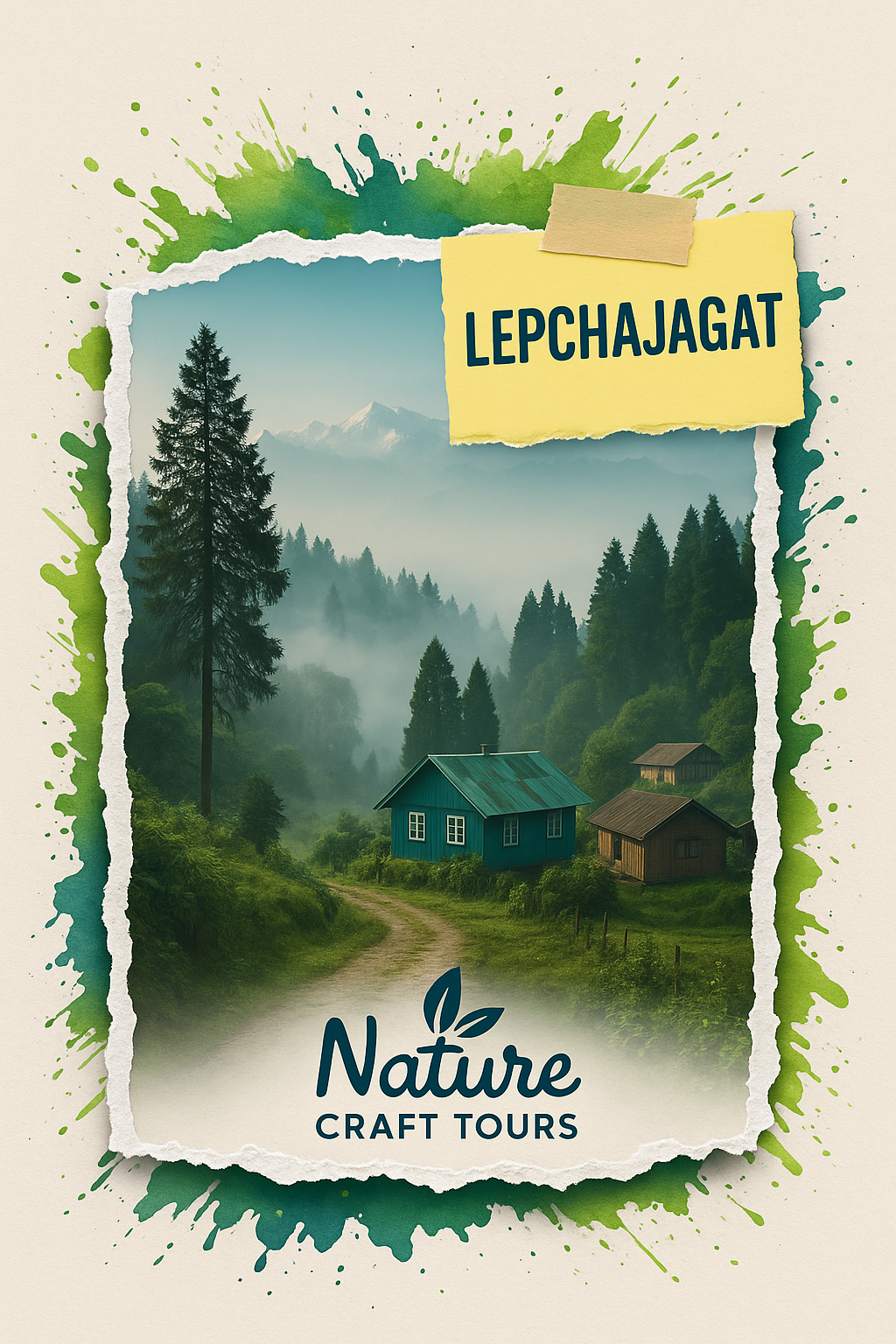
Tucked away at an altitude of nearly 6,900 feet on the tranquil slopes of the Darjeeling Himalayas, Lepchajagat is a serene forest village wrapped in dense pine, fir, and rhododendron woodlands. Facing the mighty Kanchenjunga range and overlooking deep blue valleys, this quiet hamlet is an ideal destination for travellers seeking seclusion, scenic beauty, and an intimate connection with nature.
Located approximately 15–18 kilometres from Darjeeling, Lepchajagat lies on the Ghoom–Sukiapokhari road and falls under the jurisdiction of the Forest Department. The word “Lepchajagat” originates from the indigenous Lepcha tribe, who believe the region to be blessed by the spirits of the mountains and forests. The term “Jagat” means “world” — together translating to “The World of the Lepchas.”
The village is known for its ethereal mist-laden environment, uninterrupted mountain views, rich Himalayan biodiversity, and soulful silence. Over the past decade, Lepchajagat has evolved into a major offbeat destination — perfect for couples, families, photographers, birdwatchers, and anyone desiring to escape the crowds of Darjeeling.
Introduction to Lepchajagat – A Forest Village Surrounded by Himalayan Mystique
Lepchajagat is situated within a protected forest area dominated by coniferous vegetation. The cool climate, high altitude, and dense greenery create an atmosphere reminiscent of classic Himalayan wilderness. Towering pine trees, moss-covered trails, and the distant echo of hill birds give the village an almost fairy-tale charm.
The place offers a rare combination of:
- Forest tranquillity
- Unobstructed views of Mt. Kanchenjunga
- Romantic walking trails
- Rich flora and fauna
- Proximity to Darjeeling’s major attractions
- Rain-washed, misty landscapes
The entire region promotes eco-friendly tourism, encouraging sustainable practices, conservation of forest species, and minimal human intrusion. Wooden cottages, forest bungalows, and homestays blend seamlessly into the natural surroundings, enhancing the wilderness experience.
Major Attractions and Things to See in Lepchajagat
The Kanchenjunga Viewpoint
One of the biggest highlights of Lepchajagat is its spectacular view of Mt. Kanchenjunga. The viewpoint, located at a short walk from the village, opens up a wide landscape of the entire Himalayan range. During sunrise, the snowy peaks glow in shades of gold and amber, creating a surreal visual delight for photographers.
On clear winter mornings, the view stretches beyond the Mahalangur range, revealing distant Himalayan silhouettes that seem suspended in the sky.
Gumbadara Viewpoint
Gumbadara is a scenic cliffside viewpoint situated around 1.5 km from Lepchajagat. Offering uninterrupted vistas of the valleys and the snow-covered peaks, this spot is ideal for panoramic photography and quiet contemplation.
The viewpoint also has ancient caves, believed to have been used centuries ago by wandering monks. The short hike to Gumbadara passes through dense pine forests, providing an immersive nature experience.
Walk through Pine and Rhododendron Forests
Lepchajagat is surrounded by thick pine, fir, oak, and rhododendron forests. The forest trails are ideal for leisure walks, birdwatching tours, and nature photography. During spring (March–April), the rhododendrons bloom in vibrant reds and pinks, giving the entire landscape a magical charm.
The forest is also home to rare species such as:
- Kalij pheasant
- Himalayan woodpecker
- Green-backed tit
- Flycatchers and sunbirds
- Hill partridge
The calm silence of the woods, broken only by distant bird calls and the sound of leaves rustling in the wind, makes these walks deeply rejuvenating.
Ghoom – The Highest Railway Station in India
Located around 10–12 km away, Ghoom is famous for its UNESCO–listed Darjeeling Himalayan Railway (DHR), also known as the Toy Train. Travellers staying at Lepchajagat often visit Ghoom to experience the heritage railway, the War Memorial, and the century-old Ghoom Monastery.
Sukiapokhari Lake
A serene and lesser-known lake located around 4–5 km from Lepchajagat, Sukiapokhari Lake is surrounded by forests and rolling hills. The still water reflects the sky and nearby foliage, creating a peaceful setting ideal for relaxation and photography.
Nearby Destinations from Lepchajagat
- Jorepokhri – A tranquil lake with panoramic views (Approx. 5–6 km)
- Mirik – A charming lakeside town (Approx. 28–30 km)
- Darjeeling Town – Himalayan heritage attractions (Approx. 15–18 km)
- Tiger Hill – Famous for dramatic sunrise (Approx. 20–22 km)
- Batasia Loop – Historic railway loop (Approx. 12–14 km)
- Manebhanjan – Starting point of Sandakphu trek (Approx. 10–11 km)
Major Distances from Lepchajagat
| Location | Distance | Approx. Travel Time |
|---|---|---|
| Darjeeling Town | 15–18 km | 40–50 minutes |
| Ghoom | 10–12 km | 25–35 minutes |
| Jorepokhri | 5–6 km | 15–20 minutes |
| Sukiapokhari | 4–5 km | 10–15 minutes |
| Manebhanjan | 10–11 km | 25–30 minutes |
| Mirik | 28–30 km | 1.5 hours |
| NJP Railway Station | 65–70 km | 2.5–3 hours |
| Bagdogra Airport | 70–75 km | 3–3.5 hours |
How to Reach Lepchajagat
By Air
The nearest airport is Bagdogra Airport, located about 70–75 km from Lepchajagat. From Bagdogra, travellers can hire a private cab or reserve a vehicle through local tour operators to reach the village. The route generally follows the Siliguri–Mirik or Siliguri–Sonada–Ghoom stretch.
By Rail
The closest major railway station is New Jalpaiguri (NJP), around 65–70 km away. From NJP, visitors can board shared jeeps up to Ghoom or Sukiapokhari, followed by a short car ride to Lepchajagat.
By Road
Lepchajagat is accessible through multiple scenic routes:
- Siliguri – Mirik – Lepchajagat – A picturesque drive through tea gardens
- Siliguri – Sonada – Ghoom – Lepchajagat – Common route for travellers visiting Darjeeling
- Darjeeling – Ghoom – Sukiapokhari – Lepchajagat – A short and pleasant hill drive
The roads are generally well-maintained, though fog during winter and monsoon months may reduce visibility.
Local Transportation Options
Lepchajagat is a compact and walkable village, with most viewpoints and trails accessible on foot. For travelling to nearby destinations, visitors can hire:
- Local cabs from Sukiapokhari
- Reserved vehicles from Darjeeling or Ghoom
- Tourist cabs for day trips to Mirik, Jorepokhri, or Manebhanjan
Public transport options are limited due to the village’s forest-based zoning, making private vehicles more convenient.
Accommodation Options in Lepchajagat
Lepchajagat offers a variety of forest-based stays ranging from homestays to cottages and eco-lodges. Accommodations are typically wooden, cosy, and designed to provide warmth and comfort in the chilly climate.
Common features across most stays include:
- Warm, well-insulated rooms
- Wooden interiors
- Himalayan or forest views
- Local home-cooked meals
- Solar-powered lighting in some properties
- Dedicated patios or sit-out decks
- Bonfire arrangements (seasonal)
Types of Accommodation Available
- Homestays – Operated by local families, offering authentic Himalayan hospitality
- Forest Bungalows – Basic and nature-oriented stays inside the forest zone
- Premium Cottages – Scenic properties with upgraded amenities
- Eco-Lodges – Environmentally conscious structures with natural materials
Food served at most properties includes traditional Nepali meals, lentils, rice, chicken curry, vegetable dishes, Tibetan specialties, and organic teas sourced from local farms.
Best Time to Visit Lepchajagat
Each season in Lepchajagat offers a distinct charm. However, accessibility and visibility vary depending on weather conditions.
Spring (March–May)
Spring is a beautiful season with blooming rhododendrons, moderate temperatures, and clear mountain views. Perfect for nature and bird lovers.
Autumn (September–November)
Widely considered the best time to visit, autumn brings crystal-clear skies, pleasant days, cold nights, and extraordinary visibility of the Kanchenjunga range.
Winter (December–February)
Winter in Lepchajagat can be cold, with temperatures sometimes falling below zero. However, the views are breathtaking, and the surroundings feel deeply peaceful. Snowfall is rare but possible in extreme conditions.
Monsoon (June–August)
The region receives heavy rainfall, making the forest come alive with lush greenery. However, fog and slippery roads may limit movement. Suitable for travellers who enjoy solitude and misty landscapes.
Activities to Enjoy in Lepchajagat
- Photography of peaks and pine forests
- Birdwatching walks in the early morning
- Forest hikes towards Gumbadara cliffs
- Exploring nearby lakes and monasteries
- Village tours and local cultural experiences
- Camping-style bonfires in winter (where allowed)
- Heritage train ride from Ghoom
- Short day trips to Darjeeling, Jorepokhri, or Mirik
Travel Tips for Lepchajagat
- Carry warm clothing throughout the year
- Wear proper trekking shoes for forest trails
- Mobile network may fluctuate; prepare for limited connectivity
- Fog is common — be cautious while driving
- Respect forest rules; avoid loud music and plastic waste
- Book accommodations early during peak seasons
- Stay within designated walking paths during evenings
Conclusion
Lepchajagat stands as a serene sanctuary in the Darjeeling Himalayas — a place where mist floats through forests, mountains appear like painted backdrops, and nature dominates every moment. Its quiet trails, panoramic viewpoints, fragrant pine woods, and untouched beauty make it one of the most enchanting offbeat destinations in North Bengal.
Whether you are seeking solitude, romance, photography opportunities, or a peaceful nature retreat, Lepchajagat promises an unforgettable experience rooted in Himalayan purity and natural splendour.