Mousuni Island
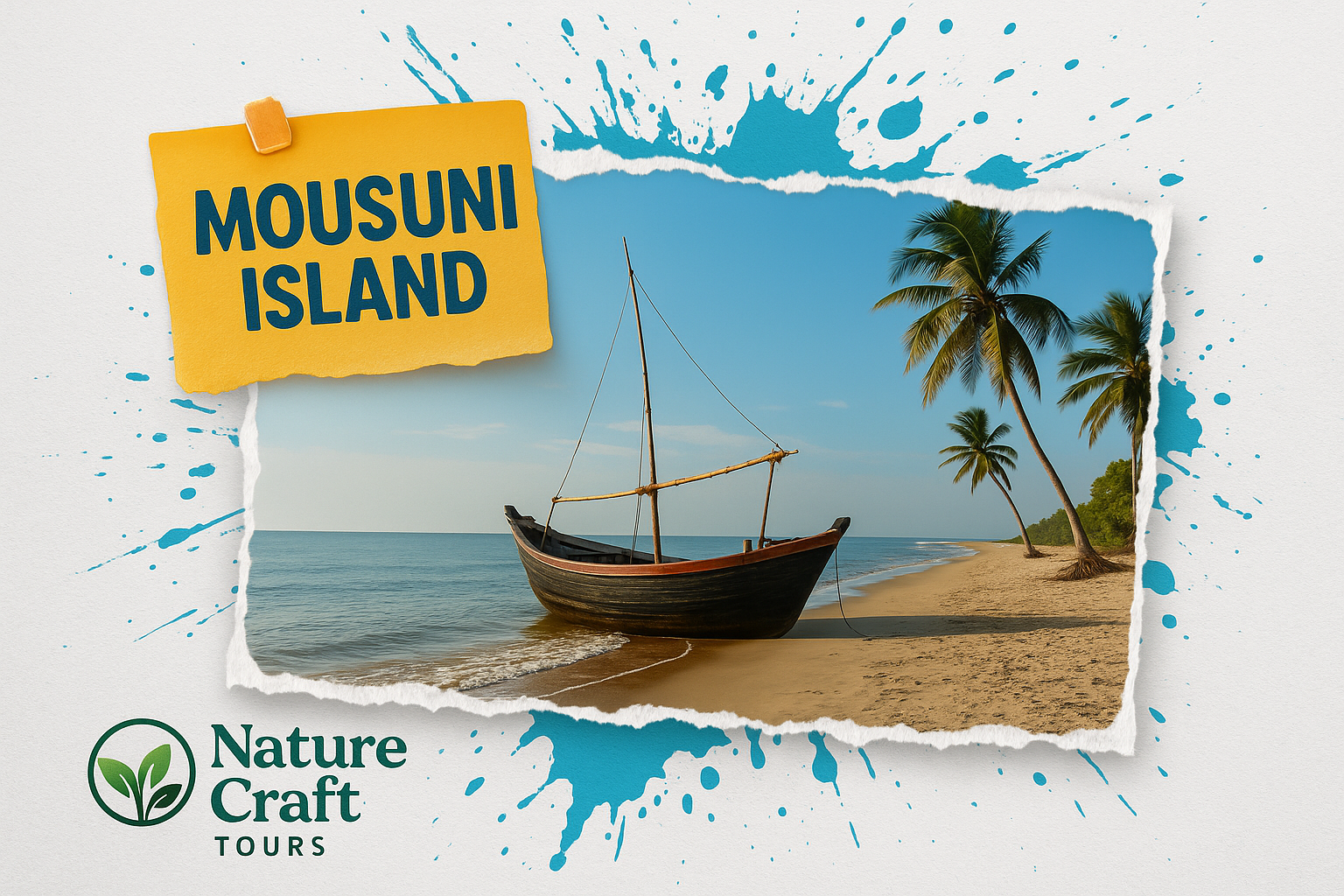
– A Complete, Travel Guide to Bengal’s Emerging Eco-Beach Destination
Mousuni Island is one of the most pristine and rapidly emerging eco-tourism destinations in West Bengal. Located near the Sunderban deltaic zone, this beautiful island represents the fascinating confluence of the Bay of Bengal, riverine estuaries, mangrove vegetation, golden beaches, and rural fishing settlements. Its untouched nature, sustainable tourism model, and peaceful coastal ambience have made it a favourite among travellers who seek a quiet beach retreat far from the crowds of Digha, Mandarmani, or Bakkhali.
This comprehensive guide explores Mousuni Island from a highly descriptive, research-based perspective—covering major sightseeing spots, travel routes, distances, stay options, local lifestyle, and the best seasons to visit. The content is crafted to be formal, richly detailed, and fully optimized for travellers seeking reliable planning insight.
Geographical Setting and Ecological Importance
Mousuni Island lies in the southernmost part of Bengal, where the mighty Hooghly River flows into the Bay of Bengal. Geographically, the island forms a part of the extended Sunderban deltaic belt and exhibits several typical delta characteristics—mudflats, mangrove patches, tidal inlets, saline creeks, and alluvial plains.
Its strategic location near the open sea ensures dramatic coastal landscapes, frequent tidal changes, and a unique blend of marine and estuarine ecosystems. The island has a fragile ecological balance and plays a critical role in supporting local biodiversity, sustaining fish populations, and protecting mainland areas from coastal erosion. These ecological factors make Mousuni Island a significant site for eco-tourism and environmental studies.
History and Cultural Context
The island’s cultural identity is deeply rooted in the life of fishermen, honey collectors, and agricultural communities who have lived here for generations. Their livelihoods depend largely on fishing, crab collection, poultry farming, small-scale vegetable cultivation, and seasonal tourism activities.
Traditional cottages made of mud, bamboo, and thatched roofs reflect the simplicity and sustainability of rural Bengal. Festivals such as Rash Purnima, local boat pujas, and monsoon thanksgiving rituals are celebrated with vibrant folk music and dance. The island thus offers travellers not only natural beauty but also a genuine cultural immersion into Bengal’s coastal life.
Key Attractions and Important Places to See
1. Mousuni Sea Beach (Bagdanga Beach)
The main highlight of Mousuni Island is its long, golden shoreline—still uncommercialized and minimally crowded. The natural beachscape features soft sand, gentle sea waves, Casuarina trees swaying along the coastline, and herds of grazing buffaloes that create an authentic rural-coastal charm.
Sunrise and sunset at the beach are breathtaking; the vast horizon glows in shades of orange, pink, and crimson as fishermen cast their nets into the shimmering waves. Unlike other beaches in Bengal, this one retains its raw, untouched beauty.
2. Scenic Mudflats and Estuaries
The tidal mudflats surrounding the island are fascinating geographical formations created by centuries of silt deposition. During low tide, the exposed mudland reveals migratory birds, crabs, shells, and unique patterns created by flowing water. These mudflats serve as important feeding grounds for coastal birds.
3. Fishing Villages and Rural Life
A walk through the local villages provides deep insight into the cultural and economic life of the island. These settlements are dotted with fishing nets drying in the sun, thatched huts, small ponds, coconut groves, and bamboo fences. Village women often carry freshly caught fish in handwoven baskets, while men repair boats or sort fishing gear.
4. Birdwatching Zones
The island is ideal for bird enthusiasts. Winter brings migratory species such as sandpipers, plovers, terns, herons, and egrets. The quiet environment of Mousuni Island allows travellers to observe birds from very close quarters, especially during low tide.
5. Tidal Creeks and Boat Rides
Small boats are available to explore tidal backwaters, narrow creeks, and mangrove-covered inlets. These rides offer a peaceful and deeply immersive experience, revealing the island’s natural rhythms and marine biodiversity.
6. Stargazing and Night Ambience
Because of limited light pollution, Mousuni Island offers spectacular stargazing conditions. On clear nights, the sky becomes a canvas of shimmering stars, with the sound of the sea providing a rhythmic background. This serene night atmosphere is one of the island’s greatest appeals.
Major Distances from Key Locations
Some important travel distances for itinerary planning:
- Kolkata to Mousuni Island – approx. 120–125 km
- Diamond Harbour to Mousuni Island ferry point – approx. 60 km
- Bakkhali to Mousuni Island – approx. 45 km by land + ferry
- Sagar Island (Ganga Sagar) – approx. 35–40 km by water channel
- Kakdwip to Ferry Point – approx. 10–12 km
These distances vary slightly depending on the route selected and local ferry operations.
How to Reach Mousuni Island
By Road + Ferry
The most popular way to reach Mousuni Island is by combining road transport with a short ferry journey. Travellers generally follow the route:
- Kolkata → Diamond Harbour Road → Namkhana
- Namkhana Ferry Ghat → Boat transfer across the channel
- Local e-rickshaw or van → Mousuni Beach Camps
This route is comfortable, scenic, and suitable for all types of travellers.
By Local Trains
Local trains run from Sealdah to Namkhana. From Namkhana station, travellers need to take an auto to the ferry point and then cross over to reach the island area before heading to their designated camp.
By Private Car
Private cars can be driven up to the Namkhana point. Parking options are available before crossing the ferry. The remaining journey to Mousuni Island involves short, scenic stretches of inland pathways.
Staying Options (Properties) on Mousuni Island
Staying options on the island follow a sustainable model. Travellers can choose from beach camps, eco-huts, or nature lodges. No hotel contact numbers are mentioned as per your instructions.
1. Beach Tents & Sea-Facing Camps
The signature accommodation style of Mousuni Island is its beachfront tents. These tents often include bamboo flooring, comfortable bedding, soft lighting, and direct access to the shoreline. They are ideal for travellers seeking adventure mixed with tranquillity.
2. Eco-Huts & Nature Lodges
Eco-huts made of bamboo, mud, and thatch blend beautifully with the landscape. These cottages offer a rustic yet comfortable stay for families, couples, and senior travellers looking for peaceful surroundings.
3. Village Homestays
Some local families host guests in simple homestays, providing authentic Bengali food, village walks, and interactive cultural experiences. These stays create opportunities for responsible tourism that benefits local communities.
Best Time to Visit Mousuni Island
Winter (November to February)
This is the most popular tourist season. The weather remains cool and pleasant, perfect for beach walks, stargazing, and outdoor relaxation.
Spring (February to April)
The island takes on warm, golden tones. Sea breeze keeps the mornings and evenings pleasant. Photography conditions are excellent.
Monsoon (June to September)
Monsoon transforms the island into a lush green landscape. However, heavy rains and strong tidal currents can occasionally affect ferry timings. Travellers must check weather conditions before arrival.
Summer (May to June)
Summer is relatively warm, but if one prefers silence and minimal crowds, early mornings and late evenings still provide beautiful beachfront experiences.
Top Activities & Experiences at Mousuni Island
1. Beach Camping
Sleeping under the open sky, listening to the rhythmic sound of waves, and watching the stars create a perfect escape from city chaos.
2. Sunrise & Sunset Photography
Both dawn and dusk transform the island into a palette of golden colours. Professional photographers often visit Mousuni Island for seascape photography.
3. Seafood & Local Cuisine
Fresh fish, crabs, and prawns are cooked in traditional village style. Meals typically include rice, dal, vegetable curries, chutneys, and homemade desserts.
4. Walking Trails Across Villages
Walking along the narrow earthen paths allows travellers to witness rural Bengal at its purest—mud houses, palm trees, cattle sheds, and small ponds filled with lotus.
5. Boat Rides Through Tidal Creeks
Exploring mangrove channels and quiet backwaters gives a glimpse of the ecological richness of the region.
6. Birdwatching
During winters, clusters of migratory birds gather near the mudflats, making the island an excellent location for soft birdwatching.
Travel Tips for Visitors
- Carry essentials like torch, power bank, mosquito repellent, and light woollens in winter.
- Respect the ecology by avoiding plastic waste and keeping beaches clean.
- Do not venture into the water during high tide or rough conditions.
- The island has limited electricity; travellers should be prepared for eco-friendly conditions.
- Solar lighting is common in camps—power-heavy devices may not always charge quickly.
- Footwear suitable for sand and mudflat walking is recommended.
Conclusion
Mousuni Island represents a rare combination of serene beaches, rustic village life, eco-friendly stays, birdwatching opportunities, and untouched natural beauty. It is perfect for travellers seeking peace, solitude, slow travel, and authentic coastal experiences. Whether you prefer camping under the stars, photographing golden sunsets, or simply enjoying the raw charm of Bengal’s coastline, Mousuni Island promises an unforgettable journey.