Junput
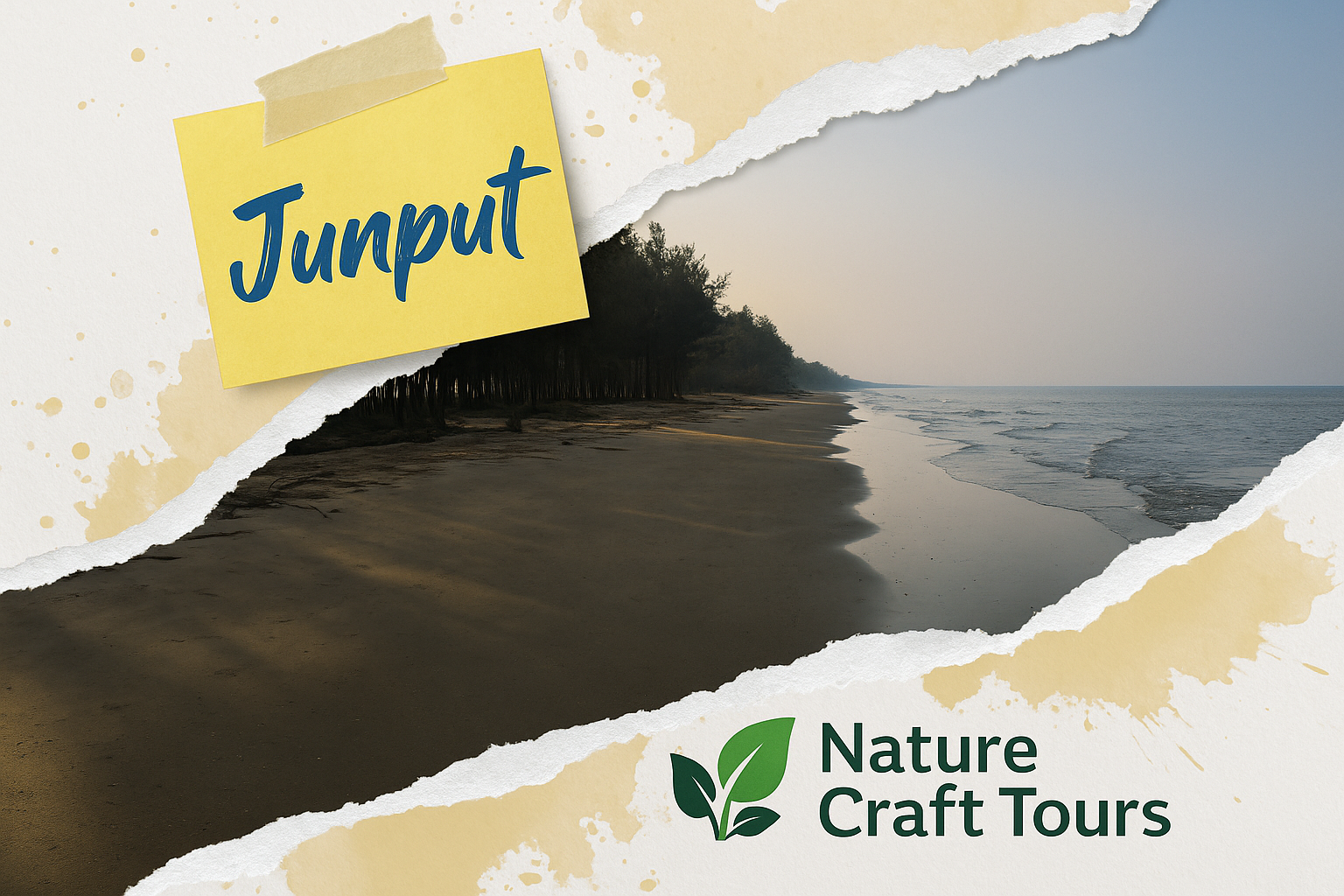
– Bengal’s Hidden Coastal Gem Wrapped in Tranquillity and Nature
Junput, nestled along the Bay of Bengal in East Midnapore, is one of West Bengal’s most peaceful and lesser-known seaside retreats. Unspoiled by commercial development and wrapped in acres of casuarina forests, sun-kissed shorelines, and pristine stretches of calm water, Junput is an ideal destination for travellers seeking solace, nature, and experiential coastal charm. Unlike crowded beaches, Junput unfolds like a quiet poem—soft waves brushing the shore, fishing boats anchored along the horizon, gentle sea breezes whispering through pine trees, and the delicate scent of saltwater drifting over the long, empty sands.
Overview of Junput
Junput lies approximately 40 km from Digha and around 10 km from Contai (Kanthi). The destination remains relatively untouched, preserving the essence of a quiet fishing hamlet fused with scenic coastal landscapes. Its long beach is characterised by compact sand ideal for walking, while vast stretches of casuarina and jhau forests provide natural shade and beauty.
The region is also known for marine studies, brackish water fish cultivation, and the historical Vivekananda Mission Aquaculture Research Centre located near the beach. For nature watchers, Junput serves as an excellent point to observe coastal birds, mudflats, and tidal patterns of the Bay of Bengal.
Historical Background of Junput
Historically, Junput gained significance during the mid-20th century when it was proposed as a future marine biological research hub. Though large-scale projects did not fully materialise, research institutions in aquaculture and marine biology still remain. Early surveyors praised Junput’s calm coastal environment, which made it ideal for studying tidal patterns, marine organisms, and coastal vegetation.
The region’s rustic lifestyle — rooted in fishing, agriculture, and coconut cultivation — remains largely unchanged. Even today, one can witness traditional boat-building activities, fishing net repairs, and coastal farming practices that have existed here for generations.
Major Distances and Travel Mapping
- Kolkata to Junput: Approximately 150–160 km
- Digha to Junput: 40–42 km
- Mandarmani to Junput: 25–28 km
- Tajpur to Junput: 20–22 km
- Contai (Kanthi) to Junput: 10–12 km
- Shankarpur to Junput: 20–25 km
The coastline between Digha and Junput forms a unique geographical belt featuring virgin beaches, mudflats, shrimp farms, and rural settlements. Junput lies at the quieter end of this belt, making it a perfect escape for travellers seeking privacy and nature.
Places to See in and Around Junput
Junput Beach
Junput Beach is serene, clean, and remarkably quiet. The compact sand makes it pleasant for long walks, and during low tide, vast stretches of the seabed become visible. The rhythmic movement of small waves creates a continuous meditative ambiance. The silence of the beach, accompanied by the soft sound of wind passing through casuarina forests, forms the signature identity of Junput.
Unlike typical beaches, Junput has a rustic maritime charm—fishing boats anchored along the shoreline, ropes tied to wooden stakes, and fishermen mending nets during early mornings. The beach is especially picturesque at sunrise when the sky glows with soft pink and golden hues reflected across the mirror-like tidal pools.
Casuarina Forest Belt
The casuarina and jhau tree forest surrounding Junput is a major highlight. These tall, slender trees sway beautifully in the coastal wind and create a natural canopy perfect for walking, meditation, picnics, and photography. The forest belt also acts as a natural barrier protecting the coastline from erosion.
During the afternoon hours, when sunlight filters through the trees, the entire area glows with a soft greenish-golden tint, offering a magical ambiance to nature lovers.
Brackish Water Fish Cultivation Centre
Junput is known for pioneering research and development in brackish water fish cultivation in West Bengal. Large water bodies and controlled aquaculture systems around the region provide a glance into the scientific and rural fish-production ecosystem. Though these centres primarily function as research domains, the surrounding landscape is visually appealing with its wide water stretches, embankments, and coastal vegetation.
Jahaz Bari (Ship House)
A well-known architectural attraction in Junput is Jahaz Bari — a structure that resembles the shape of a traditional boat. Located near the beachfront area, Jahaz Bari offers an interesting backdrop for photography and stands as a symbol of the region’s maritime heritage.
Nearby Attractions (Short Trips)
Digha
West Bengal’s most popular seaside town, known for its wide beach, science centre, aquarium, and numerous tourist activities, is only an hour’s drive from Junput.
Tajpur
A serene beach destination famous for its moon-shaped coastal curve, adventure sports, and casuarina forests.
Shankarpur
Known for its fishing harbour and scenic ambiance, Shankarpur offers boat photography and seafood delicacies.
Mandarmani
A drive-in beach destination ideal for long coastal drives, water sports, and staying in beach resorts.
Baguran Jalpai
A rising offbeat destination known for red crabs, wide beaches, and peaceful coastal landscapes.
Petuaghat
A major fishing harbour on the Rasulpur River estuary, offering glimpses into large-scale fishing, boat markets, and lively wharfs.
How to Reach Junput
By Road
Road travel is the most convenient way to reach Junput. Travellers from Kolkata generally follow the route via Kolaghat and Nandakumar before entering the Contai region. The roads are well-maintained, making the journey pleasant and scenic.
Common route from Kolkata:
Kolkata → Dhulagori Tollgate → Kolaghat → Nandakumar → Contai (Kanthi) → Junput
The journey takes approximately 4–5 hours depending on traffic.
By Train
Regular trains run from Howrah to Contai (Kanthi). From Contai station, local transport options like autos and hired vehicles are available for the remaining 10–12 km to Junput. This is an economical and comfortable option for many travellers.
By Bus
Direct buses operate from Esplanade (Kolkata) to Contai and Digha. From Contai, travellers can take local vehicles to reach Junput. This is a practical option for budget travellers.
Staying Options in Junput
Junput offers a variety of accommodation types despite being a quiet destination. The options include government-run tourist lodges, private hotels, eco-stays, and homestay-style accommodations. While hotel names are mentioned below (without sharing contact numbers), these provide a clear idea of available lodging categories.
Beachside Resorts
These properties are located close to the beach, offering easy access to the shoreline and forest areas. Many rooms feature balconies, open lawns, and sea-facing sections. The ambiance is peaceful, making them suitable for families and couples.
Eco-Cottages and Nature Retreats
Eco-friendly cottages are available amidst casuarina forests and coastal greenery. Wooden décor, rural themes, and close proximity to the sea make these properties ideal for nature lovers searching for a rustic experience.
Private Hotels Near Contai–Junput Road
Several mid-range hotels are located along the connecting road. These offer comfortable rooms, essential amenities, and quick access to both Contai town and Junput beach.
Homestay-Style Accommodations
Locally run homestays in and around Junput provide simple yet warm hospitality. Home-cooked meals, fresh seafood, and personal attention make these stays ideal for immersive travellers.
Local Cuisine and Food Experience
Junput’s food culture mirrors the flavours of coastal Bengal—fresh fish, crab, prawn, and traditional Bengali curries. Many stays offer meals prepared with locally sourced ingredients cooked in mustard oil, coconut milk, and authentic spices.
Vegetarian meals are also widely available, featuring rice, dal, mixed vegetables, posto dishes, and seasonal produce. Due to limited commercialisation, street food options are few, preserving the region’s calm, non-touristy atmosphere.
Best Time to Visit Junput
The ideal time to visit Junput is during the **winter months (November to February)** when the weather is cool, breezy, and suitable for exploring beaches, forests, and nearby attractions. During this time, the landscape is lush, the skies are clear, and the sea behaves gently.
Summer months (March to June) bring higher temperatures but are manageable for early morning and late afternoon beach visits. Monsoon (July to September) transforms the region into a dramatic scenic stretch with lush vegetation, though beach walking becomes restricted due to tides and moisture.
Things to Do in Junput
- Walk along the silent, uninterrupted beach.
- Enjoy sunrise and sunset photography across vast tidal stretches.
- Experience the charm of casuarina forests and nature trails.
- Explore nearby destinations like Tajpur, Mandarmani, and Digha.
- Visit aquaculture research areas for educational insights.
- Observe fishing activities and boat movements at nearby jetties.
- Relax in secluded, pollution-free surroundings ideal for meditation.
Travel Tips for Junput
Safety and Tidal Awareness
The sea around Junput can have unpredictable tidal behaviour. Travellers should avoid venturing deep into the water and adhere to local safety guidance.
Local Transport
Since Junput has limited public transport, it is advisable to hire a private car or arrange local vehicles from Contai for smooth travel.
Responsible Tourism
Junput’s ecosystem is fragile. Avoid littering, plastic waste, or disturbing forest areas. Responsible tourism helps preserve its natural beauty.
Conclusion
Junput is one of West Bengal’s most underrated coastal treasures — a place where nature, silence, and simplicity converge. Its wide beach, casuarina forests, rustic fishing culture, and proximity to other coastal attractions make it a perfect retreat for travellers seeking an authentic, peaceful seaside experience. Whether you wish to unwind in serene surroundings, explore nature trails, or simply escape city life, Junput offers a rejuvenating coastal sanctuary that remains etched in memory long after the journey ends.