Bargarh – A Comprehensive Travel Guide to Western Odisha’s Cultural Heartland
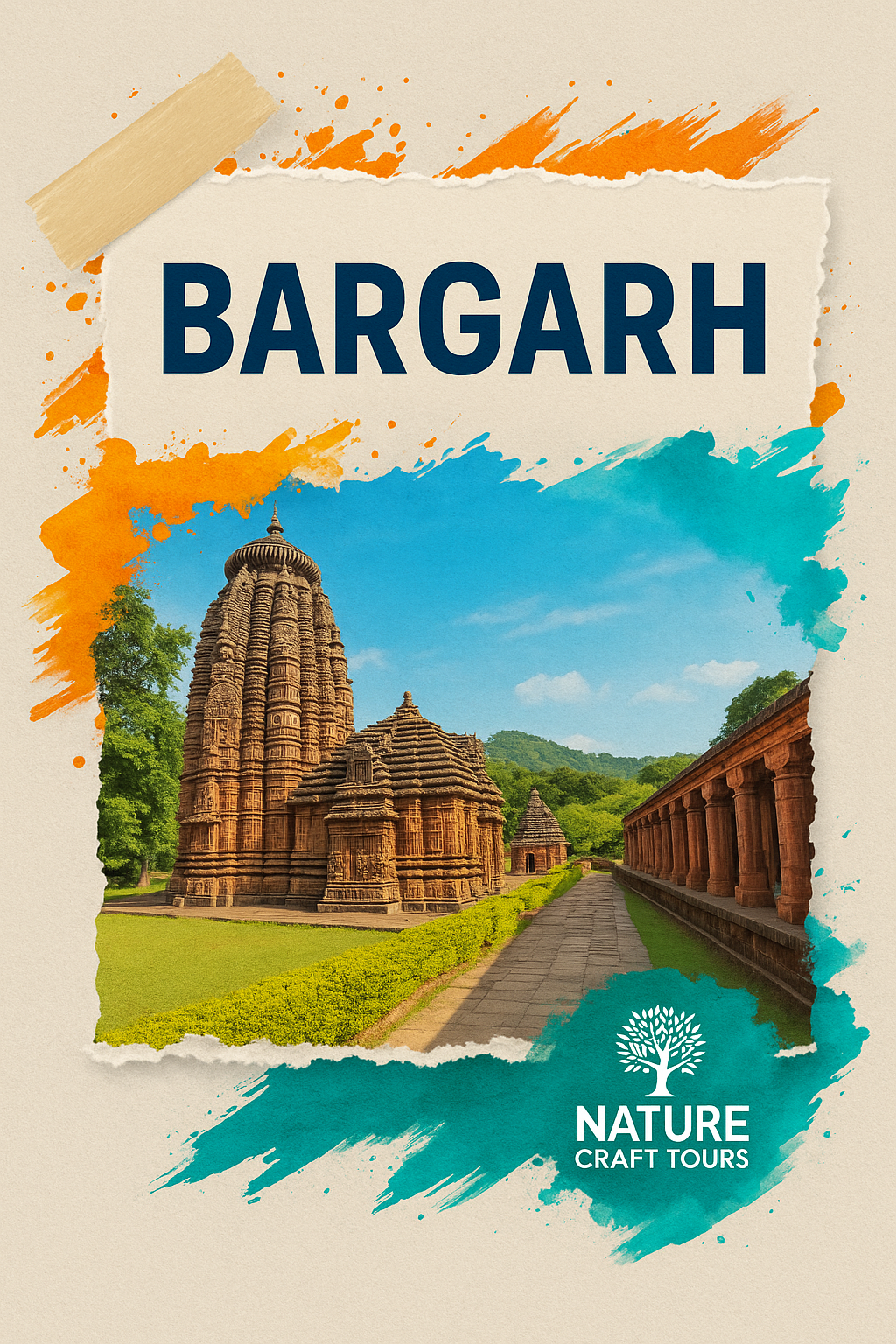
Bargarh, located in the western corridor of Odisha, is a district known for its remarkable blend of culture, history, agriculture, natural beauty, and ancient traditions that continue to flourish with undiminished splendour. Often called the Rice Bowl of Odisha, Bargarh is a land of vibrant festivals, lush green fields, age-old temples, dramatic landscapes, and an exceptional heritage that attracts travellers, researchers, cultural historians, and nature lovers alike.
Geographical Overview of Bargarh
Bargarh district lies on the western frontier of Odisha, sharing boundaries with Sambalpur in the east, Balangir in the south, Subarnapur in the southeast, and the Chhattisgarh state border to the west. The region forms part of the vast Mahanadi alluvial plains. Fertile soil combined with extensive irrigation from the Hirakud Canal system contributes to the district’s reputation as one of the largest paddy-producing zones in Odisha.
The geographical landscape varies from lush farmlands to forested uplands and river valleys. The majestic Gandhamardan Hills, situated near the district’s southern stretch, enhance the ecological and cultural significance of the region.
Historical and Cultural Significance
Bargarh has a long-standing cultural lineage deeply rooted in the traditions of Western Odisha. The region has served as a thriving centre for folk arts, crafts, and classical heritage. Its ancient temples, archaeological remnants, and folk performances reveal the influence of diverse dynasties, including the Chauhan rulers of Sambalpur.
The district is globally famous for the Dhanu Yatra, the world’s largest open-air theatre festival, transforming the entire town of Bargarh into the mythological city of Mathura. This grand festival symbolizes the community’s collective cultural expression, bringing together theatre, music, dance, and local artistry in a spectacular manner.
Major Attractions in Bargarh
Bargarh offers a wide spectrum of attractions—from mythological sites and scenic natural spots to lively cultural zones. The following are the district’s most notable destinations.
1. Debrigarh Wildlife Sanctuary
Situated near the Hirakud Reservoir, Debrigarh Wildlife Sanctuary is one of the most important protected forests of Western Odisha. Rich in biodiversity, the sanctuary hosts a wide variety of species such as leopards, bison, sambar deer, spotted deer, four-horned antelope, porcupines, wild boars, and a diverse bird population.
The combination of dry deciduous forests, rolling hills, and the expansive backwaters of Hirakud Lake creates breathtaking scenery. For wildlife photographers and ecological researchers, Debrigarh is an exceptional field site offering unspoiled wilderness and a serene environment.
2. Nrusinghanath Temple
Located near Paikmal on the northern slope of the Gandhamardan Hills, Nrusinghanath Temple is an ancient pilgrimage site dedicated to Lord Nrusingha, an incarnation of Vishnu. The temple, believed to be nearly a thousand years old, is surrounded by dense forests, springs, and tranquil natural surroundings.
Numerous mythological references and stone inscriptions highlight the temple’s historical depth. The surrounding terrain is ideal for nature walks, photography, and spiritual immersion.
3. Gandhamardan Hills
The Gandhamardan mountain range holds immense ecological, cultural, and mythological value. It is believed to be a portion of the herb-bearing mountain brought by Lord Hanuman during the Ramayana. Today, the hills are revered for their biodiversity—especially their rich heritage of medicinal plants.
Trekking routes across the hills, including the trail connecting Nrusinghanath on the northern side and Harishankar in neighbouring Balangir district, offer travellers a thrilling experience through thick forests, rocky cliffs, springs, and forest clearings.
4. Papanga Hill and Budharaja Temple
Papanga Hill is a scenic hill destination located near Bargarh town. Often called the “Mini Gandhamardan,” the hill offers sweeping views of the plains below. At the summit stands the Budharaja Temple dedicated to Lord Shiva. The trek to Papanga is moderate and suitable for adventure enthusiasts seeking a calm outdoor experience.
5. Dhanu Yatra Festival Ground
Every year, the streets and open spaces of Bargarh transform into a massive theatrical stage during the Dhanu Yatra festival. The entire town becomes “Mathura,” while the nearby village of Ambapali becomes “Gopapura.” This open-air theatrical festival, known for its grandeur and scale, draws thousands of visitors from India and abroad.
The live enactment of Krishna Leela, combined with elaborate costumes, folk music, dialogues, and public participation, makes this experience unforgettable.
6. Asta Shambhu Temples
Spread across Bargarh district, the Asta Shambhu refers to eight ancient Shiva temples: Bimaleswar, Kedarnath, Baidyanath, Dhabaleswar, Balunkeswar, Nilakantheswar, Swapneswar, and Mukhuteswar. These heritage temples offer deep insight into the spiritual and architectural lineage of the region.
7. Jharbandh and Paikmal Cultural Belt
These regions are known for strong tribal cultural traditions, folk dances, forested landscapes, local handicrafts, and distinctive rural festivals that highlight the region’s indigenous heritage. The unique lifestyle of the communities, interwoven with the forest environment, provides travellers with valuable anthropological insights.
Natural Attractions and Scenic Beauty
Bargarh offers unpolluted landscapes with a rich mix of rivers, forests, reservoirs, and farmland. Some of the natural features include:
- The vast Hirakud Reservoir extending across the eastern side
- Multiple forested hills and springs near Gandhamardan
- Open paddy fields and rural trails
- Scenic sunsets and birdwatching points along canal roads
The interplay of agriculture and natural topography creates a pleasing ambiance for travellers seeking both tranquillity and outdoor exploration.
Important Distances Around Bargarh
- Bargarh to Sambalpur: approx. 40 km
- Bargarh to Nrusinghanath: approx. 45 km
- Bargarh to Balangir: approx. 90 km
- Bargarh to Hirakud Dam: approx. 55 km
- Bargarh to Jharsuguda Airport: approx. 70 km
- Bargarh to Gandhamardan Hill (Paikmal region): approx. 65 km
How to Reach Bargarh
Bargarh is easily accessible through road, rail, and air connectivity, making it convenient for tourists from Odisha and adjoining states.
By Road
National Highway 53 runs directly through Bargarh, linking it to Sambalpur, Jharsuguda, Raipur, and Visakhapatnam. Regular buses, private taxis, and rental vehicles operate throughout the district, providing reliable transportation options.
By Rail
Bargarh Road Railway Station is connected to major cities through the East Coast Railway network. Frequent trains link Bargarh with Sambalpur, Jharsuguda, Rourkela, Bhubaneswar, and major junctions towards Chhattisgarh.
By Air
The nearest airport is in Jharsuguda, offering flight connectivity to major cities across India. From the airport, travellers can reach Bargarh by road within approximately 1.5 hours.
Staying Options in Bargarh
Bargarh offers comfortable staying options suitable for families, solo travellers, business visitors, and pilgrims. Various accommodations are available in:
- Bargarh town centre
- Near NH-53 corridor
- Paikmal–Nrusinghanath region
- Local eco-stay belts near natural attractions
These properties include lodges, standard hotels, government accommodations, and simple guesthouses offering clean rooms and essential services. Many stays also provide easy access to major attractions.
Best Time to Visit Bargarh
The most favourable time to explore Bargarh is between October and March, when the weather remains pleasant for sightseeing, trekking, and cultural exploration. Winter adds a refreshing coolness to the environment, making rural travel enjoyable.
If you want to witness the iconic Dhanu Yatra festival, visit around December–January when the entire region transforms into a live mythological stage.
Monsoon (July–September) brings lush greenery and vibrant rural scenery but is less suitable for hill treks due to slippery terrain.
Culture, Cuisine, and Local Lifestyle
Bargarh’s culture is a magnificent tapestry woven with folk traditions, tribal customs, devotional music, and age-old rituals. Popular cultural aspects include:
- Sambalpuri songs and dance forms
- Bandha tie-and-dye weaving traditions
- Traditional paika martial art performances
- Local festivals like Dhanu Yatra, Nuakhai, and Shivaratri
The cuisine is simple yet flavourful, with dishes made from rice, pulses, leafy vegetables, freshwater fish, and herbal ingredients sourced from nearby forests. Tribal communities add unique tastes through their traditional cooking techniques.
Travel Tips for Visitors
- Carry light cotton clothes during summer and warm layers during winter.
- Respect local customs, especially near temples and tribal villages.
- Always maintain cleanliness and avoid littering in natural and cultural sites.
- Hire local guides for hill treks, forest visits, and cultural tours.
- Carry adequate water, snacks, and basic medical supplies.
- Start early for hill treks to avoid afternoon heat.
Conclusion
Bargarh is a district that beautifully balances culture, nature, spirituality, and rural charm. Its unique blend of vibrant festivals, historic temples, wildlife sanctuaries, scenic hills, and traditional lifestyles makes it an extraordinary destination for travellers seeking authentic experiences. Whether you wish to explore ancient myths in the Dhanu Yatra, trek across the Gandhamardan Hills, study wildlife at Debrigarh, or simply enjoy the calm of Western Odisha’s countryside, Bargarh offers endless possibilities.
A journey through Bargarh is an enriching experience—one that leaves travellers with lasting memories of Odisha’s timeless heritage and the quiet magnificence of its western lands.