Benin Travel Guide
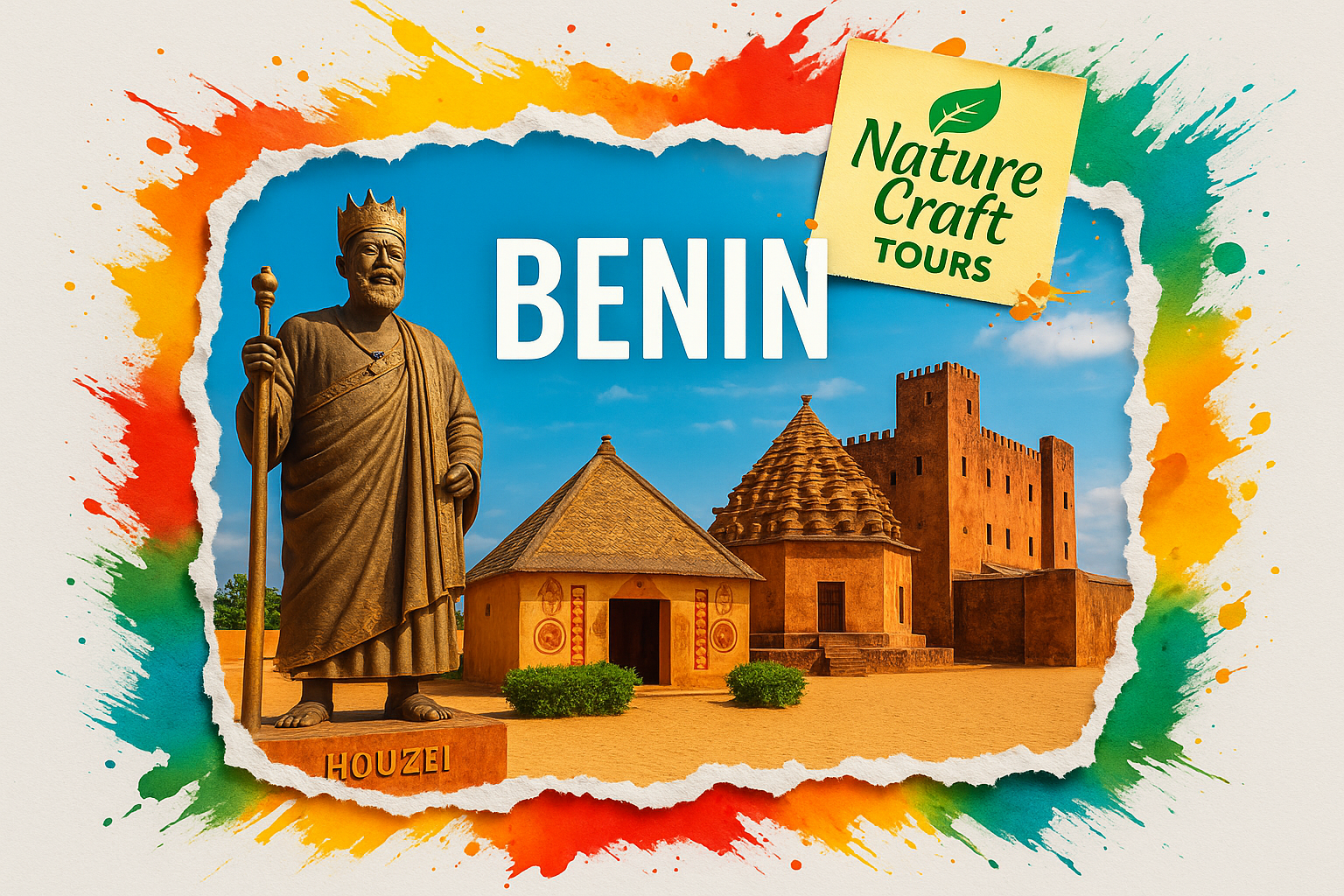
– A Comprehensive Journey Manual for Indian Travellers
Benin, a culturally rich West African nation, is renowned for its royal palaces, vibrant markets, pristine coastal towns, and deep spiritual traditions linked to the origins of Vodun (Voodoo). As the homeland of the ancient Dahomey Kingdom, Benin offers historical treasures such as the Royal Palaces of Abomey, UNESCO World Heritage Sites, and poignant landmarks like the Route of Slaves in Ouidah. Its cities—from lively Cotonou to serene Grand-Popo—reflect a harmonious blend of tradition and modernity. For travellers seeking heritage, nature, and cultural immersion, Benin presents an exceptional and powerful experience.
Overview of Benin
Benin is located in West Africa, bordered by Nigeria, Togo, Burkina Faso, and Niger, with a beautiful coastline along the Gulf of Guinea. Known for its friendly communities, colourful ceremonies, and strong artistic traditions, Benin is a gateway to understanding African kingdoms, slave-trade history, and sacred temples rooted in centuries-old indigenous beliefs.
Cotonou is the country’s economic centre and the primary entry point for international travellers. Porto-Novo, the official capital, is a quieter city with colonial architecture, museums, and cultural academies. Inland regions offer lush landscapes, while the northern savannahs host unique wildlife and tribal cultures.
Major Tourist Attractions in Benin
1. Cotonou – Economic Hub & Cultural Crossroads
Cotonou is vibrant, energetic, and welcoming. It mingles contemporary life with traditional West African culture.
- Fidjrossè Beach: A scenic coastline with calm waves and golden sand.
- Dantokpa Market: One of West Africa’s largest open-air markets offering textiles, beads, spices, and handicrafts.
- Zinsou Foundation Museum: A cultural space displaying contemporary African art.
Distance: Cotonou International Airport to city centre – approx. 5–7 km.
2. Ouidah – History, Spirituality & Heritage
Ouidah is an atmospheric and historically significant coastal town associated with the Atlantic slave trade and the origins of Vodun spirituality.
- Route of Slaves: A symbolic 4 km historical trail used during the slave-trade era.
- Door of No Return: A solemn monument on the beach commemorating enslaved Africans.
- Python Temple: A cultural and spiritual centre of Vodun worship.
- Ouidah Museum of History: Located in a Portuguese fort with exhibits on trade and culture.
Distance: Cotonou to Ouidah – approx. 40 km.
3. Abomey – Royal Palaces of the Dahomey Kingdom
Abomey is home to one of Africa’s most important UNESCO World Heritage Sites: the Royal Palaces of the Dahomey Kingdom (1625–1900). These palaces are adorned with bas-reliefs and royal symbols representing the kingdom’s unique artistic identity.
- Historic throne rooms
- Ancient artefacts and ceremonial objects
- Royal tombs and symbolic courtyards
Distance: Cotonou to Abomey – approx. 135 km.
4. Porto-Novo – The Official Capital
Porto-Novo is a charming city known for its museums, colonial buildings, and blending of African and Portuguese heritage.
- Ethnographic Museum: Exhibits on Benin’s cultures and rituals.
- Honmè Museum: Former royal residence of King Toffa.
- Adjacent gardens and cultural academies
Distance: Cotonou to Porto-Novo – approx. 35 km.
5. Ganvié – The Venice of Africa
Ganvié is a unique lake village on Lake Nokoué, consisting of stilt houses and water-based life. It is one of Africa’s largest floating communities.
- Boat tours around stilt homes
- Floating markets
- Cultural immersion into Toffinou traditions
Distance: Cotonou to Ganvié pier – approx. 20 km.
6. Grand-Popo – Tranquillity & Coastal Beauty
Grand-Popo is known for its calm beaches, fishing communities, and mangrove-lined rivers.
- Idyllic beachfronts
- Boat rides on the Mono River
- Traditional music & dance ceremonies
Distance: Cotonou to Grand-Popo – approx. 80 km.
7. Natitingou – Gateway to Northern Adventures
Natitingou lies in the hilly Atakora region and provides access to cultural villages and nature reserves.
- Local museums
- Traditional Tata Somba houses
Distance: Cotonou to Natitingou – approx. 600 km.
8. Pendjari National Park – Wildlife Paradise
Pendjari National Park is one of West Africa’s finest wildlife reserves.
- Elephants
- Lions
- Buffalos
- Hippopotamus
- Diverse birdlife
Distance: Cotonou to Pendjari – approx. 680–720 km.
How to Reach Benin from India
There are no direct flights between India and Benin. Travel is routed through major Middle Eastern or African hubs, arriving in Cotonou (COO), the main international airport.
From Kolkata
- Kolkata → Doha → Cotonou (Qatar Airways + connecting carrier)
- Kolkata → Dubai → Cotonou (Emirates + partner airline)
- Kolkata → Addis Ababa → Cotonou (IndiGo/Air India + Ethiopian Airlines)
- Kolkata → Nairobi → Cotonou (Kenya Airways)
Total travel time: approx. 15–25 hours depending on layovers.
From Delhi
- Delhi → Doha → Cotonou
- Delhi → Dubai → Cotonou
- Delhi → Addis Ababa → Cotonou
- Delhi → Nairobi → Cotonou
Total travel time: approx. 13–22 hours.
Benin Visa Guide for Indian Travellers
Indian travellers need a visa to enter Benin. The country offers the convenience of an e-Visa system. Alternatively, applicants may apply through the Embassy of Benin in New Delhi.
Visa Types
- Single-entry Tourist Visa
- Multiple-entry Visa
- Business Visa
Documents Required
- Passport valid for at least 6 months
- Completed visa application or e-Visa form
- Recent passport photographs
- Flight reservations
- Hotel booking confirmation
- Travel insurance
- Proof of financial capability
Embassy of Benin in India
Embassy of the Republic of Benin, New Delhi
Address: B-4/26, Safdarjung Enclave, New Delhi – 110029
Visa Processing Time
- E-Visa: 2–5 working days
- Embassy visa: 7–10 working days
Accommodation Options in Benin
Benin offers a variety of accommodation options suited to different budgets, especially in Cotonou, Ouidah, and Grand-Popo. As required, no contact numbers are mentioned.
1. Cotonou
- International-standard hotels
- Mid-range boutique properties
- Budget guesthouses
2. Ouidah
- Beachfront lodges
- Heritage stays
3. Grand-Popo
- Eco-friendly beach resorts
- Riverside lodges
4. Natitingou & Pendjari Region
- Safari lodges
- Nature camps
Best Time to Visit Benin
Benin experiences a tropical climate with humid and dry seasons.
- November to March: Best time to visit; dry, pleasant climate ideal for heritage exploration and wildlife viewing.
- April to June: Hot and humid; pre-monsoon rains begin.
- July to October: Rainy season; suitable mainly for cultural travel but less ideal for wildlife tours.
Internal Transportation & Key Distances
- Cotonou to Ouidah – approx. 40 km
- Cotonou to Porto-Novo – approx. 35 km
- Cotonou to Abomey – approx. 135 km
- Cotonou to Grand-Popo – approx. 80 km
- Cotonou to Natitingou – approx. 600 km
- Cotonou to Pendjari – approx. 680–720 km
Conclusion
Benin is a destination that beautifully blends history, spirituality, nature, and local culture. Whether exploring the vibrant city life of Cotonou, the haunting history of Ouidah, the royal grandeur of Abomey, or the wildlife-rich landscapes of Pendjari, travellers are welcomed with authenticity and warmth. For Indian travellers from Kolkata, Delhi, or other major cities, connecting flights through global hubs make Benin increasingly accessible. With proper planning and insights from this research-oriented guide, visitors can embark on an enriching, meaningful, and unforgettable journey into one of West Africa’s most culturally significant nations.