Bhitarkanika National Park
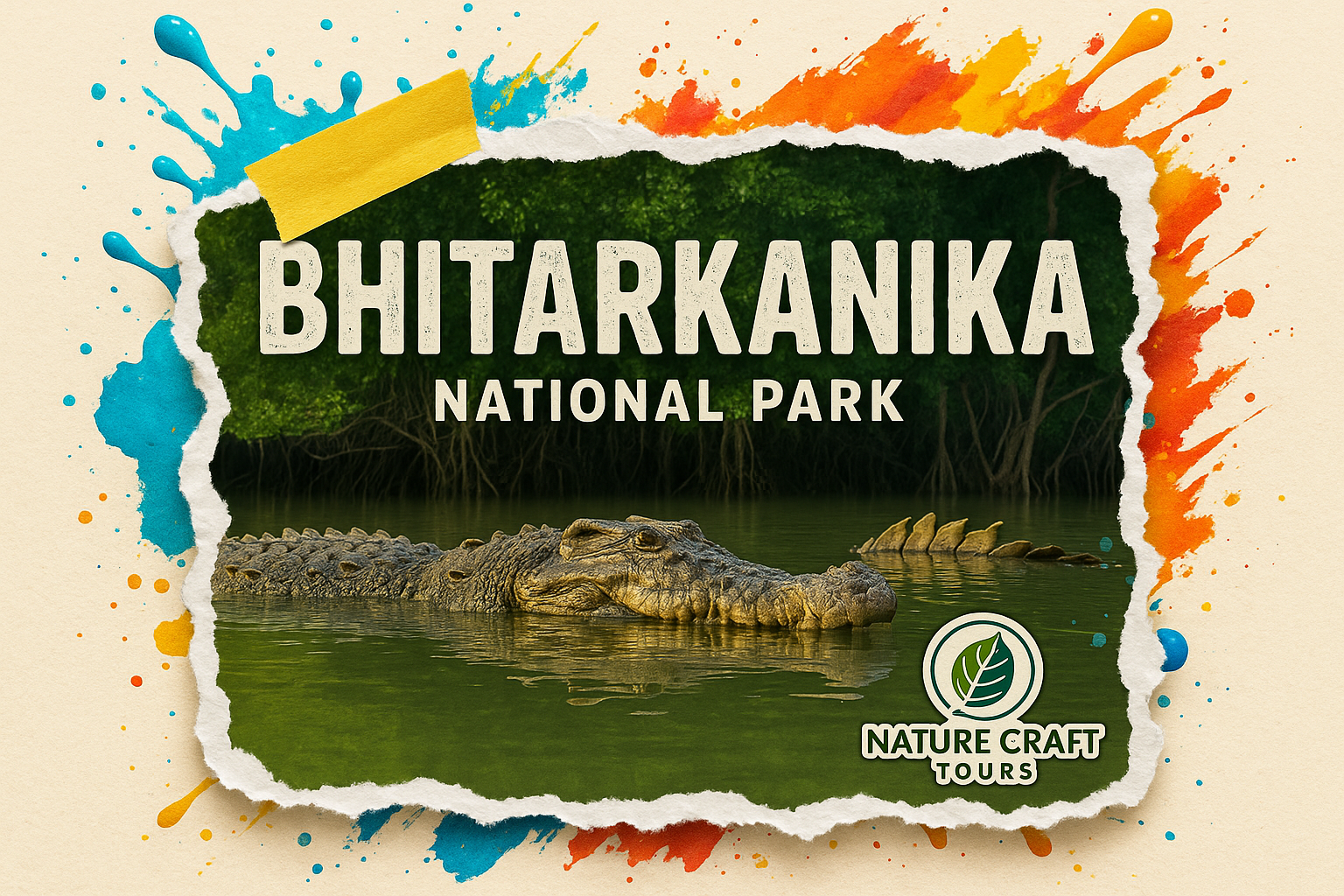
– India’s Crocodile Kingdom and the Emerald Mangrove Wilderness of Odisha
Bhitarkanika National Park, located in the Kendrapara district of Odisha, is one of India’s most extraordinary wetland ecosystems and the second largest mangrove forest in the country after Sundarbans. Known globally as the “Crocodile Kingdom of India,” this magnificent protected region is home to the world’s largest population of saltwater crocodiles, some growing over 20 feet in length. Dense mangrove canopies, winding tidal creeks, mudflats, estuarine rivers, sandy beaches, and thousands of migratory birds create a spellbinding natural environment that feels untouched, ancient, and deeply alive.
For wildlife enthusiasts, nature photographers, birdwatchers, and ecological researchers, Bhitarkanika offers a rare opportunity to witness one of India’s most biodiverse landscapes. Its tranquil waterways, remote villages, and rich historical remnants make it a destination where nature, culture, and conservation come together in perfect harmony.
Introduction to Bhitarkanika’s Ecological Importance
Bhitarkanika National Park covers over 672 square kilometres of protected area, including mangroves, rivers, estuaries, tidal marshes, and coastal forests. It forms the core region of the Bhitarkanika Wildlife Sanctuary and is nourished by the Brahmani, Baitarani, and Dhamra river systems. The confluence of freshwater and saline tidal waters supports a wide range of flora and fauna unique to this estuarine ecosystem.
Recognized as a **Ramsar Wetland Site**, Bhitarkanika is also famous for its remarkable role in coastal protection, climate regulation, and biodiversity conservation. The mangrove forests act as natural shields against cyclones, support marine life, and maintain ecological balance across the region.
Major Attractions and Points of Interest in Bhitarkanika
1. Saltwater Crocodiles – The Pride of Bhitarkanika
Bhitarkanika is world-famous for its population of saltwater crocodiles, scientifically known as Crocodylus porosus. These apex predators thrive in the region’s brackish rivers and creeks. Many crocodiles exceed 18–20 feet in length, making Bhitarkanika one of the few places in the world where such giants can be seen in the wild.
Boat safaris through the narrow creeks of Khola, Dangmal, and Kalibhanjadiya often provide thrilling sights of:
- Crocodiles basking on muddy riverbanks
- Young crocodiles gliding silently in shallow waters
- Massive adults partly submerged in creeks
Winter season offers the best sightings due to reduced water levels and crocodile basking behaviour.
2. Mangrove Forests – A Living Green Fortress
With over 60 species of mangroves, Bhitarkanika is a dense jungle of intertwined roots, tidal mudflats, and aerial-canopied pathways. These forests serve as breeding grounds for fish, crustaceans, and birds, while moderating local climate and preventing shoreline erosion.
Walking trails in Bhitarkanika reveal:
- Tall Rhizophora and Avicennia trees
- Breathing root systems called pneumatophores
- Rare plants and vibrant insect species
3. Birdwatching Paradise – Home to Migratory Wonders
The park becomes a sanctuary for over 170 bird species, especially during winter when migratory birds arrive from Central Asia, Siberia, and the Himalayan region.
The Bagagahana (Bird Sanctuary) area near Dangmal hosts thousands of nesting birds including:
- Asian openbill storks
- Darters
- Black ibis
- Grey herons
- Little cormorants
- Whistling teals
- Kingfishers
The sky becomes a symphony of wings, while forest floors echo with constant bird calls and fluttering sounds.
4. Boat Safari Through Tidal Creeks
A boat safari is the heart and soul of the Bhitarkanika experience. Boats glide through winding creeks enveloped by mangrove branches, creating natural tunnels. The water remains calm, reflecting trees like a mirror, adding to the mystical charm of the journey.
Popular routes include:
- Khola to Dangmal creek trail
- Dangmal to Kalibhanjadiya Island
- Patrapur creek network
Wildlife sightings during boat rides often include crocodiles, monitor lizards, king cobras, spotted deer, and diverse birdlife.
5. Dangmal Crocodile Interpretation Centre
Dangmal is the administrative and interpretative hub of Bhitarkanika. Visitors can explore the Crocodile Rearing Centre, which breeds and rehabilitates young crocodiles into the wild. Exhibits highlight:
- Evolution of crocodiles
- Role of mangroves in their survival
- Unique adaptations of saltwater crocodiles
6. Bagagahana – Heronry Haven
Bagagahana is one of the largest heronries in eastern India. During nesting season (monsoon and post-monsoon), thousands of birds flock here to build nests, hatch eggs, and rear chicks. The forest canopy becomes a cloud of white wings and rhythmic bird calls.
7. Olive Ridley Turtle Habitat (Gahirmatha Beach)
Located near the northern boundary of Bhitarkanika, Gahirmatha Marine Sanctuary is the world’s largest nesting site for Olive Ridley sea turtles. During the arribada nesting events (December to March), thousands of turtles come ashore simultaneously.
8. Kalibhanjadiya Island
A giant mudflat island rising mysteriously during low tide, Kalibhanjadiya offers a surreal experience. Visitors can walk across vast wetland expanses surrounded by birds, shells, and soft mud patterns created by tidal action.
9. Bhitarkanika Forest Trails
Several walking trails inside the core forest zone offer opportunities to encounter:
- Spotted deer
- Wild boars
- Monitor lizards
- Python species
- Giant fruit bats
The silence is deep, broken only by bird songs and forest movement.
Wildlife Diversity of Bhitarkanika
Bhitarkanika’s unique estuarine ecosystem supports an exceptional range of fauna and flora.
Mammals
- Spotted deer
- Wild boars
- Fishing cats
- Indian smooth-coated otters
- Jackals
Reptiles
- Saltwater crocodiles (dominant species)
- Monitor lizards
- Pythons
- King cobras
- Water snakes
Birds
- Openbill storks
- Brahminy kites
- Herons and egrets
- Darters and cormorants
- White-bellied sea eagles
Flora
Mangroves dominate Bhitarkanika’s botanical landscape. Major plant species include:
- Rhizophora mucronata
- Avicennia officinalis
- Sonneratia apetala
- Bruguiera cylindrica
- Nypa fruticans (palm variety)
Major Distances Around Bhitarkanika
- Bhubaneswar to Bhitarkanika: 170–190 km
- Kendrapara to Bhitarkanika: 70–75 km
- Khola Entry Gate to Dangmal: 25 km by boat
- Bhitarkanika to Gahirmatha: 50–60 km
How to Reach Bhitarkanika National Park
By Air
The nearest airport is Biju Patnaik International Airport in Bhubaneswar. From there, travellers must reach Khola or Gupti entry points by road.
By Rail
Nearest railway stations include:
- Cuttack Railway Station – major railhead with extensive connections
- Bhubaneswar Railway Station
- Kendrapara (proposed future connectivity)
By Road
Entry points to the national park:
- Khola Gate – primary boat entry point
- Gupti Entry – scenic river routes
- Jayanagar – alternate access
The route from Bhubaneswar/Cuttack passes through rural Odisha, offering glimpses of lush fields and village life.
By Boat
Boat travel is mandatory inside the core forest area. Boats navigate through tidal rivers and mangrove networks, creating the most immersive wildlife experience.
Accommodation Options Near Bhitarkanika
Staying options include:
- Forest rest houses inside the sanctuary (Dangmal, Ekakula region)
- Eco-cottages and nature camps at Gupti and Habalikhati
- Private lodges near Khola entry
- Guesthouses in nearby towns
Habalikhati Beach (accessible by forest routes) offers unique beachside cottages surrounded by complete wilderness and serene shoreline views.
Best Time to Visit Bhitarkanika National Park
Winter (November to February)
The most favourable season, with pleasant weather and excellent crocodile and bird sightings. Migratory birds arrive in large numbers during this period.
Post-Monsoon (September to October)
The forest appears lush, rivers are full, and bird activity increases. This is ideal for photography.
Summer (March to June)
Though hot, summer increases crocodile sighting opportunities due to their basking habits. Early mornings and evenings are recommended for safaris.
Suggested Itinerary for Bhitarkanika
2-Day Wildlife Journey
- Day 1: Arrival → Khola Gate → Boat Safari → Dangmal Forest Trail
- Day 2: Visit Bagagahana → Kalibhanjadiya → Departure
3-Day Exploration
- Day 1: Sunset boat ride → Crocodile watch
- Day 2: Bird sanctuary → Nature walk → Interpretation Centre
- Day 3: Gahirmatha Beach → Turtle habitat → Return
Responsible Tourism Tips
- Do not feed or disturb wildlife.
- Avoid plastic use inside the sanctuary.
- Follow all boating and forest department guidelines.
- Do not enter restricted zones.
- Respect local culture and support community-based tourism.
Conclusion – A Sanctuary of Nature’s Majesty
Bhitarkanika National Park is a realm where the natural world reigns supreme. With its ancient mangroves, giant crocodiles, rare birds, tranquil creeks, and raw wilderness, it offers a one-of-a-kind experience that is both humbling and awe-inspiring. The landscape reveals the timeless bond between river and sea, forest and wildlife, nature and human history. For travellers seeking the thrill of true wilderness and the beauty of untouched ecosystems, Bhitarkanika remains one of India’s most captivating and unmissable destinations.