Bhubaneswar Travel Guide – The Temple City of India
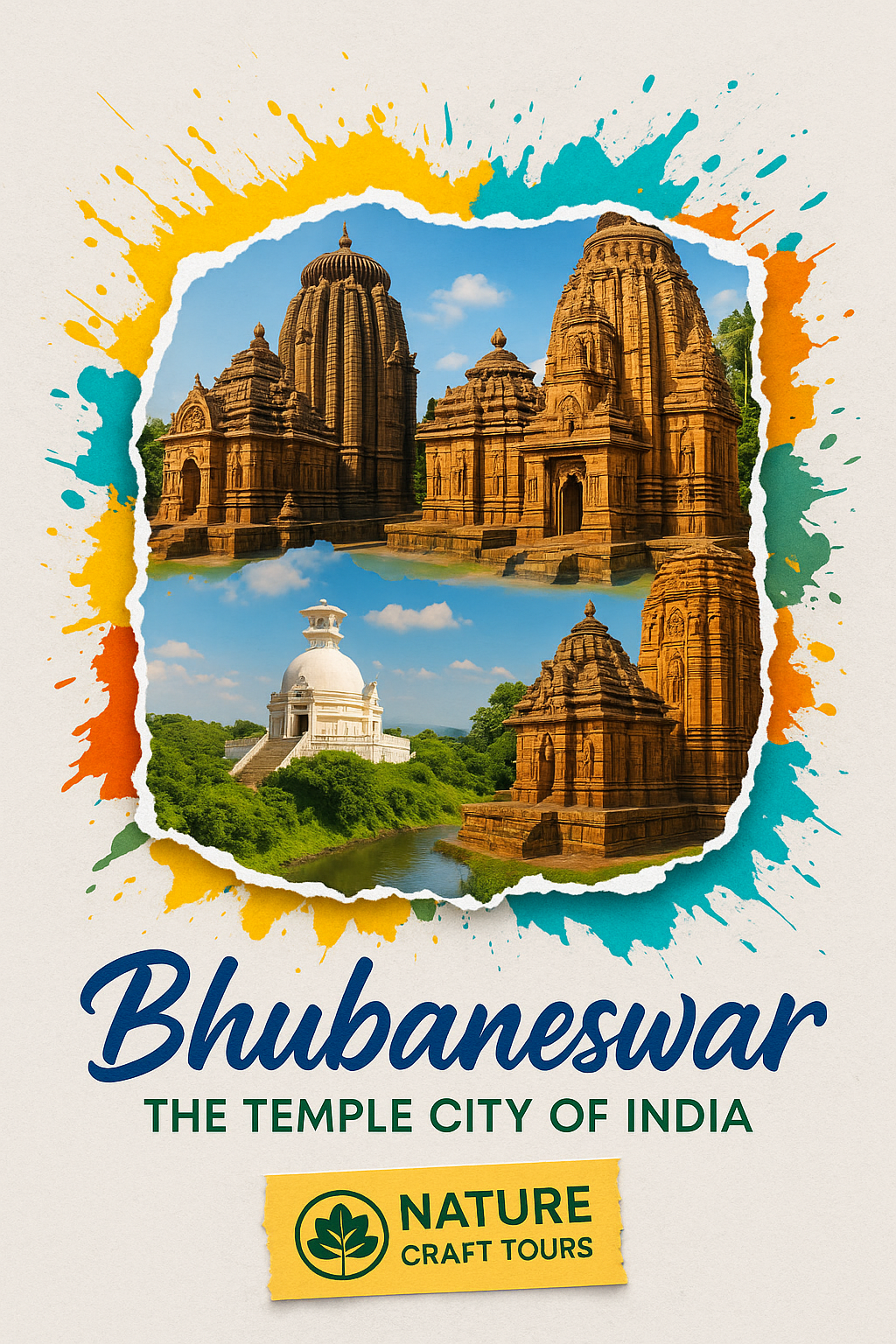
Bhubaneswar, the capital of Odisha, stands as one of the most ancient living cities in India. Often called the “Temple City”, it is renowned for its timeless architectural heritage, spiritual legacy, sacred ponds, serene sculptures, and flawless urban planning that blends antiquity with modern aspirations. The city forms a part of the famous Golden Triangle of Odisha
along with Puri and Konark, creating a prestigious cultural corridor that attracts millions of travelers from across the world.
The name Bhubaneswar is derived from “Tribhubaneshwar”, meaning the Lord of the Three Worlds. With more than 700 ancient temples once adorning its landscape, Bhubaneswar offers a mesmerizing journey through centuries of Kalinga-style architecture, vibrant urban life, historical treasures, natural sanctuaries, and a progressive culinary and shopping culture. This guide presents a deeply researched, highly descriptive exploration of Bhubaneswar—covering places to visit, distances, travel routes, staying options, and the best time to discover its ageless charm.
Overview of Bhubaneswar
Bhubaneswar is one of India’s earliest planned cities, developed under the guidance of the legendary architect Otto Königsberger in 1946. The city beautifully integrates administrative infrastructure, cultural sites, residential areas, green cover, and urban development. It also serves as a gateway to Eastern India’s heritage treasures, including tribal art, Buddhist sites, and coastal gems.
Located in the eastern coastal plains of Odisha, the city enjoys excellent connectivity through air, rail, and road networks. Bhubaneswar’s architecture represents various dynasties that ruled Kalinga—particularly the Eastern Ganga, Somavamsi, Shailodbhava, and Kesari dynasties. Each temple narrates a different era, style, belief, and craftsmanship tradition.
Major Attractions in Bhubaneswar
Below are the most important places to explore in and around Bhubaneswar, each known for its historical, architectural, natural, or cultural significance.
1. Lingaraj Temple
The architectural jewel of Bhubaneswar, Lingaraj Temple dates back to the 11th century and stands as one of the finest examples of Kalinga architecture. The massive 180-feet high spire dominates the skyline.Its detailed carvings, ancient rituals, and huge courtyard with shrines evoke deep spiritual essence. Non-Hindus may view the exterior and soak in its grandeur.
2. Mukteswara Temple
Often called the “Gem of Odisha Architecture”, Mukteswara Temple (10th century) is celebrated for its exquisite torana (arched gateway), intricate stone carvings, and peaceful ambience. Its influence on later temple architecture in Odisha is profound.
3. Rajarani Temple
Constructed with gorgeous red and gold sandstone known as Rajarani, this temple is known for its sculptural detailing of musicians, guardians, and celestial figures. Despite not housing a deity, the temple is a masterpiece of creative stone artistry.
4. Dhauli Shanti Stupa
Dhauli is the site where Emperor Ashoka embraced Buddhism after the Kalinga War. The Shanti Stupa (Peace Pagoda), built with the support of Japanese Buddhists, stands as a symbol of global harmony and peace. The panoramic view of the Daya River enhances its serene experience.
5. Udayagiri and Khandagiri Caves
These 2nd-century BCE rock-cut caves were carved during the reign of King Kharavela of the Mahameghavahana dynasty. Udayagiri, especially the famous Rani Gumpha, is admired for its relief panels depicting royal parades, hunting scenes, and devotional themes. These caves are significant for Jain heritage.
6. Nandankanan Zoological Park
Spread over 400 hectares, Nandankanan is India’s first zoo to join the World Association of Zoos and Aquariums. The White Tiger Safari, botanical reserve, reptile park, and lake ecosystem make it a wonderful wildlife escape.
7. Odisha State Museum
A treasure house of epigraphy, archaeology, coins, palm-leaf manuscripts, tribal art, and traditional instruments. It offers deep insights into Odisha’s layered cultural identity.
8. Ekamra Kanan Botanical Garden
A serene urban garden known for cactus collections, lakeside pathways, seasonal flower shows, and eco-friendly corners—ideal for nature lovers.
9. Tribal Museum
Also known as the Odisha State Tribal Museum, it showcases the vibrant heritage of Odisha’s 62 indigenous tribes. Handicrafts, costumes, tools, musical instruments, and traditional huts offer an immersive anthropological experience.
10. Khandagiri Hilltop Viewpoints
A beautiful spot for sunset and cityscape views. The breeze, stone steps, and natural caves create an atmosphere of adventure and serenity.
Important Distances from Bhubaneswar
- Bhubaneswar to Puri – 60 km
- Bhubaneswar to Konark – 65 km
- Bhubaneswar to Cuttack – 25 km
- Bhubaneswar to Chilika Lake (Satapada) – 100 km
- Bhubaneswar to Gopalpur – 170 km
- Bhubaneswar to Berhampur – 170 km
- Bhubaneswar to Raghurajpur – 55 km
These short distances make Bhubaneswar a strategic base for exploring Odisha’s cultural triangle.
How to Reach Bhubaneswar
By Air
Biju Patnaik International Airport connects Bhubaneswar with major Indian cities such as Delhi, Mumbai, Kolkata, Bengaluru, Hyderabad, Chennai, and others. There are also seasonal international connections. The airport is located conveniently near the city center.
By Rail
Bhubaneswar Railway Station is a major junction under East Coast Railway. Frequent trains connect to Kolkata, Delhi, Mumbai, Chennai, Hyderabad, Bangalore, Pune, and other metros. Khurda Road Junction nearby is another important rail base.
By Road
National Highways NH16, NH203, and NH316 connect Bhubaneswar to Kolkata, Visakhapatnam, Puri, Cuttack, and Konark.
Luxurious buses, private vehicles, and taxis operate widely on these routes.
Staying Options in Bhubaneswar
Bhubaneswar offers a diverse range of staying options suitable for every type of traveler—from heritage enthusiasts to business guests and family vacationers. Below are the major categories:
Luxury Hotels
- Premium urban resorts
- High-end business hotels
- Properties with spa, pool, multi-cuisine restaurants, and landscaped gardens
Mid-Range Hotels
- Comfortable rooms with essential amenities
- Close proximity to markets and tourist spots
- Ideal for families and corporate travelers
Budget Hotels & Lodges
- Affordable accommodation options
- Basic amenities with cleanliness and comfort
- Suitable for backpackers and frequent travelers
Boutique & Heritage Stays
- Artistic décor and Odia architectural elements
- Personalized services and cultural ambiance
- Often located near Ekamra Heritage Walk areas
Guest Houses & Homestays
- Locally hosted stays offering warmth and authentic food
- Simplistic comfort ideal for long stays
Local Experiences in Bhubaneswar
1. Ekamra Heritage Walk
Organized in the Old Town area, this heritage walk covers Mukteswara Temple, Parsurameswara Temple, Bindusagar Lake, medicinal gardens, and traditional settlements showcasing Odisha’s living culture.
2. Street Food Trails
Bhubaneswar is known for Dahi Bara Aloo Dum, Chhena Poda, gupchup, bara-ghuguni, and prawn delicacies. Food lovers enjoy exploring markets like Master Canteen, Ram Mandir Road, and Chandrasekharpur.
3. Handicraft Shopping
Ekambra Haat and Boyanika are ideal places to shop for Ikat textiles, stone carvings, Pattachitra art, silver filigree jewelry, and tribal handicrafts.
4. Buddhist Circuit Excursions
Nearby sites like Lalitgiri, Udayagiri (different from the Jain caves), and Ratnagiri form the diamond triangle of Odisha’s Buddhist heritage, offering peaceful monastic remains.
Best Time to Visit Bhubaneswar
The ideal time to explore Bhubaneswar is between October and March, when the weather is mild, pleasant, and suitable for temple visits, heritage walks, and outdoor sightseeing.
This period aligns with major festivals, including:
- Rajarani Music Festival
- Ekamra Utsav
- Konark Festival (nearby)
- Odisha Tourism Festival
Summer (April–June) can be hot and humid, while monsoon (July–September) enriches the greenery but may be less comfortable for extensive sightseeing.
Suggested 2-Day Itinerary for Bhubaneswar
Day 1
- Visit Lingaraj Temple early morning
- Explore Mukteswara & Parsurameswara Temples
- Walk around Bindusagar Lake
- Visit Rajarani Temple
- Experience Dhauli Shanti Stupa
- Evening stroll at Ekamra Kanan
Day 2
- Explore Udayagiri & Khandagiri Caves
- Visit Tribal Museum
- Lunch at a traditional Odia restaurant
- Evening safari at Nandankanan Zoological Park
Conclusion
Bhubaneswar is not merely a city—it is a timeless chronicle of India’s spiritual evolution, architectural brilliance, cultural expressions, and natural beauty. Every temple wall here breathes stories carved by ancient artisans. Every street blends modern dynamism with old-world charm. From serene lakes and sacred pagodas to buzzing markets and urban promenades, the city offers a complete travel experience.
Whether you are a heritage scholar, cultural explorer, nature lover, foodie, photographer, or a curious traveler, Bhubaneswar welcomes you with its warmth, wisdom, and enchanting elegance.