Himachal Pradesh Travel Guide:
List of Popular & Offbeat Destinations with a Complete Tour Plan
Himachal Pradesh is not a single mountain story—it is a chain of distinct valleys, cultures, forests, and high-altitude deserts, each with its own climate rhythm and visual language. In one journey you may move from cedar-shadowed colonial promenades in Shimla, to the glacier-fed roar of Kullu’s rivers, to the monastery silence of Dharamshala, and then—if you choose—into the stark, windswept “cold desert” landscapes of Spiti where the Himalaya turns raw and elemental.
For an explorer, Himachal rewards a disciplined plan: mornings for viewpoints and temples, afternoons for heritage streets and cafés, and evenings reserved for riverfront walks, sunset ridgelines, and slow village time.
Best time to visit: March to June (comfortable hill weather), and October to November (clear skies, sharp mountain views).
Snow season: December to February is ideal for snow experiences in many higher hill stations, though road and weather conditions may affect movement.
High-altitude note: Regions like Spiti are most accessible in summer months when routes are more reliably open; winter travel requires specialized planning due to harsh conditions and closures.
Ideal duration: 8 to 12 days for a classic multi-region circuit; 5 to 7 days for a focused valley-based trip; 10 to 12 days if adding Spiti as an extension.
Popular Destinations in Himachal Pradesh (Long List) — Best Timing, Suggested Duration, and Special Attraction
A) Shimla & Nearby Highlands (Colonial Heritage + Pine Ridges + Orchard Country)
1) Shimla (The Ridge + Mall Road + Heritage Core)
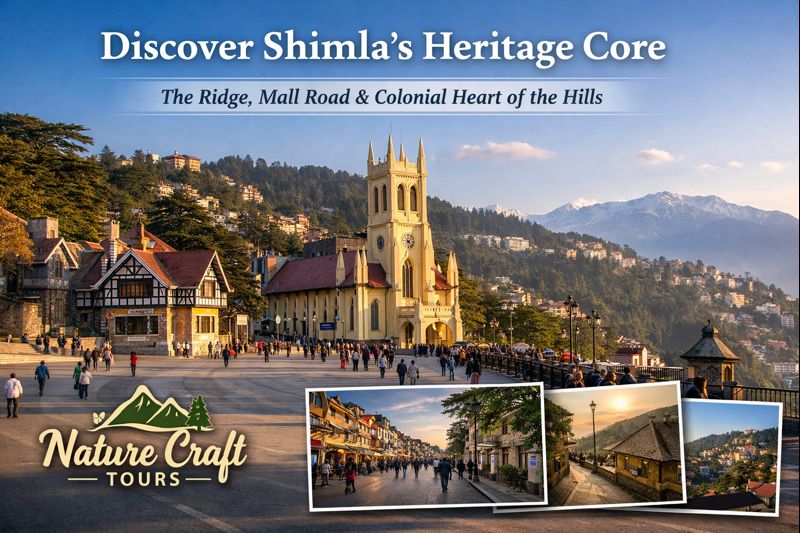
Best time: Late afternoon to evening for promenades; morning for quieter lanes.
Suggested duration: 1–2 days.
Special attraction: A classic Himalayan hill-capital mood—heritage architecture, long ridge walks, panoramic viewpoints, and a social “walking culture” that makes the town feel alive.
2) Jakhoo Hill & Temple (Shimla)
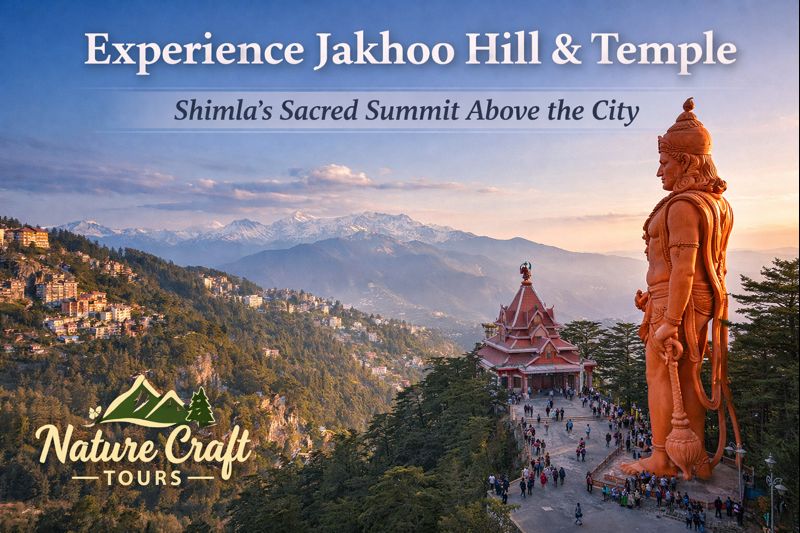
Best time: Early morning (clearer views, fewer crowds).
Suggested duration: 1–2 hours.
Special attraction: The highest point around Shimla for a commanding skyline view—best enjoyed as a quiet summit ritual.
3) Kufri (Near Shimla)
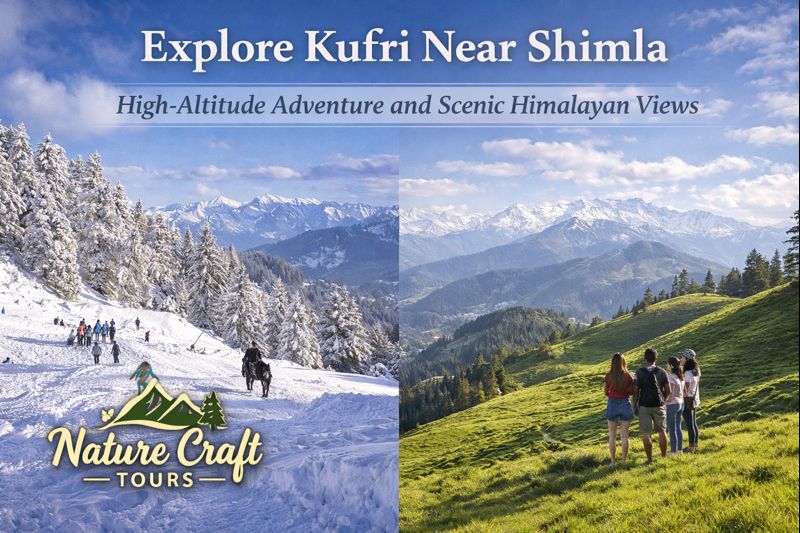
Best time: Morning to early afternoon; winter months for snow experiences.
Suggested duration: 3–5 hours (day excursion).
Special attraction: A high-altitude outing known for viewpoints and seasonal snow activity windows, ideal for families and first-time hill travelers.
4) Chail (Forest Calm + Palace-Region Heritage)
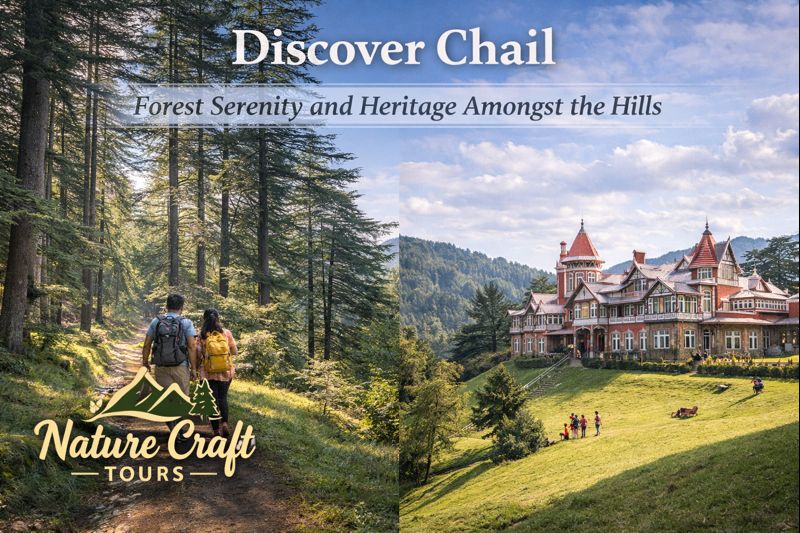
Best time: Late morning to sunset (slow forest drives are most rewarding in soft light).
Suggested duration: Full day excursion or 1 night stay.
Special attraction: A quieter alternative to Shimla—dense forests, calmer roads, and a “slow-hill” atmosphere that feels restorative.
5) Narkanda (Orchards + Winter Snow + Ridge Views)
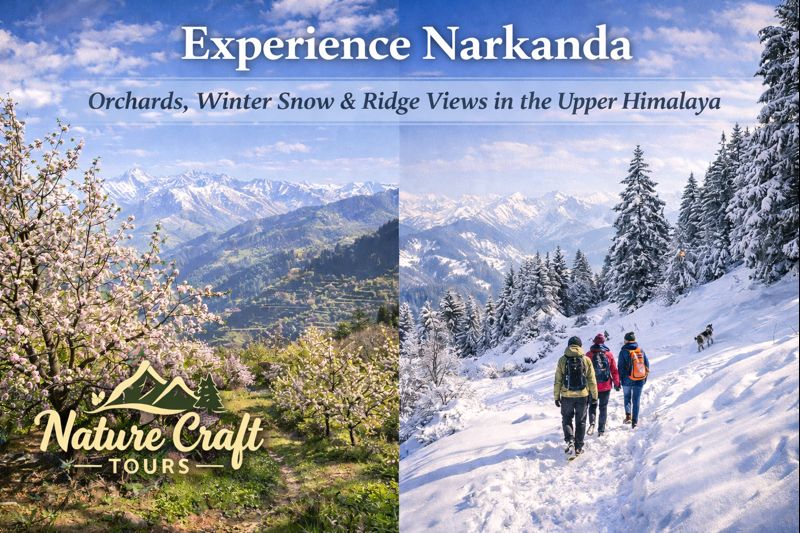
Best time: October–November for crisp views; winter for snow scenery; spring for orchard bloom mood.
Suggested duration: 1 day or 1 night extension.
Special attraction: A highland escape with fewer crowds—excellent for travelers who want mountain views without the pressure of heavy commercialization.
B) Kullu–Manali–Lahaul Belt (Rivers, Meadows, Snow Valleys, High Pass Atmosphere)
6) Kullu (Valley Base + River Culture)
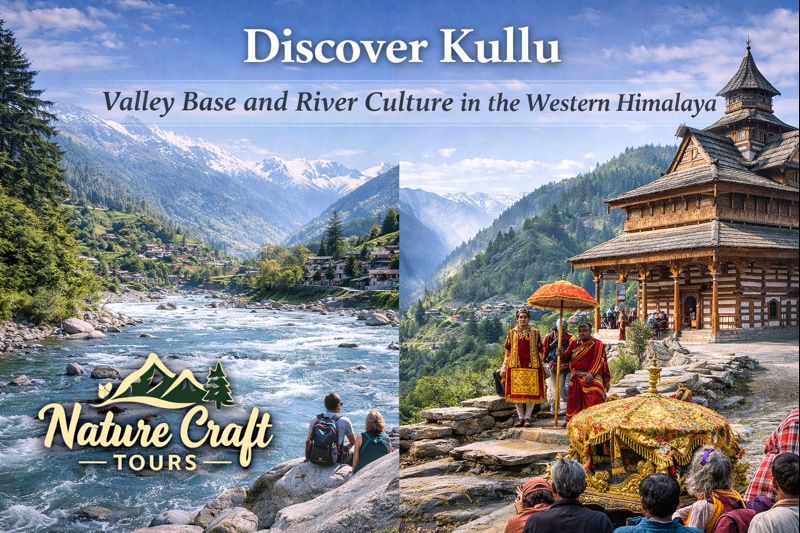
Best time: Morning and late afternoon for riverside ambience.
Suggested duration: 4–8 hours as a transit-and-experience stop or 1 night if you prefer slow pacing.
Special attraction: A practical valley hub with strong river landscapes—excellent for relaxed exploration and as a base to connect to Naggar, Manali, and Parvati Valley routes.
7) Manali (Old Manali + River Walks + Viewpoints)
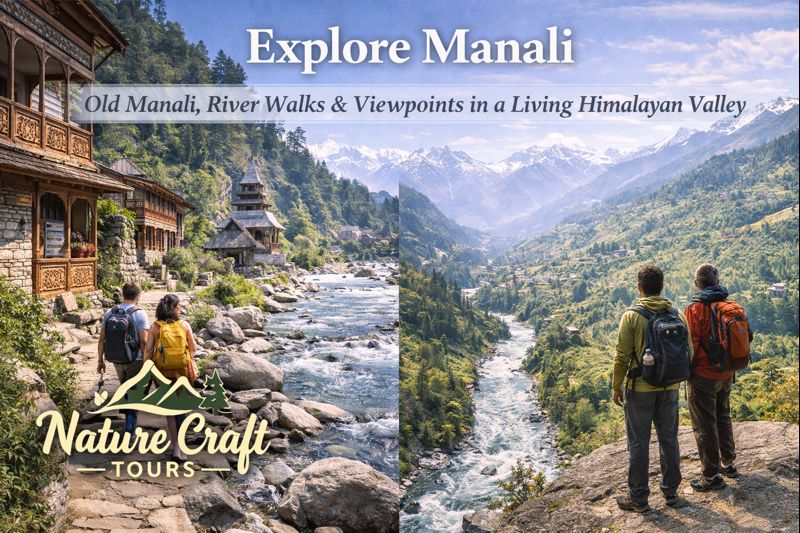
Best time: Morning for temple/heritage lanes; evenings for cafés and riverfront mood.
Suggested duration: 2–3 days.
Special attraction: A high-energy Himalayan town blending mountain leisure, adventure access, forest walks, and dramatic valley scenery.
8) Solang Valley (Adventure Landscape)
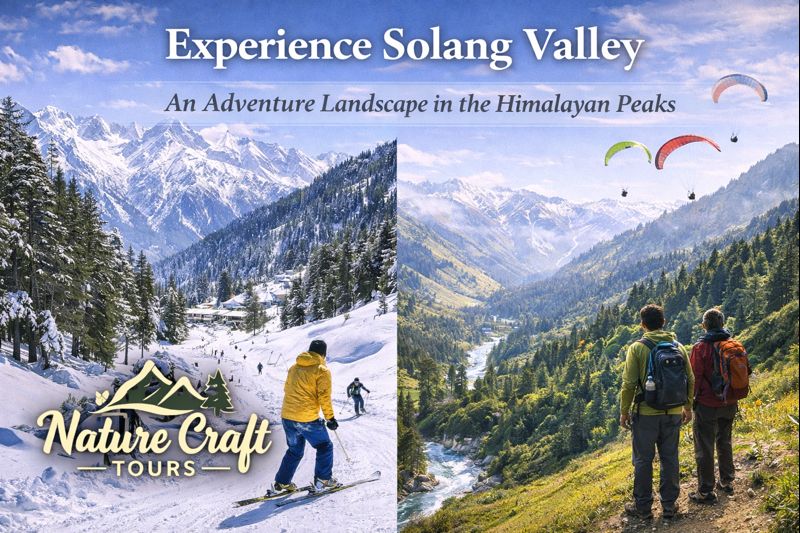
Best time: Morning for clearer weather windows; winter for snow-based activities when conditions permit.
Suggested duration: 3–6 hours.
Special attraction: A broad mountain valley known for adventure experiences and open views—ideal for travelers who want a “big mountain frame” without long hikes.
9) Rohtang-Region / High-Altitude Snow Corridor (Seasonal Access)
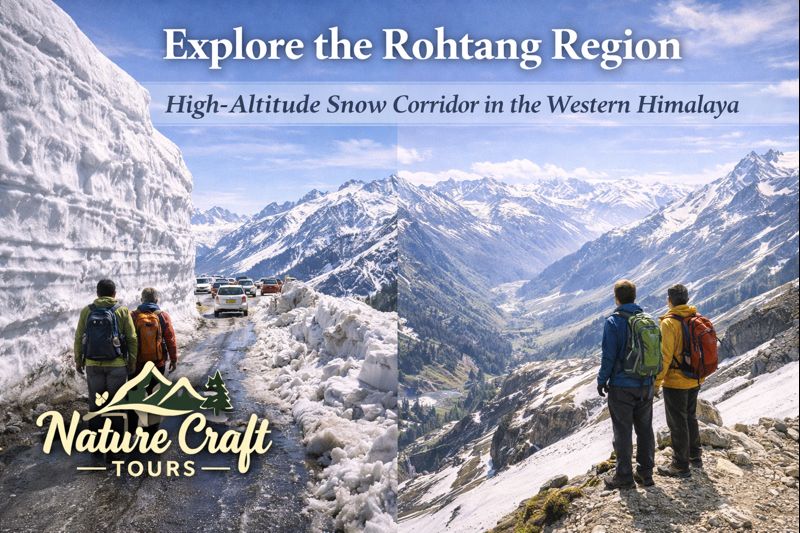
Best time: Late spring to summer when accessible; winter access is often restricted by snow conditions.
Suggested duration: Full-day excursion when permitted.
Special attraction: High-altitude snow landscapes, sharp ridgelines, and the sensation of crossing from lush valley into harsher mountain territory.
10) Atal Tunnel & Lahaul Glimpses (Seasonal Road Conditions Apply)

Best time: Daytime hours with stable weather; avoid late evening and storm windows.
Suggested duration: 4–7 hours (as a scenic extension).
Special attraction: A dramatic transition: the moment you emerge on the Lahaul side, the landscape becomes noticeably more open, drier, and more Himalayan in its rawness.
11) Naggar (Castle + Heritage Village Texture)
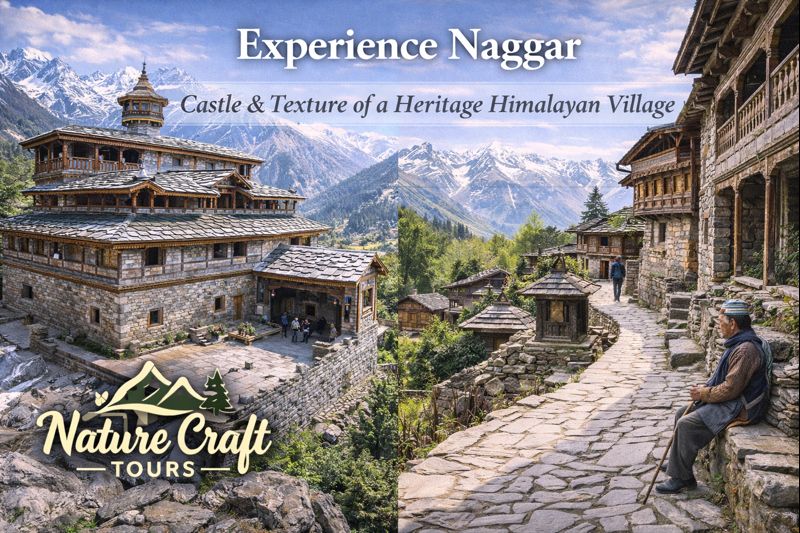
Best time: Late morning to afternoon.
Suggested duration: 2–4 hours.
Special attraction: A heritage pocket above the Kullu valley—traditional architecture, calmer lanes, and a refined “village-with-history” atmosphere.
12) Manikaran (Parvati Valley) — Hot Springs & Pilgrimage Mood
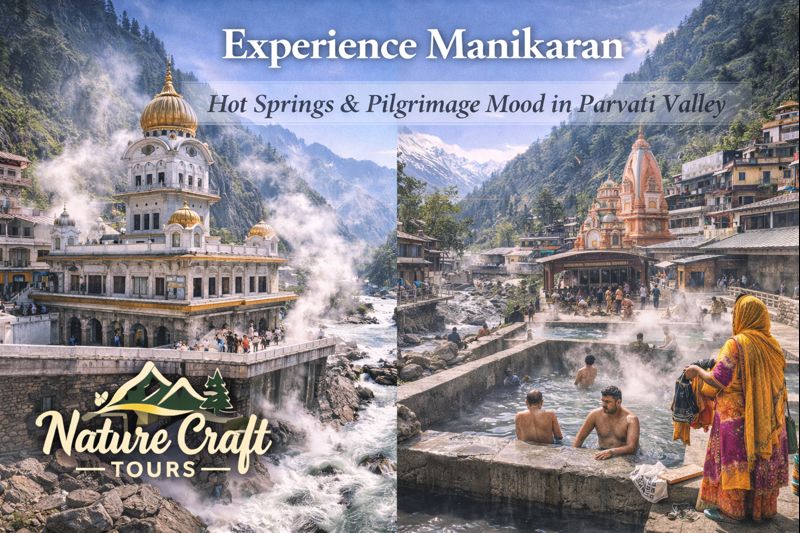
Best time: Morning (more comfortable and calmer).
Suggested duration: 2–4 hours (often combined with Kasol route).
Special attraction: A rare combination of spirituality and geology—hot springs, river energy, and a deeply local pilgrimage rhythm.
13) Kasol (Parvati Valley Riverside Leisure)
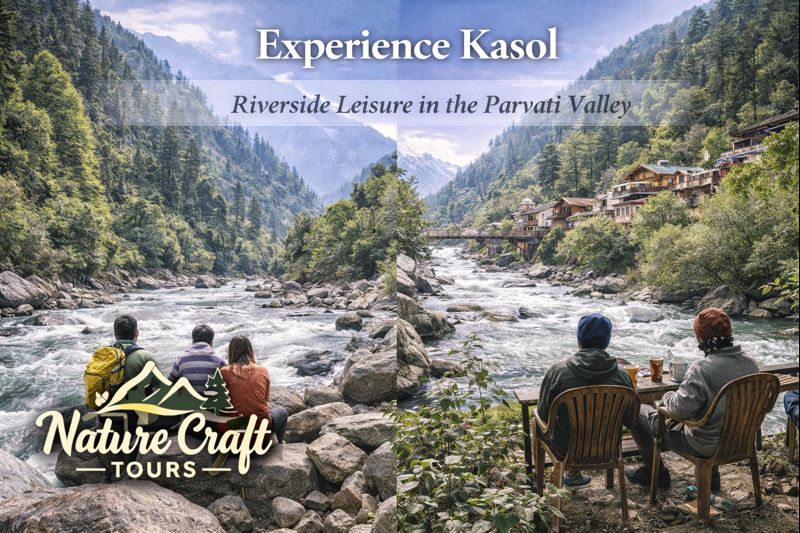
Best time: Late afternoon and evening for river ambience; mornings for quiet walks.
Suggested duration: 1–2 days.
Special attraction: A compact valley town known for riverside calm and a strong “slow-traveler” culture—best enjoyed without rushing.
C) Kangra–Dharamshala Belt (Monasteries, Tea Landscapes, Mountain Culture)
14) Dharamshala (Upper & Lower Town Perspectives)
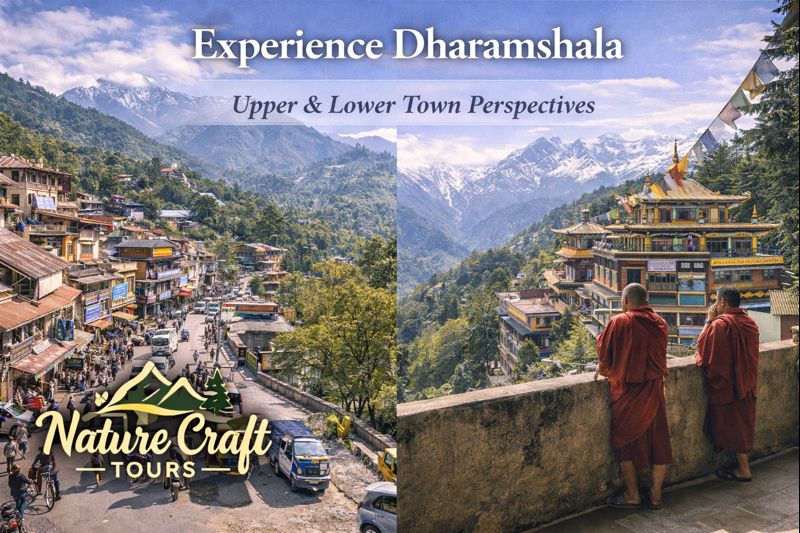
Best time: Morning for viewpoints; evenings for calm café culture and cool air walks.
Suggested duration: 2 days.
Special attraction: A mountain town with strong cultural identity—Tibetan influence, monastery life, and a dramatic Dhauladhar mountain backdrop.
15) McLeod Ganj (Monastery Zone + Himalayan Streets)
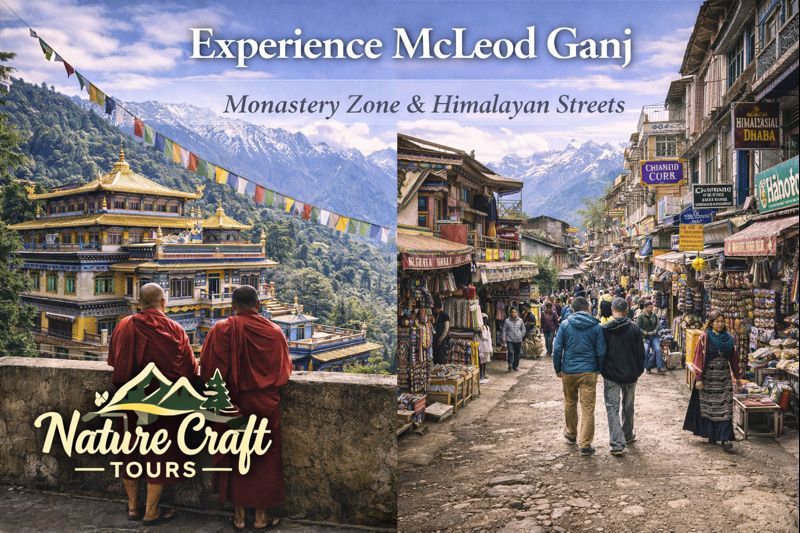
Best time: Morning (quieter monastery visits) and late afternoon (street ambience).
Suggested duration: 1–2 days (often included with Dharamshala).
Special attraction: A spiritually textured environment—monasteries, learning spaces, and a sense of mountain refuge.
16) Triund (Classic Trek Viewpoint Above McLeod Ganj)
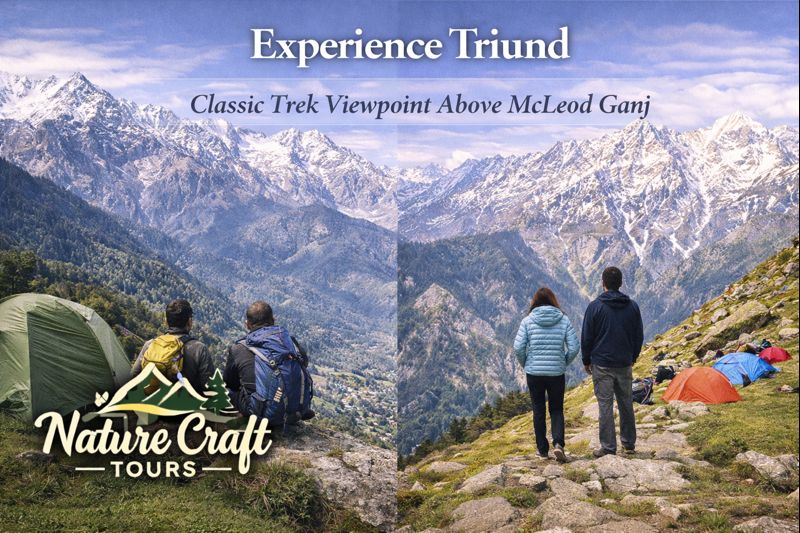
Best time: Spring and autumn for comfort and visibility; start early to return before late evening.
Suggested duration: Full-day trek (or overnight for experienced trekkers).
Special attraction: A celebrated ridge walk where the Dhauladhar presence feels close and overwhelming—one of the most rewarding “effort-to-view” ratios in the region.
17) Kangra Fort (History on a Hill)
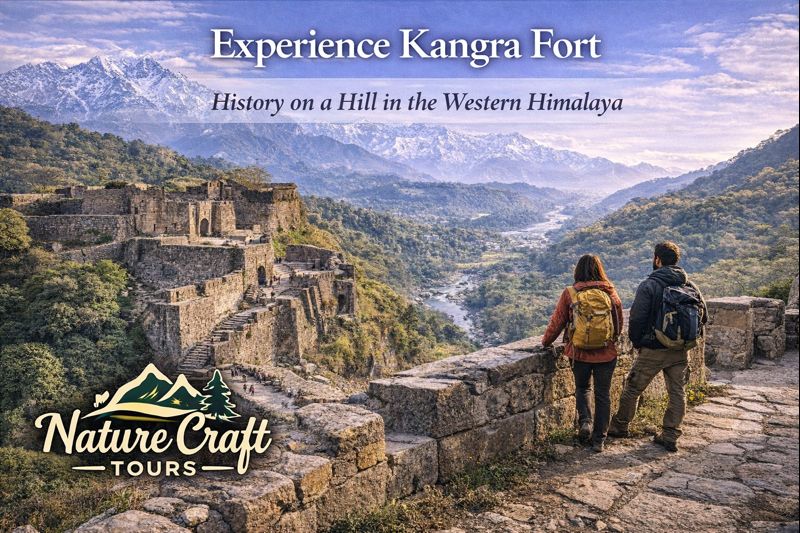
Best time: Morning or late afternoon (better light and comfort).
Suggested duration: 1.5–3 hours.
Special attraction: A strong fort landscape where stone walls, hill geometry, and regional history create an “ancient gateway” feeling.
18) Palampur (Tea Gardens + Gentle Mountain Town)
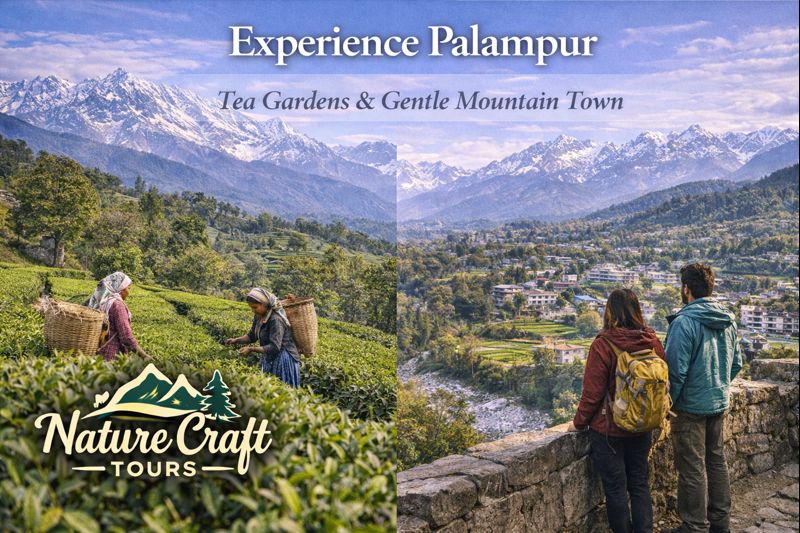
Best time: Morning to afternoon.
Suggested duration: 1 day or 1 night extension.
Special attraction: Tea estates, softer landscapes, and a calmer pace—excellent for travelers who want scenic beauty without heavy crowds.
D) Chamba–Dalhousie Belt (Colonial Calm + Meadows + Heritage Churches)
19) Dalhousie (Colonial-Era Hill Calm)
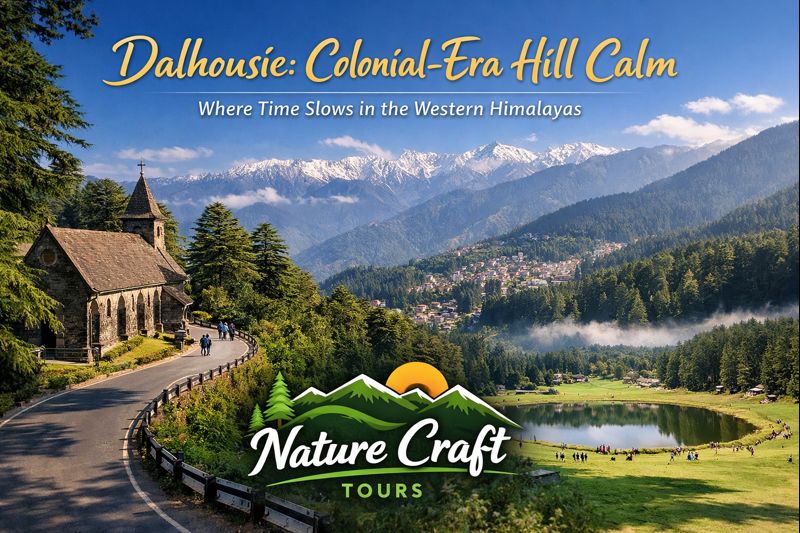
Best time: Early mornings for quiet streets; evenings for long promenade walks.
Suggested duration: 2 days.
Special attraction: A calm hill station atmosphere with old-world architecture, pine woods, and viewpoints suited to slow, reflective travel.
20) Khajjiar (Meadow Landscape)
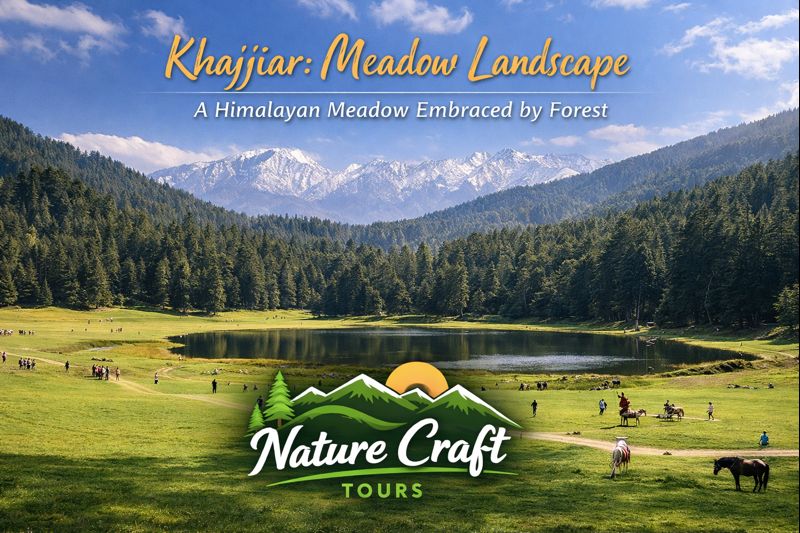
Best time: Late morning to afternoon (for clear meadow views).
Suggested duration: 3–5 hours (day excursion from Dalhousie).
Special attraction: A photogenic meadow-ringed landscape that feels like a scenic postcard—best enjoyed slowly, with short walks rather than rushing.
21) Chamba Town (Temples + River Valley Culture)
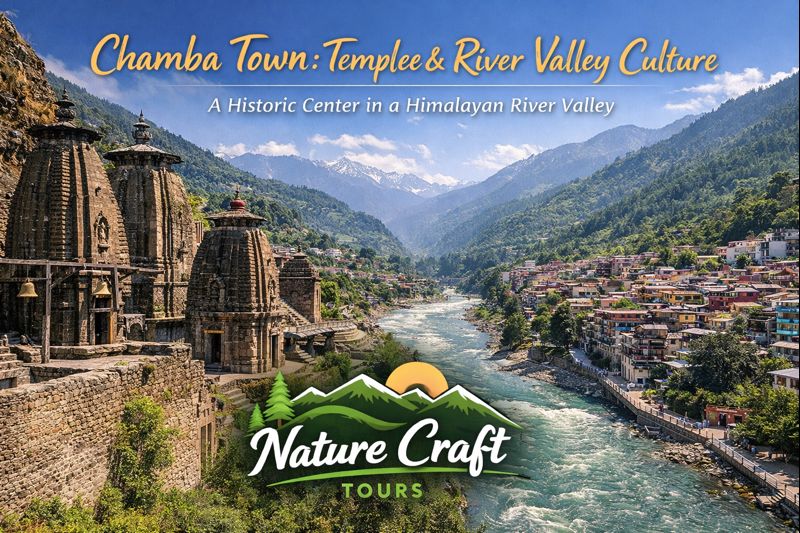
Best time: Morning for heritage sites; evenings for local market texture.
Suggested duration: 1 day.
Special attraction: A more “regional” Himachal experience—local culture, temples, and a deeper sense of old Himalayan town identity.
E) Kinnaur (Apple Country + High Valleys + Dramatic River Gorges)
22) Sangla Valley (Baspa River + Village Texture)
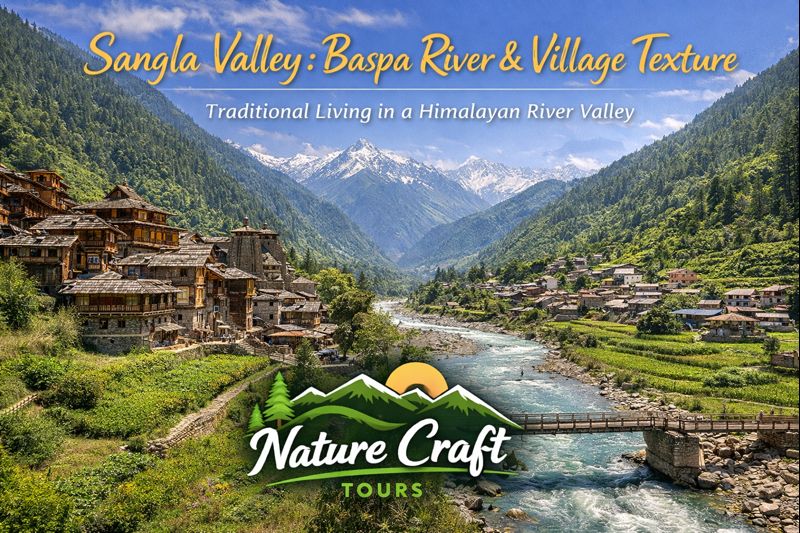
Best time: Summer and autumn for comfortable exploration and clear skies.
Suggested duration: 2 days.
Special attraction: A valley of strong river landscapes, village architecture, and mountain depth—ideal for travelers who want quieter Himalayan beauty.
23) Chitkul (Last Village Mood + High Valley Silence)
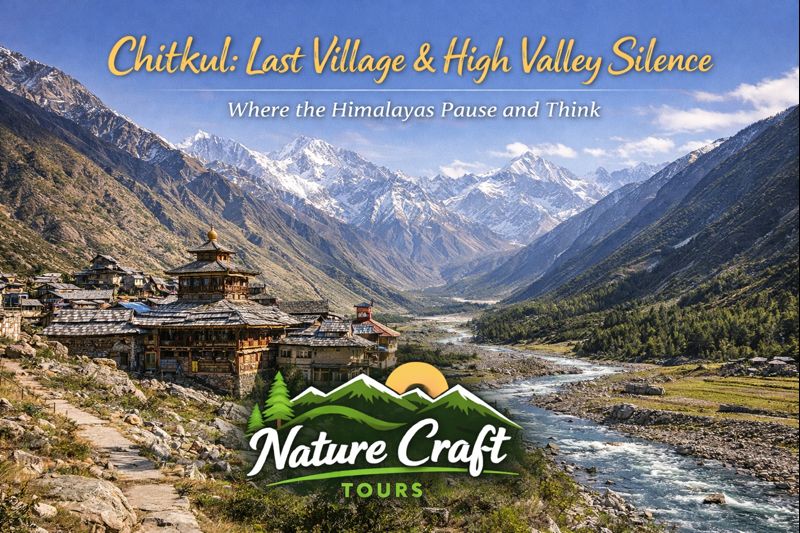
Best time: Late spring to autumn; winter access can be limited by snow and road conditions.
Suggested duration: Half-day to full-day excursion from Sangla route planning.
Special attraction: A high-altitude village atmosphere where the landscape feels cleaner, sharper, and more elemental.
24) Kalpa (Kinnaur Kailash View Belt)
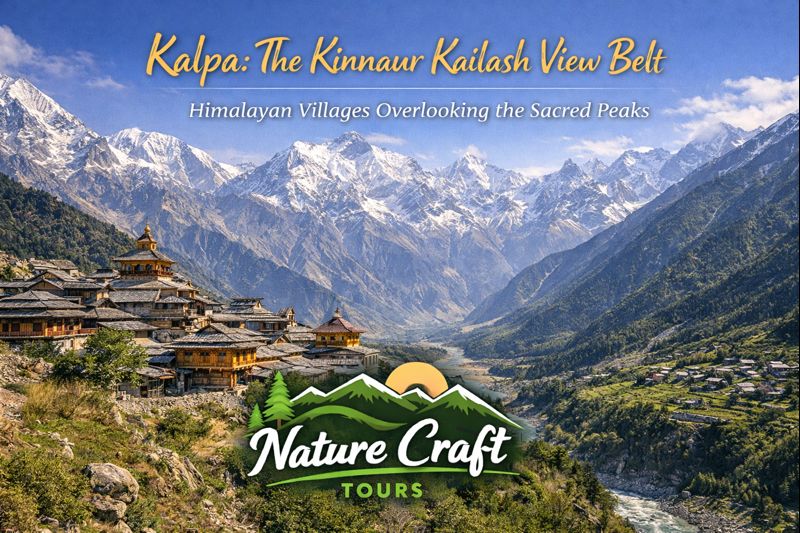
Best time: Morning and sunset for the most dramatic mountain visibility.
Suggested duration: 1–2 days.
Special attraction: A viewpoint-centered destination—when skies are clear, the mountain presence becomes the experience itself.
F) Spiti (High-Altitude Cold Desert, Monasteries, Stark Valleys)
25) Spiti Valley (Kaza Region as Base)
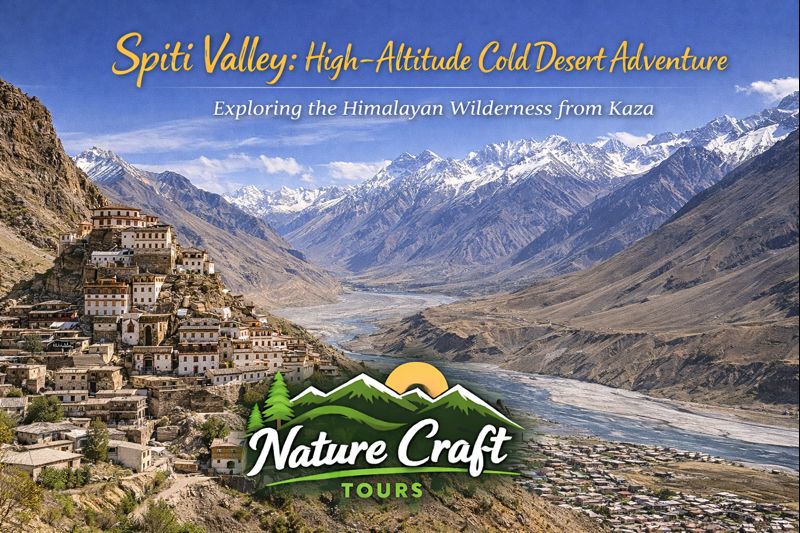
Best time: Summer months when the circuit is more accessible; winter demands expert planning due to severe cold and possible closures.
Suggested duration: 4–7 days as an extension (minimum 4 days for meaningful exploration).
Special attraction: A cold desert landscape: windswept valleys, minimal vegetation, crystalline air, and quiet villages. Spiti is best explored as a “landscape of silence,” not a rushed checklist.
26) Key Monastery (Near Kaza)
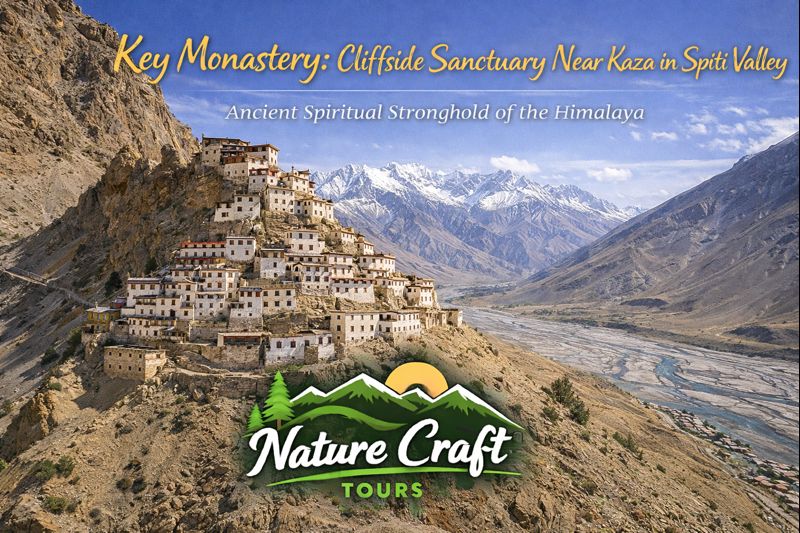
Best time: Morning (calm prayer atmosphere).
Suggested duration: 60–120 minutes.
Special attraction: A monastery perched with commanding valley views—an architecture of faith against a stark Himalayan backdrop.
27) Tabo (Monastery Village Atmosphere)
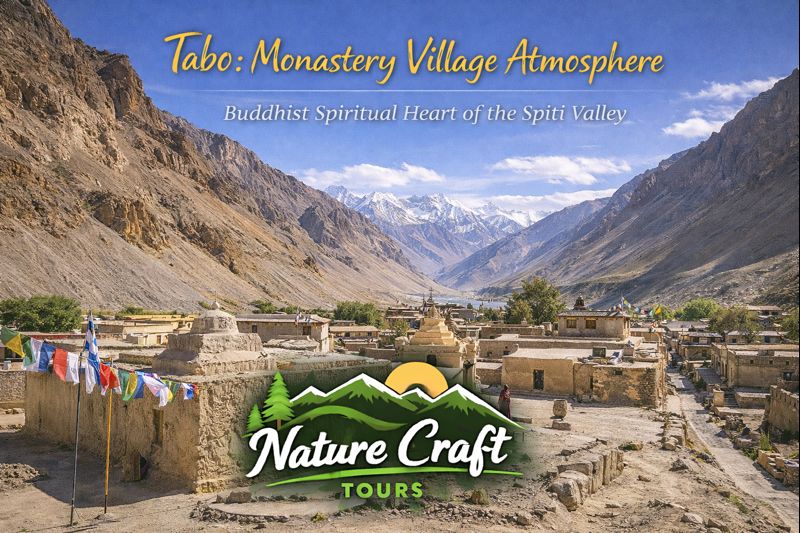
Best time: Morning to afternoon.
Suggested duration: Half-day or 1 night halt depending on circuit.
Special attraction: An ancient monastic settlement where spiritual continuity feels tangible in quiet courtyards and village rhythms.
28) Dhankar (Cliff-Edge Heritage)
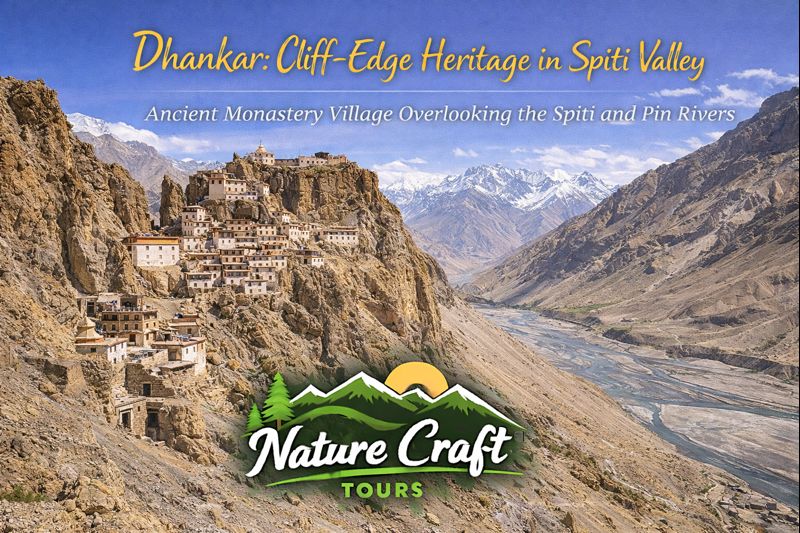
Best time: Late afternoon for dramatic light and shadows.
Suggested duration: 2–4 hours.
Special attraction: A cliff-side setting that feels physically bold—stone, wind, and height combine into an unforgettable “edge of the valley” experience.
29) Chandratal Region (Seasonal High Lake Experience)
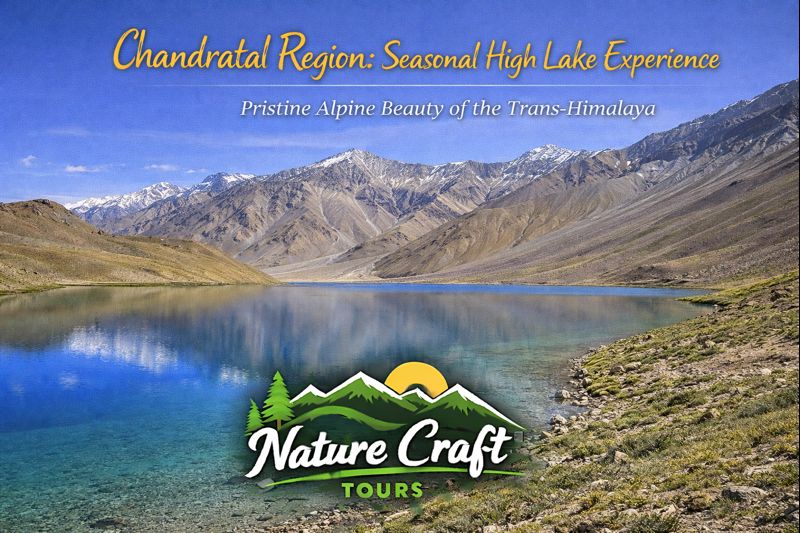
Best time: Summer season when the route is accessible; weather can change quickly at high altitude.
Suggested duration: 1 full day plus an overnight buffer where applicable.
Special attraction: A high-altitude lake experience known for vivid color shifts, open sky reflections, and a strong sense of Himalayan vastness.
G) Great Himalayan National Park Region (Tirthan–Sainj–Banjar Belt)
30) Great Himalayan National Park Conservation Area Belt
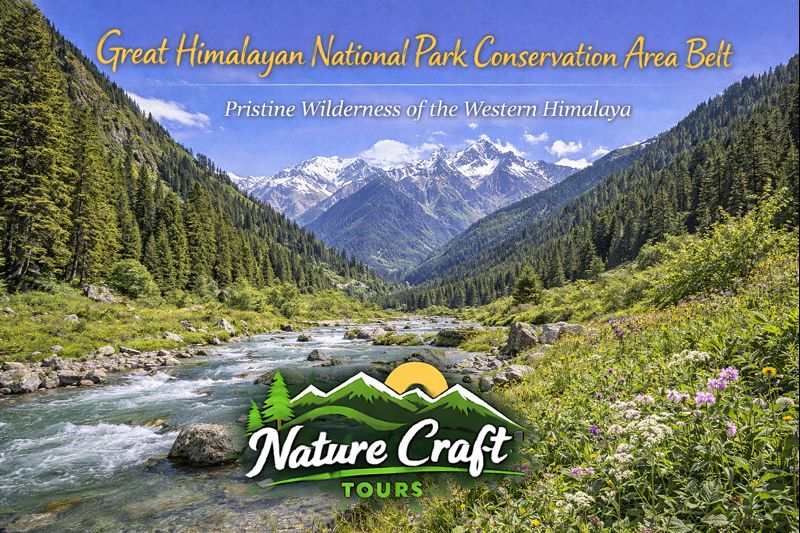
Best time: Spring to autumn for walking and nature exploration; conditions vary by trail and altitude.
Suggested duration: 2–4 days for nature-focused travelers.
Special attraction: A globally recognized biodiversity landscape of alpine meadows, riverine forests, and Himalayan ecosystems—ideal for travelers who value nature, quiet, and responsible exploration.
Complete Himachal Pradesh Tour Plan (Day-wise Itinerary with Recommended Timing)
Plan A: Classic Himachal Circuit (10 Days) — Ideal for First-Time Visitors
Day 1 — Arrive Shimla: Ridge Walk and Heritage Orientation
Afternoon: Check-in and slow acclimatization walk in Shimla’s central promenade zone.
Evening: Ridge and heritage streets for mountain twilight ambience.
Day 2 — Shimla + Kufri: Views and High-Altitude Air
08:00 AM – 11:30 AM: Jakhoo Hill (clear morning views).
12:30 PM – 04:30 PM: Kufri excursion (scenic highland outing).
Evening: Slow café time and rest.
Day 3 — Shimla to Manali (Scenic Transfer Day)
Morning to afternoon: Transfer with viewpoint pauses when safe and practical.
Evening: Old Manali riverside walk for a calmer first impression.
Day 4 — Manali Local: Heritage, Forest, and River Mood
Morning: Temple/heritage lanes and forest-edge walking routes.
Late afternoon: Town viewpoints and relaxed leisure blocks.
Day 5 — Solang Valley + Optional High-Altitude Corridor
08:00 AM – 02:00 PM: Solang Valley experience (keep time for weather variability).
Afternoon: Optional Atal Tunnel/Lahaul glimpse if conditions permit and travel logistics support it.
Evening: Early rest.
Day 6 — Parvati Valley: Kasol + Manikaran (Hot Springs and River Culture)
Morning: Transfer to Parvati Valley belt.
Late morning – afternoon: Manikaran hot springs area and spiritual landscape.
Evening: Kasol riverside slow walk.
Day 7 — Manali/Kullu Region to Dharamshala
Daytime: Transfer day with rest breaks.
Evening: Gentle town walk and early sleep for monastery morning.
Day 8 — Dharamshala + McLeod Ganj: Monasteries and Culture
Morning: McLeod Ganj monastery-zone exploration (quiet hours).
Afternoon: Local markets, cafés, and viewpoint spaces.
Evening: Slow cultural immersion, not rushed shopping.
Day 9 — Dalhousie Transfer + Evening Promenade
Daytime: Transfer to Dalhousie region.
Evening: Colonial-era promenade mood and quiet streets.
Day 10 — Khajjiar Excursion + Departure Planning
Morning – afternoon: Khajjiar meadow session and short walks.
Evening: Departure transfer or overnight buffer as required by your onward route.
Plan B: Spiti Extension (Add 5–7 Days) — For High-Altitude Explorers
Extension logic: Add Spiti after Manali/Kullu or after Shimla-side route planning, depending on seasonal access and road conditions.
Recommended pace: Keep one buffer day for altitude adjustment and unexpected weather or road changes.
Day 1 (Spiti Entry): Travel into Spiti; short walks only; early rest.
Day 2: Kaza base orientation + Key Monastery (slow, respectful exploration).
Day 3: Tabo monastic village mood + nearby heritage stops.
Day 4: Dhankar cliff heritage and valley viewpoints.
Day 5–6: High-lake region (seasonal) or additional villages; keep buffer for weather.
Day 7: Return transfer day.
Offbeat Destinations in Himachal Pradesh (Separate List) — Quieter, Deeper, Explorer-Friendly
1) Tirthan Valley (Nature-First Himalayan Calm)
A quieter alternative to the busiest hill stations—river walks, forest trails, and a slow rhythm that favors serious rest and nature observation.
2) Shoja (Jalori Pass Region) — Small Village, Big Mountain Mood
A minimal, scenic village experience where the “attraction” is silence, forest air, and the unhurried pace of mountain life.
3) Jibhi (Wooden Houses, Streams, and Soft Forest Light)
A photogenic and gentle Himachal pocket—excellent for travelers who prefer small walks, waterfalls, and calm mornings rather than crowded marketplaces.
4) Barot Valley (River Landscape + Remote Calm)
A deeper escape route—ideal for travelers who want fewer tourist structures and more raw valley atmosphere.
5) Prashar Lake (Highland Lake Pilgrimage Mood)
A high-altitude lake known for a powerful “sky-and-water” ambience, best reached with early starts and careful road planning.
6) Janjehli (Mandi Region) — Meadows and Forest Depth
A meadow-centric destination where Himachal becomes pastoral and quiet—excellent for soft adventure and slow photography.
7) Chitkul (On a Quiet Day, Not a Weekend Rush)
The offbeat transformation comes from timing. On quieter days, the valley feels clean and elemental, and the village mood becomes deeply authentic.
8) Kalpa Sunrise Sessions (Mountain Visibility Ritual)
More than a destination, it is a timing experience: the mountain face becomes theatrical at first light when skies are clear.
9) Kheerganga (Parvati Valley Trek) — Shoulder-Season Trekking
An explorer-style trek is best planned in stable weather windows and moderate crowd seasons, when trails feel safer and more peaceful.
10) Mechuka-Style “Slow Village Time” Principle (Applied Across Himachal)
The most offbeat Himachal is often not a new place, but a new pace: stay longer in one valley, walk more, drive less, and let the landscape reveal itself.
Explorer Notes (Practical Advice for a High-Quality Himachal Journey)
- Plan by regions: Do not zig-zag. Keep Shimla belt together, then Kullu–Manali belt, then Dharamshala belt, then Dalhousie belt.
- Protect the morning hours: Use mornings for viewpoints, temples, and treks; the best visibility and comfort often occur before noon.
- Keep a buffer day: In mountain travel, weather and road conditions can change quickly. One flexible day improves safety and reduces stress.
- Respect altitude: High-altitude regions require slower pacing, hydration, and restful evenings—especially when adding Spiti or high passes.
- Choose depth over quantity: Two valleys explored well create a richer travel story than five valleys rushed.
This Himachal Pradesh guide is structured for professional itinerary building and website publishing: a long destination list with timing and special attractions, a complete tour plan, and a separate offbeat catalogue designed for travelers who value discovery, landscape depth, and a refined pace of travel.