Sikkim Explorer’s Grand Route:
Popular Destinations, Day-Wise Tour Plan, and a Separate Offbeat List
Sikkim is a compact Himalayan world where altitude changes the storyline every few hours—orchid-rich valleys rise into pine forests, which then open into high passes and glacial basins. It is equally a cultural landscape: monasteries, pilgrimage lakes, and living traditions sit beside protected wilderness linked to the Kanchenjunga range. For an explorer, Sikkim is best approached as a sequence of “altitude chapters,” with enough time for acclimatisation, weather buffers, and slow observation.
Best Time to Visit Sikkim and the Explorer’s Daily Timing
- Best overall season: March to May (clearer mountain mornings, spring blooms, rhododendrons in many belts).
- Best for clear skies and long drives: October to early December (crisp visibility; excellent for panoramic viewpoints).
- Monsoon note: June to September brings lush greenery but also landslide risk and road delays—keep flexible buffers.
- Snow-focused travel: Late December to February can be very cold; high-altitude routes may face closures depending on conditions.
- Daily timing strategy:
- 05:30–08:30 viewpoints, sunrise photography, quiet monastery hours
- 09:00–12:30 heritage walks, monasteries, museums, markets
- 14:30–17:30 lakes, nature parks, soft-light valley exploration
- 18:00–20:30 local cuisine, town strolls, cultural streets
- Ideal duration: 8–12 days for “Gangtok + North Sikkim + West Sikkim”; extend to 14–16 days if you add deep offbeat villages and slow trails.
Complete Explorer Tour Plan (12 Days): Gangtok, East Sikkim, North Sikkim, and West Sikkim
Day 1: Arrive and Settle — Gangtok’s First Himalayan Layer
- Morning to afternoon: Arrival and gentle acclimatisation (avoid rushing to high altitude on Day 1).
- Late afternoon (16:00–18:30): Short orientation in central Gangtok streets and viewpoints.
- Evening (19:00–20:30): Early dinner and rest—Gangtok is the correct “base altitude” before higher routes.
Day 2: Gangtok Heritage and Culture — Monasteries, Museums, and City Viewpoints
- Morning (09:00–12:30): Visit key monasteries and cultural institutions; observe architecture, murals, and ritual rhythm.
- Afternoon (14:30–17:30): Ropeway / viewpoints and local markets for a grounded sense of everyday Sikkim.
- Evening (18:30–20:30): Leisure walk with a slow pace (a good day to prepare permits and route logistics).
Day 3: East Sikkim High Drive — Tsomgo Lake and Baba Mandir (Optional Nathu La, Permit-Dependent)
- Early start (06:30–07:00): Depart Gangtok early for stable weather and smoother road conditions.
- Morning (08:30–12:30): Tsomgo (Changu) Lake—a sacred high-altitude lake framed by mountain walls; best in crisp morning light.
- Afternoon (13:30–16:00): Baba Harbhajan Singh Mandir for the cultural-military narrative of the route.
- Optional add-on: Nathu La Pass (only if permits and day availability align).
- Evening (18:30–20:30): Return to Gangtok; warm fluids and rest are recommended after altitude exposure.
Day 4: Gangtok to Lachung — The Gateway Journey into North Sikkim
- Morning (07:30–13:00): Drive to Lachung; the route changes from urban hill roads to river valleys and forested slopes.
- Afternoon (15:30–17:30): Short village walk—Lachung’s charm lies in scale, quiet, and wood-and-stone Himalayan character.
- Evening (19:00–20:30): Early night; next day is a classic high-valley exploration.
Day 5: Yumthang Valley and Hot Springs — “Valley of Flowers” Mood (Seasonal)
- Morning (07:00–11:30): Yumthang Valley—broad alpine meadow scenery; spring months bring powerful rhododendron colour in the landscape belt.
- Late morning (11:30–13:00): Yumthang Hot Springs zone for a brief restorative stop.
- Afternoon (15:30–17:30): Return to Lachung; slow travel and valley light photography.
- Evening (19:00–20:30): Overnight in Lachung.
Day 6: Lachung to Gangtok — Reset and Recover
- Morning to afternoon: Drive back to Gangtok with relaxed timing.
- Evening (18:30–20:30): Free evening; prepare for the next high-altitude chapter (Lachen/Gurudongmar).
Day 7: Gangtok to Lachen — Higher Valley Transition
- Morning (07:30–13:30): Drive to Lachen; altitude increases and air becomes sharper and drier.
- Afternoon (15:30–17:30): Gentle acclimatisation walk; keep exertion low.
- Evening (19:00–20:00): Early rest—Gurudongmar days demand discipline and timing.
Day 8: Gurudongmar Lake Excursion — Glacial Landscape and High-Altitude Discipline
- Very early start (04:30–05:30): Depart for Gurudongmar Lake (high altitude; cold winds and thin air are common).
- Morning (08:30–11:00): Lake experience—keep movements calm, spend short time at the highest point, prioritise safety.
- Afternoon (13:30–16:30): Return to Lachen / onward toward lower altitude.
- Evening: Overnight at a safer, lower sleep altitude (as planned by your route operator).
Day 9: Gangtok to Pelling (West Sikkim) — Kanchenjunga View Corridor
- Morning (08:00–13:00): Drive to Pelling, known for its broad Kanchenjunga-facing viewpoints.
- Afternoon (15:30–18:00): Monastery and viewpoint belt; late light often creates dramatic mountain silhouettes.
- Evening (19:00–20:30): Calm night in Pelling.
Day 10: West Sikkim Heritage Day — Pemayangtse, Rabdentse, and Skywalk Zone
- Morning (09:00–12:30): Pemayangtse Monastery and the historical memory of West Sikkim’s religious institutions.
- Afternoon (14:30–17:30): Rabdentse Ruins (heritage trail) and the Chenrezig statue / skywalk area (if included in your interests).
- Evening (18:30–20:30): Slow town stroll and rest.
Day 11: Yuksom — The Historic Gateway to Khangchendzonga Landscapes
- Morning (08:30–12:30): Drive to Yuksom, historically significant and deeply green in character.
- Afternoon (14:30–17:30): Short heritage walk and nature immersion; Yuksom feels like a threshold town to wilderness routes.
- Evening (19:00–20:30): Overnight in Yuksom / return to Pelling based on travel strategy.
Day 12: Return to Gangtok / Exit Day — Closing the Circuit
- Morning to afternoon: Return drive and departure planning.
- Optional: Buffer day if weather affected North Sikkim or if you prefer slower travel.
Long List of Popular Destinations in Sikkim (Best Time + Special Attraction)
1) Gangtok

Best time: Year-round; clearest mountain mornings in Oct–Dec and Mar–May
Sikkim’s capital is both a cultural gateway and a practical base for high-altitude permits. Its value lies in layered experiences—monasteries, viewpoints, markets, and the easy transition from urban comfort to Himalayan roads.
2) Tsomgo (Changu) Lake (East Sikkim)

Best time: Early morning (08:00–11:30) for stable light and calmer winds
A sacred high-altitude lake whose beauty shifts with season—clear reflections in crisp months, dramatic cloud-and-mist theatre during transitional weather.
3) Baba Harbhajan Singh Mandir (East Sikkim)
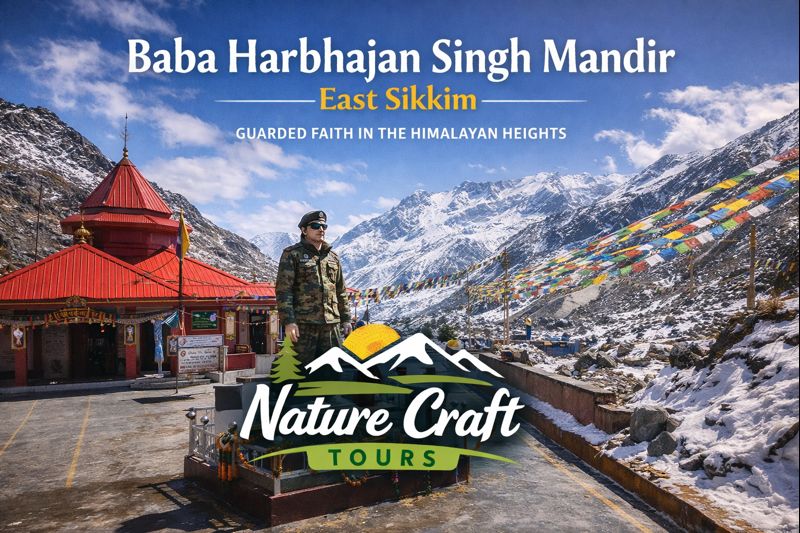
Best time: Late morning to early afternoon
A culturally significant stop on the high road—linking local belief, military history, and the emotional geography of borderland travel.
4) Nathu La Pass (Permit-Dependent)
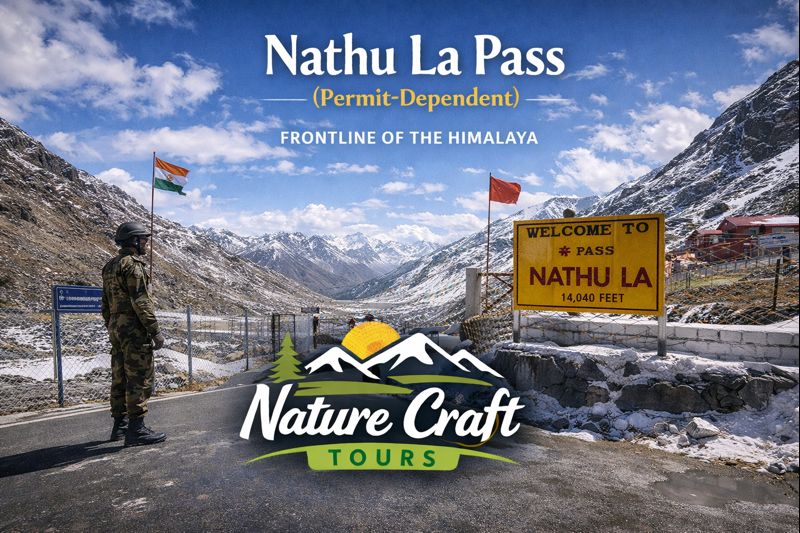
Best time: Morning hours (start early from Gangtok)
A legendary Himalayan pass on an India–Tibet trade and border corridor. It is an experience of altitude, wind, and the stark geometry of high mountains—subject to weather and permit rules.
5) Rumtek Monastery (Near Gangtok)
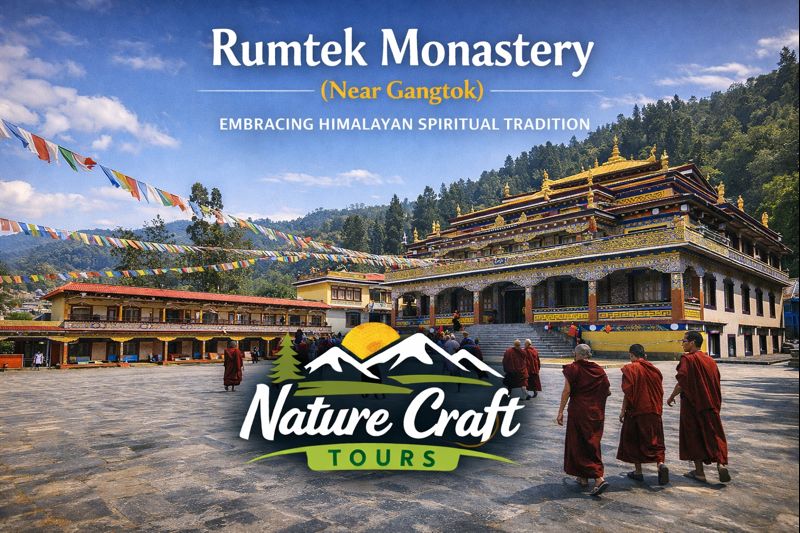
Best time: 09:00–12:30
One of Sikkim’s most significant monastery experiences—strong for architecture, ritual atmosphere, and cultural depth.
6) Namchi (South Sikkim)

Best time: Clear days (Oct–Dec; Mar–May)
A spiritual-cultural destination known for large religious icons and panoramic hill settings—ideal for travellers blending culture with scenery.
7) Ravangla (South Sikkim)
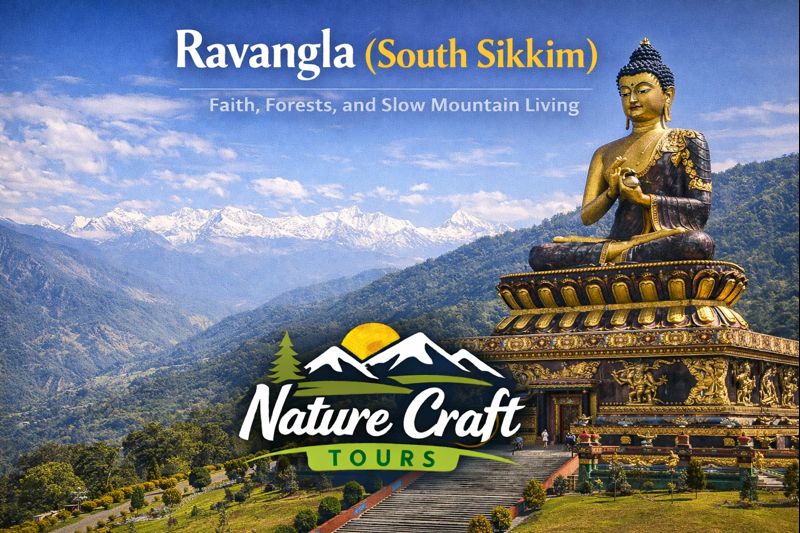
Best time: Morning to afternoon
A scenic hill town belt with strong spiritual installations and excellent views on clear days—pleasant for slow exploration and quiet walks.
8) Pelling (West Sikkim)
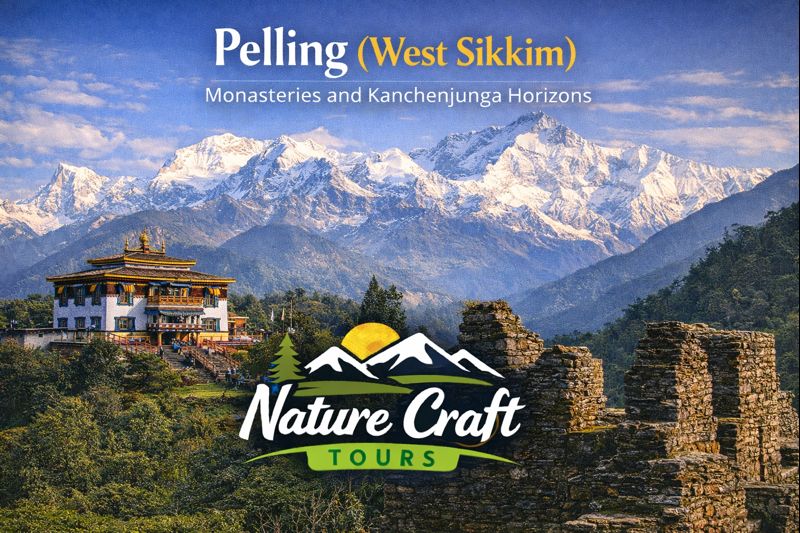
Best time: Sunrise and late afternoon for Kanchenjunga visibility
Pelling is a viewpoint kingdom—its main attraction is the scale of the Kanchenjunga-facing horizon, supported by monasteries and heritage trails.
9) Pemayangtse Monastery (West Sikkim)

Best time: 09:00–12:00
A revered monastery with refined sacred art and a deeply contemplative environment—best experienced with time and silence.
10) Rabdentse Ruins (West Sikkim)
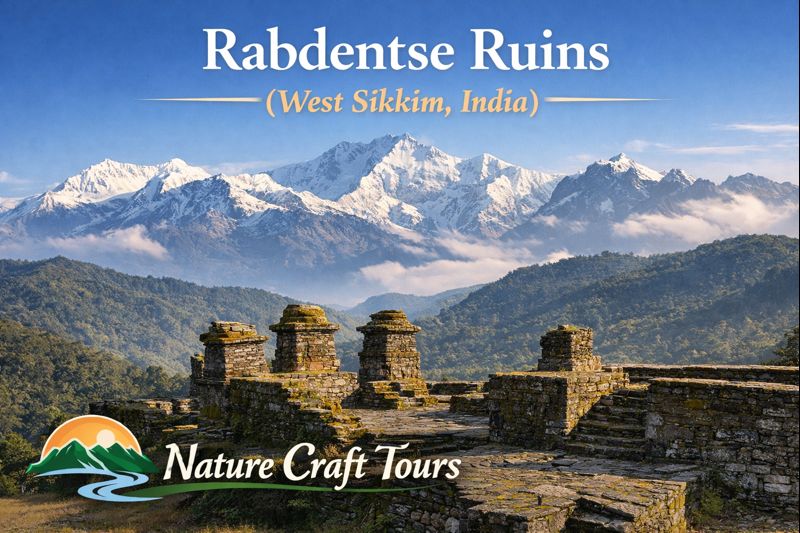
Best time: 10:00–13:00
A heritage walk into Sikkim’s royal past—forest paths, stone remains, and the feeling of history returning to nature.
11) Yuksom (West Sikkim)

Best time: Mar–May and Oct–Nov for comfortable walks
Often described as a historical gateway town, Yuksom is also an ecological threshold to deeper wilderness routes linked with the Khangchendzonga landscape.
12) Khangchendzonga National Park (UNESCO Site)

Best time: Spring and autumn windows for clarity and trekking conditions
A globally significant protected area that includes plains, valleys, lakes, glaciers, and ancient forests—anchored by the Kanchenjunga massif and deeply tied to local sacred geography.
13) Lachung (North Sikkim)

Best time: Mar–Jun for valley travel; Oct–Nov for crisp skies
A mountain village base with classic Himalayan character—wooden textures, river sounds, and a route role as gateway to Yumthang.
14) Yumthang Valley (North Sikkim)
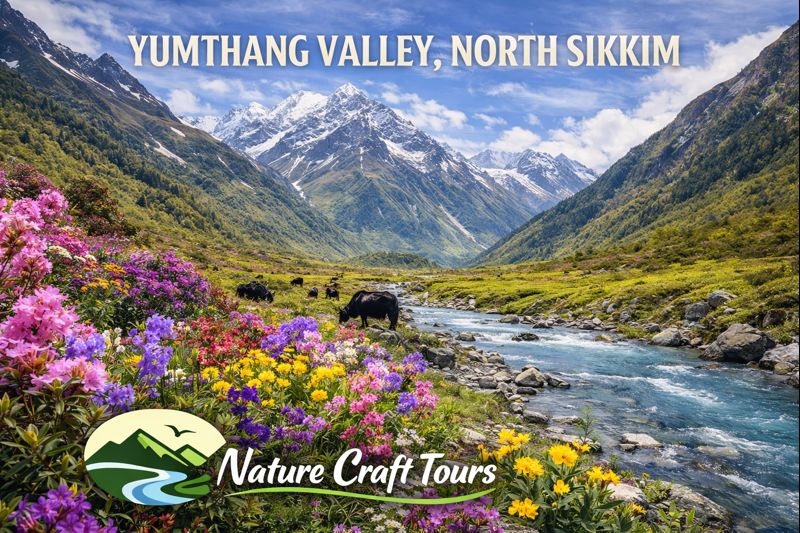
Best time: Late Feb to Jun for seasonal blooms; mornings for stable visibility
Known as a “valley of flowers” landscape in season, with rhododendron diversity and open alpine meadows that feel like a high-altitude amphitheatre.
15) Shingba Rhododendron Sanctuary (Near Yumthang)
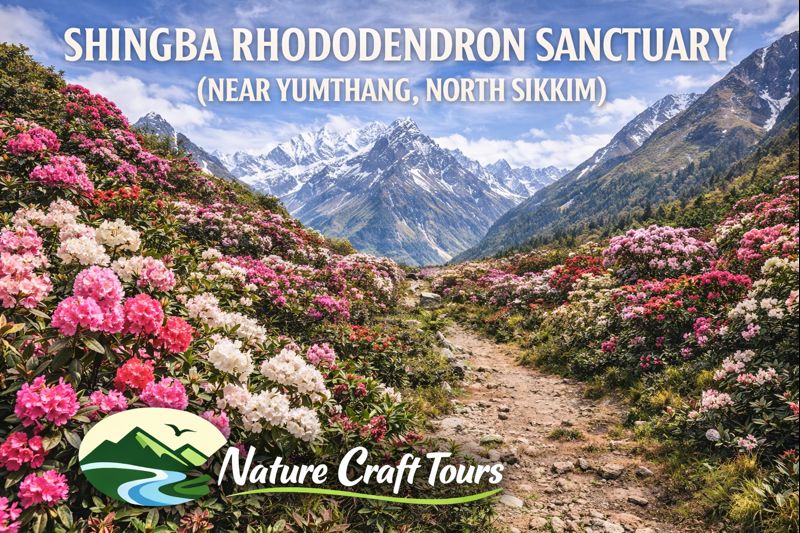
Best time: Spring to early summer
A specialised nature stop for travellers who value botanical richness—particularly rhododendron varieties associated with the region’s spring identity.
16) Lachen (North Sikkim)

Best time: Mar–Jun and Oct–Nov (subject to road and permit conditions)
A high-valley settlement used as the base for Gurudongmar journeys, with an atmosphere defined by altitude and stillness.
17) Gurudongmar Lake (North Sikkim)

Best time: Spring to early summer for clearer skies; early morning visits are standard
A dramatic glacial lake experience at very high altitude—less about comfort and more about witnessing Himalayan extremes responsibly.
18) Zuluk and the Old Silk Route Belt (East Sikkim)
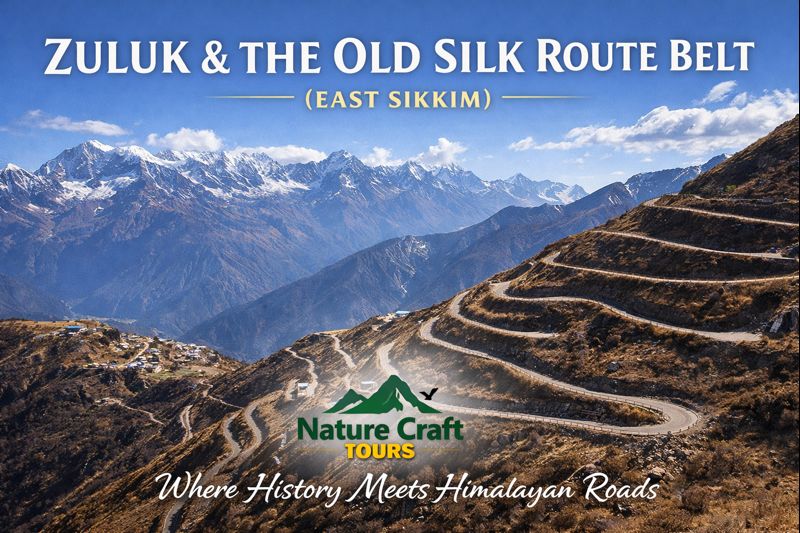
Best time: Oct–Dec and Mar–May for views; sunrise for switchback photography
Famous for zig-zag mountain roads and high-view corridors, ideal for travellers who love road narratives and layered ridgelines.
19) Temi Tea Garden (South Sikkim)
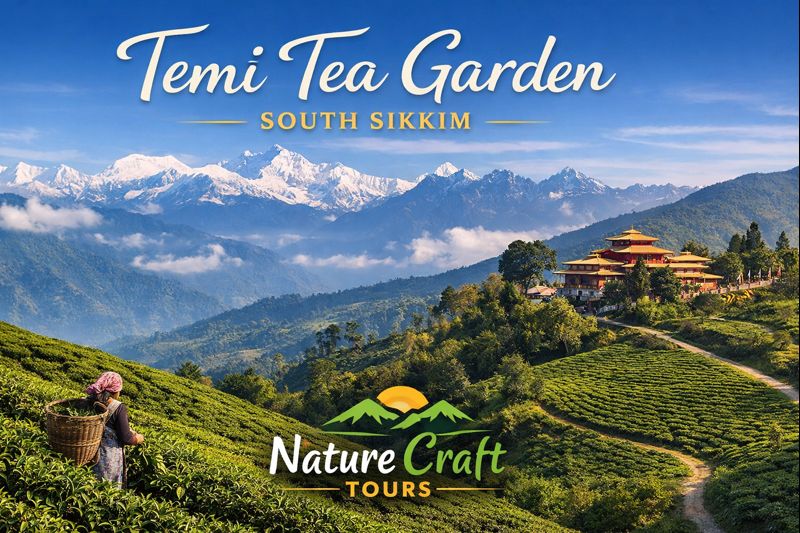
Best time: 09:00–12:00 and 15:00–17:00
A scenic plantation landscape where the attraction is “soft Himalayan agriculture”—neat tea slopes, viewpoints, and serene countryside pacing.
20) Tsuklakhang / Palace–Monastery Zone (Gangtok)

Best time: Morning hours
A meaningful cultural stop that highlights Sikkim’s royal and monastic connections in one compact heritage space.
Separate Section: Offbeat Destinations in Sikkim (For Slow, Serious Explorers)
These are places where Sikkim becomes quieter and more intimate—villages, ridges, lakes, and valleys that reward patience. They are best approached with realistic road-time planning and weather buffers.
1) Dzongu (Lepcha Reserve Belt) — Cultural Landscape Travel

Best time: Oct–Dec and Mar–May
A sensitive cultural region associated with the Lepcha community. The offbeat value lies in respectful observation—rivers, forests, village life, and a slower cultural rhythm.
2) Zuluk – Gnathang – Kupup Circuit (Old Silk Route)
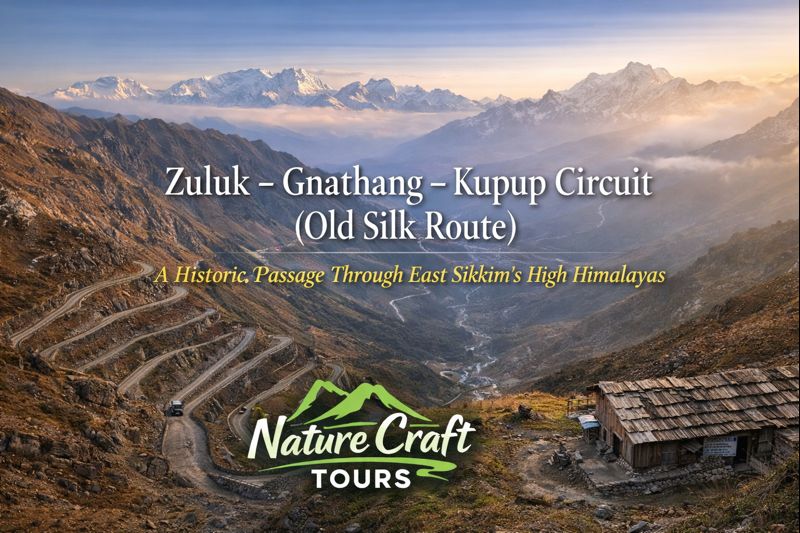
Best time: Clear seasons (Oct–Dec; Mar–May)
A ridge-and-pass storyline with dramatic road engineering, high meadows, and an “edge of the sky” feel. Ideal for photographers who prefer dawn light and wide panoramas.
3) Aritar and Lampokhari Lake (East Sikkim)

Best time: Morning and late afternoon
A calm lake-and-village setting that offers quiet scenery, small-town character, and a more local East Sikkim mood beyond the busiest routes.
4) Borong and Ralong Belt (South Sikkim)

Best time: Spring and autumn
A softer, less commercialised South Sikkim experience—monastery culture, village textures, and valley viewpoints with a peaceful pace.
5) Hee–Bermiok and Dentam Side Roads (West Sikkim)
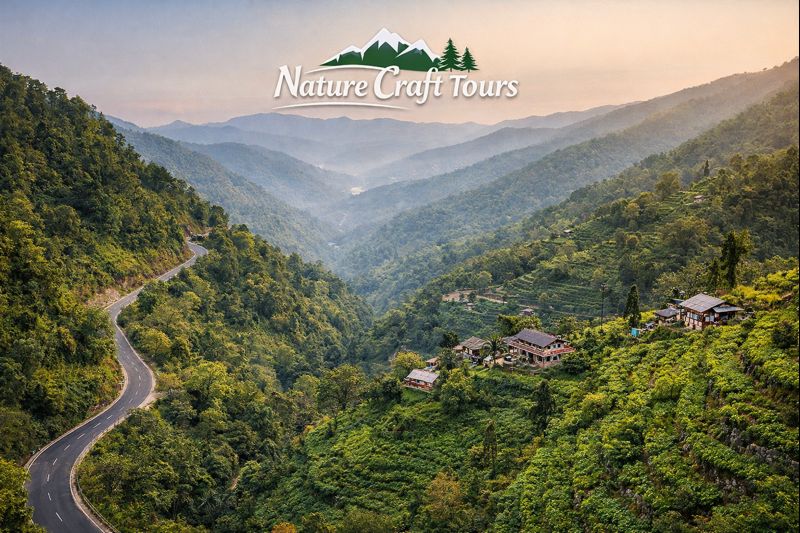
Best time: Oct–Nov and Mar–May
Backroad West Sikkim offers forest lanes, village stillness, and occasional Kanchenjunga windows—excellent for travellers who value “journey atmosphere” over headline attractions.
6) Uttarey and the Varsey Rhododendron Belt (West Sikkim)

Best time: Spring for rhododendrons
A rhododendron-dominated landscape in season—ideal for those who want floral colour in a quieter setting than the most mainstream circuits.
7) Sillery Gaon / Ramitey Viewpoint Extensions (Bordering Sikkim Travel Logic)

Best time: Clear sunrise seasons
Often paired by travellers who enjoy silent ridgelines and sunrise. While routes may connect via nearby belts, it is best planned carefully for road conditions and local permissions.
8) Namphok / Remote Monastery Corners (Less-Frequented Monastic Stops)

Best time: Morning hours
Offbeat monastery visits feel different: fewer crowds, stronger silence, and a more personal view of Himalayan religious life when approached respectfully.
9) Thangu and Chopta Valley Belt (North Sikkim, Permit-Dependent)

Best time: Spring to early summer; very early starts
A high-altitude landscape of broad valleys, cold winds, and minimalist beauty—best for travellers with strong acclimatisation discipline and realistic expectations.
10) Slow Trails Near Yuksom (Short Forest Walks, Not Only Treks)

Best time: Spring and autumn
Even without doing long treks, the Yuksom belt offers forest immersion, river soundscapes, and a sense of stepping toward the Khangchendzonga wilderness story.
Essential Travel Notes: Permits, Safety, and Smart Planning
- Permits are mandatory for several border and high-altitude areas (examples include Tsomgo–Baba Mandir and Nathu La; North Sikkim sectors such as Lachen/Lachung routes also involve regulatory checks).
- Always keep buffers: Mountain weather and road conditions can change rapidly; a “perfectly tight itinerary” is rarely a wise Himalayan itinerary.
- Acclimatisation matters: High-altitude lakes are not casual sightseeing points. Move slowly, stay hydrated, and treat symptoms seriously.
- Photography etiquette: In monasteries and village areas, ask before photographing people; silence is often part of the cultural atmosphere.
- Nature ethics: Keep distance from wildlife, avoid loud behaviour near lakes and sanctuaries, and leave no litter—Sikkim’s beauty is fragile because it is clean.