Garpanchkot
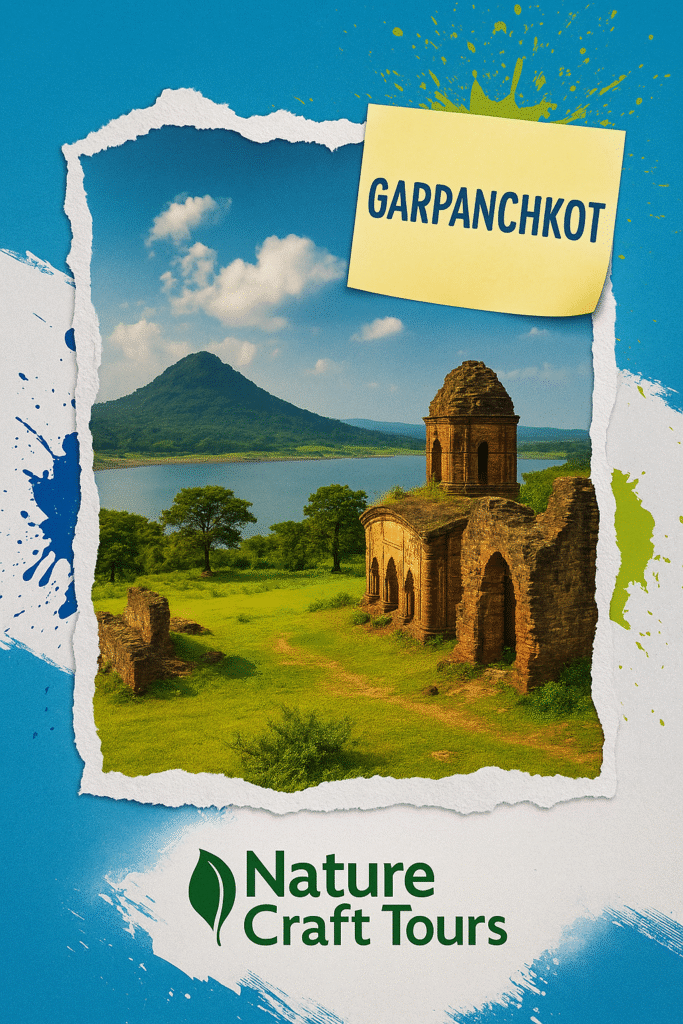
– A Timeless Retreat of Nature, Ruins and Hills Beneath the Panchakot Range
Garpanchkot, one of the most captivating heritage-nature destinations in Eastern India, lies at the foothills of the enchanting Panchakot Hills in the Purulia district of West Bengal. It is a land where history sleeps silently among the ruins of an ancient kingdom, where dense forests embrace serene water bodies, and where the hills stand guard as silent witnesses to centuries of change. For travellers seeking tranquility, scenic landscapes, cultural echoes of Bengal’s past, and an offbeat yet accessible weekend getaway, Garpanchkot emerges as a truly remarkable destination.
With its deep historical roots connected to the once-prosperous Panchkot Raj, stunning natural surroundings, the nearby Panchet Dam, and the panoramic charm of the surrounding hills, Garpanchkot offers the perfect combination of heritage, nature, and relaxation. The region is neither overly commercial nor too remote, making it an ideal destination for families, photographers, heritage enthusiasts, and couples looking for a peaceful holiday.
Understanding the Historical Essence of Garpanchkot
The history of Garpanchkot dates back several centuries to the era of the Singh Deo dynasty, popularly known as the Panchkot Raj. This region, once flourishing under local rulers, witnessed profound transformations over time. The ruins of the Panchkot Fort (also known as Garh Panchkot) stand as proof of its rich past, echoing stories of royal grandeur, invasions, and cultural evolution.
Historically, the fort faced significant destruction during the repeated raids by the Bargis in the 18th century. The remains of temples, gateways, defensive walls, and ancient brick structures scattered across the hillside provide a hauntingly beautiful ambiance. These archaeological remnants serve as a bridge between the present and the forgotten splendour of Bengal’s medieval era.
Major Tourist Attractions in and Around Garpanchkot
Garpanchkot offers a harmonious blend of history, nature, spirituality, and modern relaxation. Below are the must-visit attractions:
1. The Ruins of Garh Panchkot Fort
The ruins are the most iconic element of Garpanchkot. Nestled on the slopes of the Panchakot Hills, the remains include temples, watchtowers, and fortified walls built using laterite stones and bricks. The dilapidated structures, partly engulfed by vegetation, create a mysterious charm that mesmerizes photographers and history lovers.
Sunrise and sunset at the fort offer breathtaking views of the surrounding plains, rolling hills, and dense forests. The fort’s deserted pathways and moss-covered walls transport travellers to an era where kings, warriors, and ancient rituals shaped the cultural narrative of the region.
2. Panchet Dam
Located near Garpanchkot, the Panchet Dam is one of the largest dams in the Damodar Valley Corporation (DVC). Built across the Damodar River, the dam stretches across scenic waters flanked by hills and lush greenery. It is an excellent spot for photography, leisurely walks, boating experiences, and watching migratory birds during the winter season.
The reservoir created by the dam forms a spectacular lake-like expanse, providing serene views especially during early morning hours when mist gently floats above the water.
3. Maithon Dam
A short distance from Garpanchkot lies the magnificent Maithon Dam, another key DVC project renowned for its engineering and scenic beauty. The dam area is ideal for long drives, lakeside photography, and sunset viewing. Surrounded by hills, this vast water body offers refreshing breezes and dreamy landscapes.
4. Panchet Hill
Panchet Hill, which forms the dramatic backdrop of Garpanchkot, is known for its rugged trails, panoramic viewpoints, and deep forests. Trekkers and adventure enthusiasts often explore the hill for peaceful walks, birdwatching, and exploring rocky terrains.
5. Jhilimili Forest Range
Although farther away, the Jhilimili forest belt is a dense expanse of sal and teak trees. Its winding roads, forest acoustics, and thick green canopy make it perfect for a scenic drive. Wildlife enthusiasts often enjoy spotting birds, butterflies, and small forest animals along the trail.
6. Murguma Dam
A hidden gem near the Purulia highlands, Murguma Dam is surrounded by hills, forests, and tribal villages. The still waters and lush surroundings create a mesmerizing backdrop for travellers who appreciate silent natural retreats.
7. Joychandi Pahar
Located en route from Asansol, Joychandi Pahar is a prominent hill known for trekking, rock climbing, and panoramic views. It is also famous as one of the shooting locations of classic Indian cinema. Its iconic stone steps and rocky terrain offer a thrilling climb to the top.
Unique Experiences in Garpanchkot
Garpanchkot is ideal for travellers seeking tranquility, cultural depth, and scenic outdoor experiences:
- Heritage Walks: Explore the ruins of Garh Panchkot fort and ancient temple structures.
- Nature Photography: Capture the interplay of light, ruins, forests, and hills.
- Panchet Hill Sunrise: Enjoy a breathtaking sunrise over the plains and water reservoir.
- Boating & Lakeside Strolls: Experience quiet moments around Panchet and Maithon Dams.
- Tribal Culture: Observe the lifestyle and traditional practices of local communities.
- Forest Trails: Walk through sal forests listening to birds and forest winds.
- Star Gazing: Garpanchkot’s low light pollution creates ideal night sky views.
Distances from Major Locations
| Location | Distance | Approx. Travel Time |
|---|---|---|
| Kolkata | 250 km | 5.5 – 6 hours |
| Asansol | 35 km | 1 hour |
| Durgapur | 70 km | 1.5 hours |
| Purulia Town | 65 km | 2 hours |
| Maithon Dam | 22 km | 40 minutes |
| Panchet Dam | 10 km | 20 minutes |
How to Reach Garpanchkot
By Air
The nearest airport is Kolkata Airport. From Kolkata, tourists can travel by private vehicle or reach nearby railheads before proceeding by road to Garpanchkot. The journey from the airport offers scenic countryside views along the route.
By Train
The closest railway station is Asansol Junction, followed by Adra. Both stations have excellent connectivity to major cities. After arrival, local taxis and hired cars can take visitors directly to Garpanchkot.
By Road
Garpanchkot is well connected by highways and scenic rural roads. The most popular and convenient route is:
Kolkata → Dankuni → Bardhaman → Durgapur → Asansol → Garpanchkot
The roads are generally smooth and well-maintained, making the drive enjoyable and ideal for families.
Local Transportation
Visitors usually explore Garpanchkot using private cars or hired jeeps. Some areas near the fort and hills require short walks, making it suitable for adventure seekers, photographers, and nature lovers.
Accommodation Options in Garpanchkot
Garpanchkot is known for its peaceful accommodations located close to hills, lakes, and forest belts. The properties are designed to blend with nature and offer comfortable stays amid picturesque surroundings.
Types of Stays Available
- Eco-friendly cottages
- Hill-facing resorts
- Lake-view rooms near Panchet Dam
- Budget homestays
- Premium villas with landscaped gardens
Most accommodations provide excellent Bengali cuisine, walking trails, cultural interactions, bonfire arrangements, and sightseeing facilities.
Local Cuisine
The cuisine in Garpanchkot reflects the flavourful simplicity of rural Bengal. Meals are generally made using fresh ingredients sourced from nearby villages and local markets.
- Rice and lentils
- Fish curry (rui, katla, or freshwater varieties)
- Country chicken cooked with spices
- Vegetable dishes with local greens
- Mustard-based preparations
- Seasonal fruits
The peaceful natural setting enhances the pleasure of eating traditional meals surrounded by hills and forests.
Best Time to Visit Garpanchkot
Each season brings a different charm to this region, though some months are more favourable for outdoor activities.
Winter (November to February)
The most pleasant season with cool weather, ideal for exploring hills and ruins.
Spring (March to April)
Bright greenery and colourful flowers bloom across the region, making it photogenic and refreshing.
Monsoon (July to September)
The hills become lush green and the surroundings turn dramatic. However, trails can be slippery.
Autumn (October)
Clear skies and post-monsoon freshness provide excellent weather for sightseeing.
Suggested 3-Day Itinerary for Garpanchkot
Day 1
- Arrival from Kolkata or Asansol
- Visit Panchet Dam
- Nature walk near the lake
- Relax at the resort
Day 2
- Explore Garh Panchkot fort ruins
- Trek around Panchakot Hills
- Visit tribal villages
- Evening near Panchet Reservoir
Day 3
- Drive to Maithon Dam
- Walk around scenic viewpoints
- Departure
Travel Tips
- Wear comfortable shoes for walking around hills and ruins.
- Carry sufficient water during treks and summer visits.
- Photography enthusiasts should visit early morning or late afternoon.
- Respect local customs and natural surroundings.
- Pre-book accommodations during weekends and holidays.
Conclusion
Garpanchkot is a rare blend of ancient heritage, peaceful landscapes, and rural charm. The majestic ruins of Garh Panchkot, the breathtaking Panchet Dam, and the serene hills make it a destination rich in history, beauty, and tranquility. Whether you seek relaxation, adventure, photography, or cultural experiences, Garpanchkot offers a soulful escape deeply connected with Bengal’s natural and historical identity.
With its welcoming environment, scenic vistas, and timeless stories carved into stone, Garpanchkot continues to enchant travellers and stands as one of West Bengal’s finest offbeat yet accessible destinations.