Kolkata Heritage & Food Tour
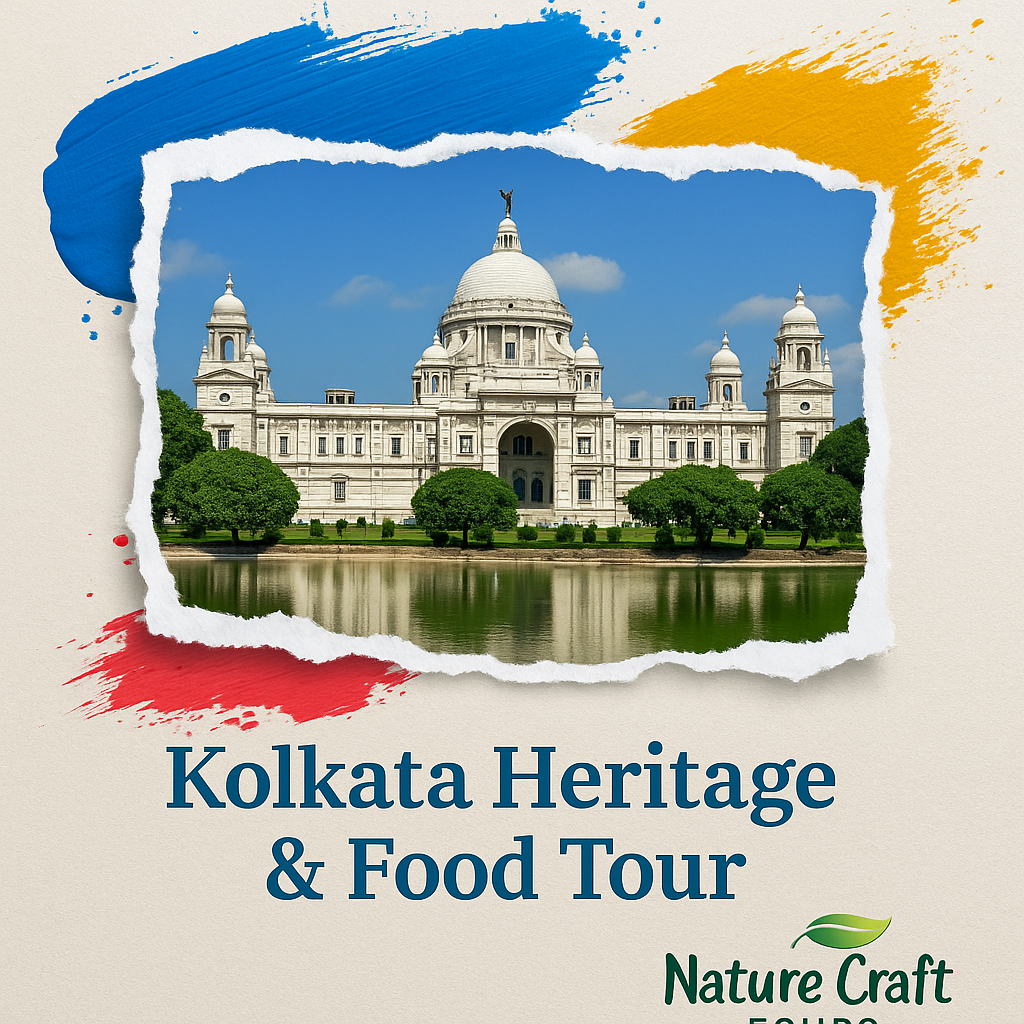
– A Grand Journey Through Culture, Architecture, History and Gastronomy
Kolkata, the cultural capital of India and one of the most historically influential cities in Asia, stands proudly as a living museum of colonial architecture, literary movements, artistic brilliance, traditional neighbourhoods, and an unparalleled culinary landscape. Known formerly as Calcutta, the city has been the cradle of the Indian Renaissance, the epicentre of intellectual thought, and a melting pot where European, Bengali, Mughal, Chinese, Armenian, and Jewish cultures blended seamlessly. A Kolkata Heritage & Food Tour is therefore not merely a journey across locations—it is an emotional, sensory, and historical discovery of a city that shaped the subcontinent’s cultural identity.
From the majestic Victoria Memorial to the timeless lanes of North Kolkata, from the spiritual aura of Kalighat and Belur Math to the bustling markets of Burrabazar, and from century-old sweet shops to iconic street-food stalls, Kolkata offers one of the richest travel experiences in South Asia. The official portal of the
Government of West Bengal (.gov) acknowledges Kolkata as a heritage zone enriched with architectural marvels, literary history, and gastronomic traditions that reflect Bengal’s diverse past.
Understanding Kolkata’s Heritage Identity
Kolkata’s heritage is layered across centuries, beginning with its establishment as a major trading centre under the British East India Company in the late 17th century. The Victorian-era buildings, old marketplaces, synagogues, temples, ghats, cemeteries, and cultural institutions form the backbone of the city’s historical wealth. Simultaneously, the local neighbourhoods—known as “paras”—represent a traditional lifestyle built around community bonding, festivals, arts, and culinary sophistication.
Kolkata’s role as the intellectual and artistic nerve centre of India produced giants like Rabindranath Tagore, Swami Vivekananda, Satyajit Ray, Bankim Chandra Chattopadhyay, and Subhas Chandra Bose. Every corner of the city carries footprints of these cultural icons, making heritage tours both emotionally enriching and historically enlightening.
Major Heritage Attractions to See in Kolkata
1. Victoria Memorial
One of the most iconic landmarks of Kolkata, the Victoria Memorial was built in honour of Queen Victoria and stands today as an architectural masterpiece of white Makrana marble. The fusion of British, Mughal, and Venetian styles is evident in its domes, pillars, and expansive gardens. The museum inside houses paintings, manuscripts, maps, sculptures, and historical artefacts.
2. St. Paul’s Cathedral
Located near the Victoria Memorial, St. Paul’s Cathedral is a classic example of Indo-Gothic architecture. Its stained glass windows, frescoes, and tranquil interiors provide a serene experience for visitors.
3. Howrah Bridge (Rabindra Setu)
An engineering wonder and one of the busiest cantilever bridges on the planet, Howrah Bridge connects Howrah to Kolkata and symbolizes the vibrancy of the city. The sight of the bridge glowing at night remains a cultural icon.
4. Dakshineswar Kali Temple
Built in the 19th century, this riverside temple is associated with the spiritual life of Sri Ramakrishna Paramahansa. The nine-spired temple architecture and the panoramic view of the Ganga add an ethereal charm.
5. Belur Math
Founded by Swami Vivekananda, Belur Math is a serene spiritual retreat known for its unique architectural blending of Hindu, Christian, and Islamic motifs. The peace of the Ganga flowing beside the Math elevates the spiritual ambiance.
6. College Street & Indian Coffee House
College Street is the largest second-hand book market in the world. It houses prestigious institutions like Presidency University and the University of Calcutta. The Indian Coffee House nearby has been the gathering place for intellectuals, writers, and revolutionaries for decades.
7. Kumartuli – The Sculptors’ District
This artistic neighbourhood is globally known for handcrafted clay idols of Durga and other deities. The lanes filled with sculptors working on magnificent figures offer visitors a rare insight into Bengal’s craftsmanship.
8. Marble Palace
A spectacular 19th-century mansion known for its collection of European sculptures, chandeliers, mirrors, and Bengal artworks. The palace and its gardens display Kolkata’s royal heritage.
9. South Park Street Cemetery
This 18th-century colonial cemetery, now protected as a heritage site, has unique tomb architecture that reflects British funerary art and India’s colonial past.
Travellers often combine Kolkata with nature-based or wildlife journeys in eastern India. For example, eco-travel experiences like Sundarban Tour offer a complementary extension to heritage explorations.
10. Jorasanko Thakurbari
The ancestral home of Rabindranath Tagore, this heritage structure now serves as a museum that preserves the literary and artistic legacy of the Tagore family.
11. Metcalfe Hall & General Post Office (GPO)
Two colonial-era architectural gems known for their grand Greco-Roman pillars and majestic facades that represent Kolkata’s administrative heritage.
The Legendary Food Culture of Kolkata
Kolkata’s culinary heritage is as profound as its history. It is a paradise for food lovers—offering both traditional Bengali cuisine and unique street-food innovations shaped by multicultural influences.
1. Traditional Bengali Cuisine
- Fish preparations – Hilsa, Bhetki, Rohu, Pabda
- Shorshe-based dishes – Mustard-infused flavours dominate Bengali households
- Chingri Malai Curry
- Kosha Mangsho
- Bengali vegetarian items – Shukto, Aloo Posto, Lau Ghonto, Dalna
2. Sweets of Kolkata
Kolkata’s sweets are globally admired. Famous among them are:
- Rasgulla
- Sandesh
- Mishti Doi
- Chhanar Jilipi
- Nolen Gur desserts during winter
3. Street Food Highlights
- Kathi Rolls (invented in Kolkata)
- Phuchka (Bengali Pani Puri)
- Jhalmuri (spicy puffed rice mix)
- Ghugni
- Telebhaja (fried savouries)
- Chinese–Bengali fusion dishes
4. Chinatown (Tangra & Tiretti Bazaar)
Kolkata is the only Indian city with an authentic Chinatown that offers Chinese–Indian fusion breakfast, momos, dumplings, handmade noodles, and traditional Chinese culinary practices.
5. Iconic Old Kolkata Restaurants
Classic eateries dating back to the 19th and 20th centuries continue to preserve Kolkata’s food heritage, serving Anglo-Indian dishes, Mughlai platters, and Eurasian flavours.
Suggested Kolkata Heritage & Food Tour Itinerary
Day 1 – Colonial Kolkata
- Victoria Memorial
- St. Paul’s Cathedral
- Prinsep Ghat (boat ride during sunset)
- Howrah Bridge night view
- Dinner with Bengali cuisine
Day 2 – North Kolkata’s Culture & Food
- College Street and Coffee House
- Kumartuli
- Burrabazar heritage walk
- Chinese breakfast at Tiretti Bazaar
- Street food tasting tour of North Kolkata
Day 3 – Temples, Riverfronts & Spiritual Spots
- Dakshineswar Temple
- Belur Math
- River cruise from Belur to Babughat
- Kalighat Temple
- South Kolkata sweet shops
Major Distances to Key Locations
- Kolkata Airport to Victoria Memorial: 20–22 km approx.
- Howrah Station to Dakshineswar Temple: 13–15 km approx.
- Kalighat to Park Street: 6–7 km approx.
- Belur Math to Kolkata Airport: 15–17 km approx.
- College Street to Kumartuli: 2–3 km approx.
- Howrah Bridge to Burrabazar: 1–2 km approx.
How to Reach Kolkata
1. By Air
Netaji Subhas Chandra Bose International Airport connects Kolkata with major domestic and international destinations.
2. By Rail
Howrah Junction, Sealdah Station, and Kolkata Station form one of the largest railway networks in Asia, connecting the city to all corners of India.
3. By Road
Kolkata is connected via national highways to Odisha, Bihar, Jharkhand, and the Northeast. Long-distance buses operate to and from the city regularly.
Staying Options (Properties) in Kolkata
Kolkata offers a wide variety of staying options suited to different budgets and styles, including:
- Luxury heritage hotels
- Cultural boutique stays
- Business hotels
- Budget-friendly accommodations
Most properties provide easy access to historical attractions, food hubs, markets, and transportation facilities.
Best Time to Visit Kolkata
1. Winter (November to February)
This is the best season, with a comfortable climate ideal for sightseeing and food walks.
2. Durga Puja Season (September to October)
Kolkata becomes a vibrant canvas of festival art, grand decorations, traditional foods, and cultural performances.
3. Monsoon (June to August)
The city appears refreshed, though heavy rains may affect travel plans.
4. Summer (March to May)
Afternoons remain warm, but early mornings and evenings offer pleasant exploration possibilities.
Travel Tips for Heritage & Food Lovers
- Wear comfortable footwear for heritage walks.
- Try traditional Bengali breakfasts in North Kolkata.
- Do not miss Chinese breakfast in Tiretti Bazaar.
- Plan visits to temples early in the morning.
- Respect photography rules inside certain heritage zones.
- Street food is best enjoyed from popular and trusted vendors.
Useful External References
Conclusion
A Kolkata Heritage & Food Tour offers an extraordinary exploration of India’s cultural nucleus—where every building, ghat, street corner, and food stall tells a story. The city’s rich colonial architecture, spiritual tranquility, artistic traditions, and world-famous culinary landscape create a journey that engages the mind, soul, and senses. Whether you are a historian, photographer, food lover, or cultural enthusiast, Kolkata welcomes you with warmth, nostalgia, and endless discovery.