Koraput – The Mystic Highlands of Southern Odisha and the Soul of Tribal India
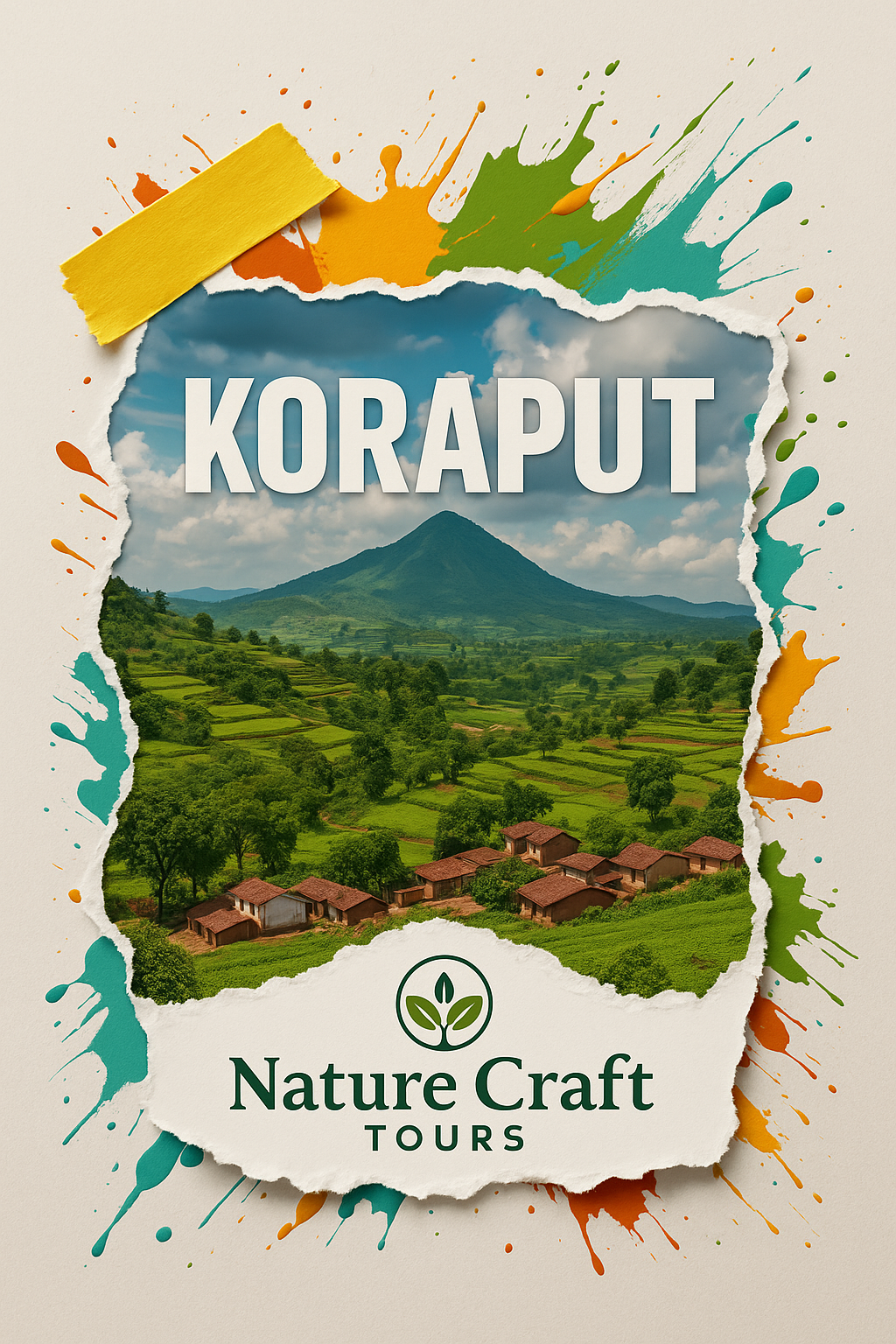
Koraput, nestled within the undulating Eastern Ghats of southern Odisha, stands as one of India’s most culturally rich, ecologically diverse, and scenically captivating regions. A land of mist-covered hills, deep valleys, terraced farmlands, sacred springs, ancient temples, and vibrant tribal heritage, Koraput offers an immersive experience into the rhythms of nature and indigenous life. Often referred to as the “Switzerland of Odisha” for its cool climate and rolling landscapes, the region serves as a gateway to some of India’s oldest tribal communities as well as pristine natural wonders.
From the serene Sabara Srikhetra Temple to the lush coffee plantations of Laxmipur and the majestic Duduma Waterfall, Koraput is a treasure of unspoiled beauty. Its hills whisper old stories, its markets burst with tribal colours, and its forests shelter flora and fauna seldom found elsewhere. Koraput invites travellers not just to explore, but to feel – to stand in awe of a land where nature and humanity coexist in harmony.
Historical and Cultural Significance of Koraput
Koraput has been historically inhabited by indigenous communities, including the Paraja, Kondh, Bonda, Gadaba, Didayi, and Durua tribes. These communities have preserved age-old customs, eco-friendly lifestyles, folk dances, and multi-coloured attire that reflect their deep connection with the land. The region once formed part of ancient Kalinga and later came under the rule of Jeypore kings, British administrators, and local tribal heads who shaped its cultural evolution.
Koraput is known for its:
- Tribal craftsmanship – including terracotta art, bamboo works, and handwoven textiles
- Ritualistic festivals – deeply rooted in nature worship
- Traditional agricultural systems – using organic and community-based methods
- Folklore and local legends – passed orally across generations
Major Tourist Attractions in Koraput
1. Sabara Srikhetra (Koraput Jagannath Temple)
Sabara Srikhetra is one of the most iconic religious sites in Koraput, dedicated to Lord Jagannath. Unlike the Puri temple, this shrine allows entry to all devotees irrespective of caste, community, or background – representing the inclusiveness of tribal beliefs. Located on a small hill, the temple offers a calm ambiance and picturesque views of the surrounding countryside.
2. Duduma Waterfall
One of the highest waterfalls in India, the mighty Duduma Falls plunges dramatically from a height of about 175 meters on the Machkund River. The roaring cascade, surrounded by lush green hills, is a breathtaking sight. The area is also home to the Bonda tribe, one of India’s most ancient and culturally distinct communities.
3. Deomali Peak – The Highest Peak in Odisha
Deomali Peak, rising to an elevation of about 1,672 meters, is the highest point in Odisha and one of the tallest peaks in the Eastern Ghats. Its rolling meadows, mist-laden ridges, and panoramic viewpoints make it a paradise for trekkers, nature lovers, and photographers. The sunrise and sunset views from the peak are particularly enchanting.
4. Kolab Reservoir & Dam
The Kolab Reservoir, created by the Kolab Dam on the Kolab River, is one of the most scenic water bodies of the region. The vast expanse of calm water reflects the surrounding hills, forests, and skies like a giant natural mirror. The site is ideal for boating, picnics, birdwatching, and quiet relaxation.
5. Gupteswar Cave Temple
Dedicated to Lord Shiva, Gupteswar Cave Temple lies deep within a dense forest along the Sabari River. The natural cave houses a massive “lingam” that is believed to be self-manifested. The serene forest trails, riverbank settings, and sacred ambience make the site spiritually uplifting.
6. Laxmipur Coffee Plantations
Koraput is a major coffee-producing region in Odisha, thanks to its high altitude and cool climate. The sprawling Laxmipur coffee estates produce aromatic coffee beans using organic methods. Visitors can explore plantation trails, learn about coffee processing, and enjoy scenic views.
7. Jeypore – The Royal Heritage Town
Jeypore, once the capital of the Jeypore Estate, is known for its palaces, traditional markets, and vibrant cultural life. The Jeypore Palace, built with colonial and indigenous architectural influences, stands as a reminder of the region’s regal past.
8. Tribal Markets (Haat Days)
Weekly tribal markets scattered across the Koraput region bring together various indigenous communities. These “haats” are filled with handmade goods, local beverages, herbal medicines, colourful jewellery, and vibrant traditional attire. They offer a rare opportunity to witness authentic tribal culture.
9. Machkund Hydroelectric Project
Located near Duduma, the Machkund Hydroelectric Project is an important energy facility set amidst scenic hills and rivers. Visitors often combine this with a visit to Duduma Falls and surrounding tribal villages.
10. Sunabeda Plateau and National Park (Extension)
The Sunabeda region, with its deep canyons, meadows, and wildlife habitats, is ideal for eco-tourism and nature trekkers. Leopards, gaurs, antelopes, and rare birds thrive in this untamed wilderness.
Tribal Heritage and Living Traditions
Koraput is one of India’s most culturally diverse tribal belts. Its indigenous communities retain rich traditions, from terracotta craft and mountain agriculture to dance rituals and community festivals.
Paraja Tribe
Known for their colourful costumes and vibrant dance forms, the Paraja people practice terrace cultivation and revere nature spirits.
Gadaba Tribe
Gadaba women wear distinctive heavy silver jewellery and perform the famous Dhemsa dance, which is an iconic symbol of Koraput’s cultural identity.
Bonda Tribe
One of the most ancient tribes in India, the Bondas inhabit remote hilly regions near Duduma. They are known for their distinctive attire, jewellery, and traditional lifestyle.
Kondh Tribe
The Kondhs practice shifting cultivation and have deep spiritual connections with forests. Their rituals and folk traditions reflect respect for earth, water, and ancestral spirits.
Nature, Flora and Fauna of Koraput
Koraput’s highlands and forests support unique biodiversity. The region is abundant in wild orchids, medicinal herbs, butterflies, and hill birds.
Flora
- Sal forests
- Bamboo groves
- Wild orchids
- Coffee and pepper plantations
- Medicinal shrubs
Fauna
- Leopards
- Gaurs
- Deer species
- Wild boars
- Birds such as hornbills, hill mynas, and partridges
Major Distances Around Koraput
- Koraput to Jeypore: 20–22 km
- Koraput to Duduma: 65–70 km
- Koraput to Gupteswar: 75–80 km
- Koraput to Deomali Peak: 55–60 km
- Koraput to Laxmipur: 35–40 km
How to Reach Koraput
By Air
The nearest airport is Jeypore Airport, offering domestic connectivity. Bhubaneswar Airport is the major international gateway connecting to Odisha’s tribal highlands.
By Rail
Koraput Railway Station lies on the scenic Kottavalasa–Kirandul line, known for its breathtaking ghats, tunnels, and forest views. It is well-connected to Visakhapatnam, Jagdalpur, Rayagada, and Bhubaneswar.
By Road
National and state highways connect Koraput to:
- Jeypore
- Rayagada
- Visakhapatnam
- Bhubaneswar
Accommodation Options in Koraput
Koraput offers:
- Eco-resorts amidst coffee plantations
- Mid-range hotels in Koraput and Jeypore town
- Tribal-themed lodges
- Forest guesthouses (with advance booking)
Best Time to Visit Koraput
Winter (November to February)
The best season for exploring Koraput. Cool weather, clear skies, and ideal conditions for trekking, sightseeing, and cultural tours.
Monsoon (June to September)
Lush greenery flourishes everywhere. Waterfalls are full and forests are vibrant, though travel requires caution due to heavy rains.
Summer (March to June)
Cooler compared to many parts of India due to the altitude. Pleasant mornings and evenings are perfect for sightseeing.
Suggested Itinerary for Koraput
2-Day Plan
- Day 1: Koraput town → Sabara Srikhetra → Kolab Dam
- Day 2: Laxmipur coffee estates → Jeypore Palace → Tribal market
3-Day Nature + Cultural Tour
- Day 1: Koraput highlights
- Day 2: Duduma Falls → Bonda villages
- Day 3: Deomali Peak → Forest trails
Responsible Tourism Guidelines
- Respect tribal privacy and avoid intrusive photography.
- Do not pollute forests, streams, or village areas.
- Encourage community-based tourism by buying local crafts.
- Minimise plastic use and maintain ecological sensitivity.
Conclusion – A Land Where Culture and Nature Breathe Together
Koraput is a tapestry of mountains, rivers, tribal cultures, forest songs, and ancient spiritual heritage. Its landscapes hold the fragrance of coffee, the music of traditional drums, and the calmness of untouched nature. Whether you stand atop Deomali watching sunrise over the Eastern Ghats, wander through tribal markets filled with colours, or listen to the eternal murmur of waterfalls, Koraput leaves an imprint on the soul.
For travellers seeking authentic cultural immersion, pristine natural beauty, and meaningful exploration, Koraput remains one of the most profound destinations in Odisha and India.