Majuli River Island
– A Complete Travel Guide to the World’s Largest River Island
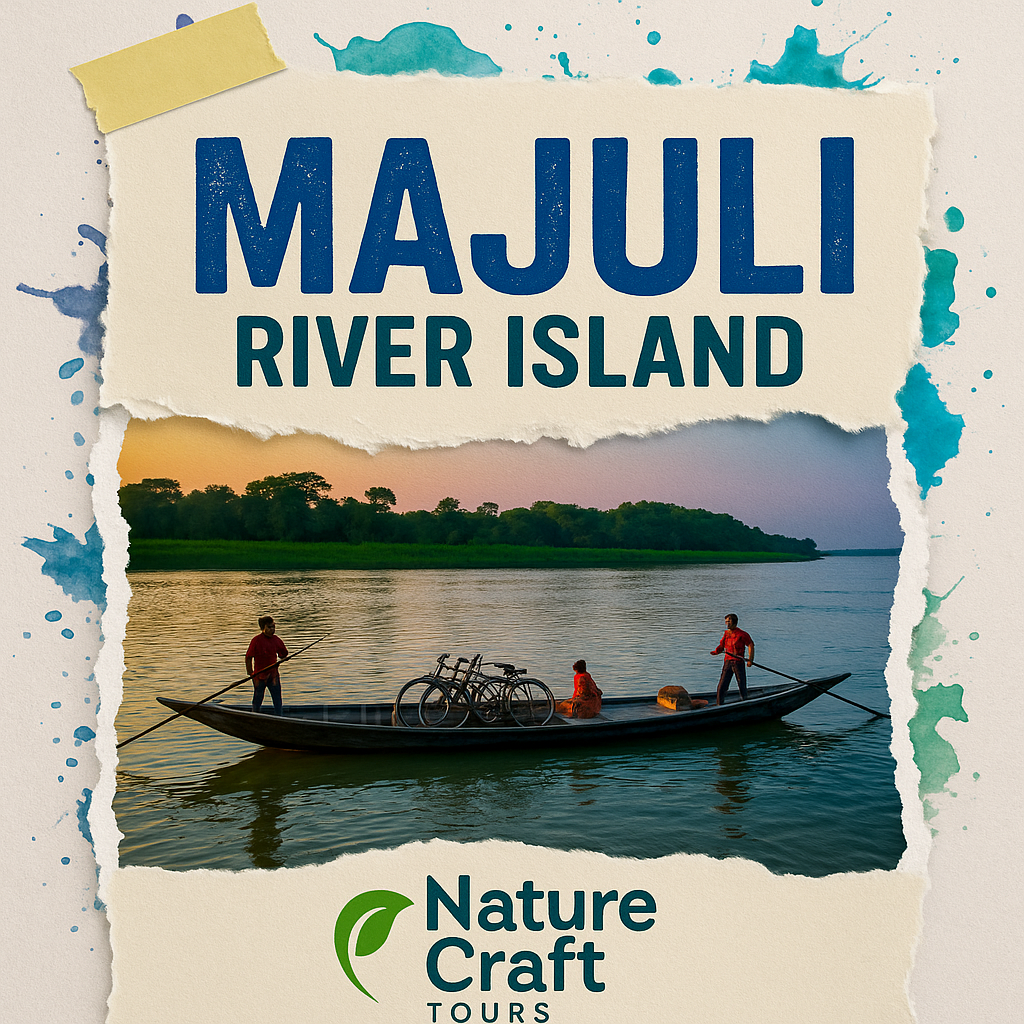
Majuli, located in the heart of the mighty Brahmaputra River, is one of India’s most extraordinary cultural landscapes and the world’s largest inhabited river island. It is a destination where timeless Vaishnavite traditions, ancient monasteries, vibrant tribal cultures, serene wetlands, and dramatic natural beauty converge to create a living heritage unmatched in the world. Majuli is not merely a place—it is an experience woven from spirituality, art, ecology, folklore, and the gentle rhythm of island life.
Recognized for its exceptional cultural significance and ecological value, Majuli is deeply rooted in the philosophy of the 16th-century saint Srimanta Sankardev, who shaped the Neo-Vaishnavite movement in Assam. The island is globally admired for its Satras (monastic institutions), distinct handloom traditions, mask-making art, pottery culture, and migratory birdlife. According to Majuli (Wikipedia), the island once spanned over 1,200 sq. km, though continuous erosion by the Brahmaputra has reduced its area significantly.
Majuli’s cultural and ecological treasures are protected through various government initiatives, and official references such as Assam Tourism provide authentic insights into its significance. This guide explores Majuli’s history, attractions, Satras, local life, distances, how to reach options, and the best time to visit, offering travellers a deeply researched understanding of the island.
Historical and Cultural Significance of Majuli
Majuli’s history stretches back centuries, shaped by the dynamic shifting of the Brahmaputra River. Ancient records suggest that this region was once part of mainland Assam, inhabited by the Kachari tribes. However, due to repeated earthquakes and devastating floods between the 17th and 18th centuries, the Brahmaputra split into multiple channels, giving birth to today’s Majuli Island.
Majuli emerged as the spiritual nucleus of the Neo-Vaishnavite movement started by Srimanta Sankardev and his disciple Madhabdev. They established Satras (monasteries) on the island, which shaped Assam’s socio-religious fabric for generations. These Satras became centers of classical Assamese dance, music, handloom, mask-making, agriculture, and community living. Majuli continues to preserve Sankari culture in its purest form.
Major Attractions and Important Points to See in Majuli
1. Kamalabari Satra
Kamalabari Satra, one of Majuli’s most respected monastic institutions, is renowned for its devotion to classical Sattriya dance, Vaishnavite literature, and socio-spiritual contributions. Tourists can witness prayer rituals, performances, religious discussions, and the tranquil lifestyle of monks.
2. Dakhinpat Satra
Founded in the 16th century, Dakhinpat Satra is the epicenter of Majuli’s famous Raslila festival—an elaborate performance depicting the life of Lord Krishna. The Satra’s architecture, murals, and large prayer courtyard reflect Majuli’s artistic heritage.
3. Auniati Satra
Auniati Satra holds a significant place in Majuli’s spiritual ecosystem, known for its golden offerings, sacred artifacts, and centuries-old manuscripts. The Satra is deeply connected with performing arts and houses artefacts from the Ahom dynasty.
4. Samaguri Satra (Mask-Making Village)
The ancient art of traditional mask-making, known as “Mukha Silpa,” thrives in Samaguri Satra. These masks, crafted using bamboo, cane, clay, and cloth, are used in theatrical productions and religious rituals. Visitors can watch artisans shaping lifelike expressions of gods, demons, and mythological characters.
5. Garmur Satra
A revered cultural center, Garmur Satra is exclusively accessible to devotees and tourists seeking peaceful meditation. Its architecture and prayer halls depict Vaishnavite traditions and Assamese artistry.
6. Mishing Tribal Villages
Majuli is home to the indigenous Mishing tribe, known for their stilt houses called “Chang Ghar,” handwoven garments, bamboo craftsmanship, and folk traditions. Visitors can explore villages, taste ethnic cuisine, witness weaving demonstrations, and interact with families.
7. Birdwatching Zones
Majuli’s wetlands attract thousands of migratory birds from Siberia, Mongolia, China, and Europe. Species include the greater adjutant stork, whistling teal, pelicans, herons, cranes, and many more. The island is a heaven for ornithologists and wildlife photographers.
8. Wetlands and Riverine Landscapes
Majuli’s lakes, known locally as “beels,” such as Chitadar Beel and Dhalibeel, offer breathtaking views of Assam’s countryside. The play of light across water, vast paddy fields, and bamboo groves create an unforgettable natural canvas.
9. Salmora Pottery Village
Salmora village is famous for hand-beaten pottery, an ancient art form sculpted without using a wheel. Potters mix clay and sand from the riverbanks, shaping utensils, idols, and decorative pieces entirely by hand.
Travellers exploring unique indigenous ecosystems often relate Majuli’s cultural value to other nature-rich destinations in India. Eco-tourism resources like the Sundarban Travel portal showcase similar heritage-nature blends.
Major Distances to and from Majuli
- Jorhat to Majuli Ferry Point (Nimati Ghat) – approx. 12 km
- Nimati Ghat to Kamalabari Ghat (Majuli ferry) – approx. 1 hour by boat
- Majuli to Sivasagar – approx. 75 km
- Majuli to Kaziranga National Park – approx. 125 km
- Majuli to Guwahati – approx. 330 km
- Majuli to Dibrugarh – approx. 210 km
Wildlife and ecological explorers often combine Majuli trips with biodiversity visits across India. Travel resources like
Majuli River Island provide detailed planning insights for nature destinations.
How to Reach Majuli River Island
By Air
The nearest airport is Jorhat Airport (Rowriah Airport), around 20–25 km from Nimati Ghat. This airport connects Guwahati, Kolkata, and other major cities. Once you reach Jorhat, it is a short ride to the ferry point.
By Rail
Jorhat Town Railway Station and Mariani Junction Railway Station are the nearest railheads. Both are well-connected with Guwahati, Dibrugarh, and major cities in India. From either station, local transport takes you to Nimati Ghat for ferry services.
By Road
Jorhat is easily accessible through NH-37. Public buses, rental cars, shared vehicles, and tourist taxis connect Jorhat with nearby towns like Sivasagar, Golaghat, Tezpur, and Guwahati. From Jorhat, travellers must reach Nimati Ghat to board ferries to Majuli.
By Ferry (Mandatory Route)
Ferry service is the primary transportation mode to Majuli. Boats carry passengers, motorcycles, cars, and goods. The scenic ferry ride across the Brahmaputra is an experience in itself, offering panoramic views of river dolphins, fishermen, and distant hills.
Staying Options in Majuli River Island
Majuli offers charming and culturally immersive accommodation options. These include bamboo cottages, tribal homestays, eco-resorts, and monastery guest spaces. All stays focus on sustainability, local craftsmanship, and serene natural surroundings.
1. Bamboo Cottages
Most bamboo cottages are built using traditional Assamese designs—raised platforms, woven walls, and thatched roofs. They offer peaceful stays, rustic comfort, and close access to Satras.
2. Eco-Resorts
Eco-resorts in Majuli emphasize harmony with nature, offering scenic views of wetlands, organic cuisine, cultural evenings, and guided tours. They are ideal for travellers seeking a blend of comfort and cultural immersion.
3. Mishing Homestays
Staying in a Mishing household is the most intimate way to experience Majuli. Guests can join traditional weaving sessions, taste ethnic dishes like apong (rice beer) and smoked fish, and observe day-to-day island life.
4. Satra Guest Facilities
Some Satras provide basic lodging for devotees and cultural scholars. These are ideal for visitors interested in deep spiritual or academic experiences.
Local Cuisine of Majuli
Majuli’s cuisine is simple, fresh, and deeply rooted in Assamese and tribal culinary traditions. Common items include steamed rice, fish curry, herbs, bamboo shoot preparations, traditional pickles, roasted fish, and rice-based sweets. Many homestays and eco-resorts serve authentic local meals prepared using organically grown produce.
Best Time to Visit Majuli River Island
The ideal time to visit Majuli is between **October and March** when the weather is pleasant, skies are clear, and the island’s cultural events take place. Winter months offer excellent birdwatching and photography opportunities.
The island experiences heavy rainfall and rising river levels during the monsoon (June to September), which may disrupt ferry services. However, monsoon brings lush greenery and dramatic river views.
Things to Do in Majuli
- Attend Raslila and Paal Naam festivals
- Explore Satras and spiritual centers
- Enjoy birdwatching in wetlands
- Experience pottery making in Salmora
- Stay with Mishing families
- Cycle through paddy fields and bamboo forests
- Explore handloom weaving traditions
- Enjoy riverbank sunsets along the Brahmaputra
Important Travel Tips
- Carry cash as ATMs are limited on the island
- Travel light during ferry rides
- Wear comfortable clothes and footwear
- Respect local customs and monastic rules
- Avoid late evening travel due to limited transportation
- Support local artisans by purchasing handwoven garments and craft items
Conclusion
Majuli River Island is a masterpiece of nature and culture—a place where tranquil landscapes blend with centuries-old traditions. From the Satras echoing devotional chants to the humble charm of tribal villages, from bird-rich wetlands to artistic craft communities, Majuli offers an unforgettable travel experience unlike any other in India.
Whether you are a cultural enthusiast, a nature lover, a photographer, a spiritual seeker, or a curious traveller, Majuli welcomes you with warmth, serenity, and timeless beauty. It is a destination that must be experienced slowly, thoughtfully, and respectfully to truly appreciate its extraordinary heritage.