Manas National Park
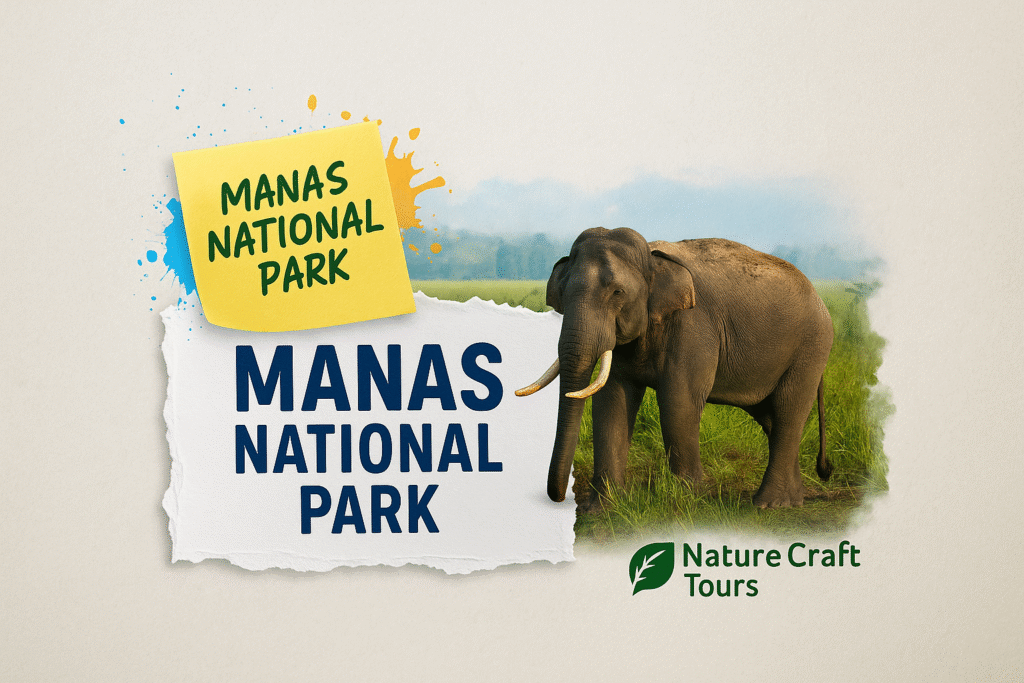
– A Complete Travel Guide to Assam’s UNESCO Biosphere Paradise
Nestled along the foothills of the Eastern Himalayas, Manas National Park stands as one of the most exceptional wildlife destinations in India. Located in the state of Assam and sharing its boundary with Bhutan’s Royal Manas National Park, the area forms a vast transboundary conservation landscape that shelters some of the rarest and most endangered species on Earth. Its pristine beauty, combined with its status as a UNESCO World Heritage Site, Biosphere Reserve, and Project Tiger Reserve, makes Manas one of India’s most treasured ecological landmarks.
The Manas River, from which the park derives its name, flows gently from the Bhutanese highlands into this lush wilderness, enriching the forest with life-giving waters. The landscape is a mesmerizing blend of riverine forests, alluvial grasslands, tropical moist deciduous vegetation, and low-lying hills. This vast diversity of terrain has nurtured more than **55 species of mammals**, **450 species of birds**, **50 reptiles**, and numerous endemic flora that define the ecological identity of the Eastern Himalayas.
Overview of Manas National Park
Manas was officially declared a sanctuary in 1928 and later upgraded to a National Park in 1990. Over the years, its conservation significance has grown due to the presence of rare wildlife—such as the pygmy hog, golden langur, Assam roofed turtle, Hispid hare, Bengal florican, clouded leopard, and the majestic Royal Bengal Tiger. According to
Manas National Park (Wikipedia), the park is one of the few natural habitats where these species coexist in the wild.
This unique biodiverse zone is further connected to the Bhutanese ecosystem, allowing unrestricted wildlife movement across international borders. The conservation corridor between India and Bhutan helps maintain genetic diversity and strengthens long-term survival prospects of endangered species.
For those researching Indian biodiversity, government resources such as the official Assam tourism website Assam Tourism often provide authoritative insights into the wildlife and cultural heritage of Manas.
Major Safari Zones and Sightseeing Areas in Manas
1. Central Range (Bansbari Range)
The Bansbari Range is the most frequently visited safari zone, known for its expansive grasslands and high wildlife visibility. Herds of Asiatic elephants, wild buffaloes, rhinoceros, swamp deer, and golden langurs can often be seen in this region. The area also features several wetland zones ideal for birdwatching.
2. Panbari Range
The Panbari forest range is a fragment of old-growth forest and is an excellent location for birdwatchers. Species like the great hornbill, green imperial pigeon, and rufous-necked hornbill can be spotted here. Due to its dense vegetation and remote access, this zone offers a rich, untouched wilderness experience.
3. Bhuyanpara Range
The Bhuyanpara range lies on the southeastern part of the park and is comparatively quiet, offering serene landscapes and uncrowded safari experiences. This area is gradually gaining recognition for its tiger and leopard sightings. The scenic stretches of tall grasslands make it perfect for photographers.
4. Kokilabari and Chunia Beats
Located closer to the Bhutan border, these regions allow glimpses of migratory birds, the Manas river basin, and biodiversity corridors connecting Bhutanese forests. They are ideal for researchers and nature enthusiasts wanting to explore deeper eco-sensitive regions.
Major Distances to and from Manas National Park
- Guwahati to Manas – approx. 140 km (3.5 to 4 hours)
- Barpeta Road to Manas – approx. 22 km
- Bongaigaon to Manas – approx. 70 km
- New Alipurduar (West Bengal) to Manas – approx. 180 km
- Shillong to Manas – approx. 270 km
- Phuentsholing (Bhutan border town) to Manas – approx. 195 km
Travellers exploring national parks in India often refer to wildlife-focused platforms like National Park Travel for structured information across various forest destinations.
How to Reach Manas National Park
By Air
The nearest airport is **Lokpriya Gopinath Bordoloi International Airport, Guwahati**, located around 140 km from the park. The airport is well-connected with major Indian cities through direct flights. From the airport, tourists can hire taxis or travel by bus towards Barpeta Road and onward to the Bansbari entrance gate.
By Rail
The nearest railway station is **Barpeta Road Railway Station (BPRD)**, only around 22 km away. Regular trains from Guwahati, Kolkata, Delhi, and Siliguri halt here. Guwahati Railway Station, being a major junction, is also used by many tourists before taking a road journey to Manas.
By Road
Manas National Park is accessible through National Highway routes connecting various cities of Assam. Government buses, private tourist coaches, rental cars, and shared vehicles frequently travel between Guwahati, Barpeta Road, and Bansbari. The road journey offers scenic views of rural Assam, paddy fields, and glimpses of the Himalayan foothills.
Nature lovers often explore similar UNESCO World Heritage landscapes like the mangrove forests of West Bengal, and one can plan comparative eco-tourism journeys using resources like the Sundarban Travel portal.
Staying Options in and around Manas National Park
A wide range of accommodation options offer comfortable stays around Manas, especially near the Bansbari Range gate. These include premium jungle lodges, eco-resorts, government rest houses, and community-run accommodations. All properties emphasize sustainability and provide essential services like safari booking assistance and nature walk arrangements.
1. Jungle Resorts
These resorts provide well-appointed cottages, nature-themed interiors, and Assamese-style hospitality. Many of them are surrounded by forests and tea gardens, offering scenic views and peaceful environments ideal for relaxation and wildlife observation.
2. Eco-Lodges and Community Stays
Eco-lodges constructed using bamboo, thatch, and local materials offer authentic experiences rooted in rural Assamese living traditions. Community-managed homestays contribute directly to local conservation initiatives and provide home-cooked Assamese meals along with cultural interactions.
3. Government Tourism Lodges
Assam Tourism and Forest Department operate various lodges near the Bansbari entrance, offering simple and clean accommodations. These are ideal for travellers seeking economical stays within close reach of safari zones. Bookings must be made in advance through official government portals.
4. Tea Garden Bungalows
Manas is fringed by heritage tea estates that now operate as boutique stays. These colonial-era bungalows offer serene environments, manicured lawns, and elegant architecture—perfect for travellers wanting a blend of luxury, culture, and proximity to nature.
Safari Experiences in Manas National Park
Jeep Safari
Jeep safaris are the most popular mode of exploring Manas. The routes traverse grasslands, riverine patches, sal forests, and open meadows where one may spot rhinos, elephants, wild buffaloes, golden langurs, and even tigers. Morning safaris provide exceptional opportunities for wildlife photography.
Elephant Safari
Elephant safaris are conducted primarily near the Bansbari range, enabling close-range viewings of wildlife, especially rhinos. These safaris provide a unique vantage point that allows photographers to capture dramatic landscapes of the Himalayan foothills.
River Rafting on Manas River
Adventure enthusiasts can enjoy river rafting on the **lower Manas river stretch**, which flows through picturesque valleys, forests, and sandbanks. The rafting routes often allow sightings of migratory birds, otters, and riverine wildlife.
Bird Watching Trails
Manas is home to some of the rarest birds in the world, such as the Bengal florican, great hornbill, pied harrier, swamp francolin, and white-rumped vulture. Winter months are particularly rewarding for birdwatchers due to the influx of migratory species.
Important Things to See Inside Manas National Park
- Manas River viewpoint – ideal for sunrise photography
- Rivaldo watchtower – strategic vantage for wildlife observation
- Mathanguri Forest Lodge – famous for scenic Bhutanese hill views
- Bansbari Tea Plantation – picturesque garden tours
- Tiger Reserve core zone – best region for big cat sightings
- Elephant corridors and wetland patches
Nearby Places to Explore
Travellers can explore several cultural and natural attractions near Manas:
- Chakrashila Wildlife Sanctuary – habitat of golden langurs
- Barpeta Sattra – historic Vaishnavite spiritual center
- Bhutan border region – scenic hill views and chilly winds
- Buxa Tiger Reserve (West Bengal) – located further northeast
Best Time to Visit Manas National Park
The ideal season to visit Manas is **November to April**, when the weather is pleasant, vegetation is rejuvenated after monsoon rains, and wildlife sightings become frequent. December and January offer clear skies and spectacular views of snow-clad Bhutanese peaks.
The park remains closed from **May to October** due to heavy monsoon rainfall, flooding, and conservation requirements. The flood cycle of the Manas River is vital for enriching soil fertility and sustaining the grasslands essential to wildlife survival.
Travel Tips for Visiting Manas
- Carry warm clothing during winter mornings
- Use neutral or earthy-toned clothing during safaris
- Book safaris and accommodations well in advance
- Do not litter inside or near the forest premises
- Respect wildlife and maintain silence during safaris
- Avoid using flash photography
- Support community-based tourism where possible
Conclusion
Manas National Park is more than a wildlife sanctuary—it is a sanctuary of harmony between nature, culture, and conservation. Its sweeping landscapes, diverse ecosystems, and rare species make it one of India’s most unforgettable destinations for travellers seeking authentic wilderness experiences. The park stands as a testament to transboundary conservation excellence, bridging India and Bhutan through a shared ecological vision.
From the vibrant grasslands and deep forests to the serene riverbanks enriched by the life-giving waters of the Himalayas, Manas offers every visitor a profound journey into the heart of nature. Whether you are a wildlife researcher, nature photographer, birding enthusiast, or adventure seeker, Manas National Park promises timeless memories and a renewed appreciation for the extraordinary natural heritage of Assam.