Sittong – The Orange Village of the Darjeeling Himalayas
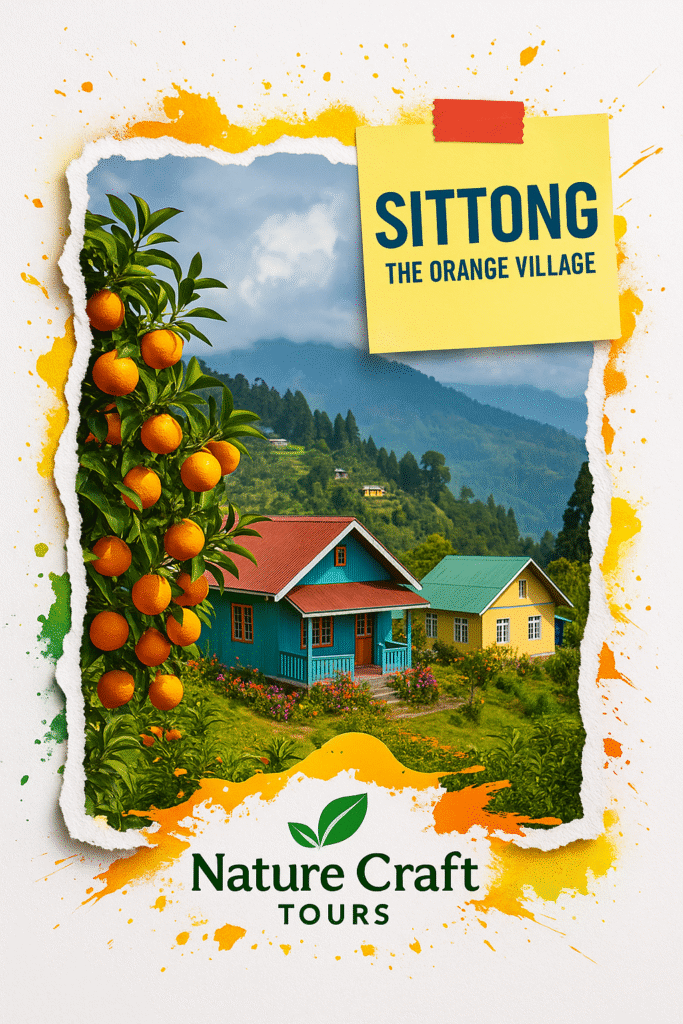
Hidden in the deep valleys of the Darjeeling foothills, Sittong — popularly known as the “Orange Village” — is one of the most scenic, culturally rich, and eco-friendly destinations in North Bengal. Located in the Riyang Valley and surrounded by thick forests, terraced farms, waterfalls, bamboo groves, and orange orchards, Sittong has emerged as a serene retreat for travellers seeking an authentic Himalayan village experience.
The region is famous for its extensive orange cultivation, especially in the winter months when the slopes come alive with thousands of bright, golden fruits. Beyond oranges, Sittong is also known for its heritage, colonial-era churches, traditional Lepcha settlements, birdlife, riverside trails, and peaceful climate that invites relaxation and mindful travel.
Unlike mainstream hill stations, Sittong preserves the purity of mountain life — slow, calm, green, and connected deeply with nature. It is one of the most recommended destinations for families, couples, nature lovers, photographers, and cultural travellers who want to explore rural Darjeeling in its true essence.
Geography and Overview of Sittong
Sittong lies across a large area divided into Upper Sittong, Middle Sittong, and Lower Sittong. This cluster of villages is settled across the slopes of the Riyang Valley, with elevations ranging from 1,800 to 4,500 feet. The orange orchards thrive due to the perfect blend of fertile soil, moderate temperatures, and abundant winter sunshine.
The entire Sittong belt is covered in lush greenery, dotted with homestays, bamboo plantations, flower gardens, cardamom bushes, and winding mountain roads. The calm Riyang River flows gently at the base of the valley, adding serenity to the landscape and offering scenic spots for picnics and short hikes.
History and Cultural Heritage
Sittong is historically home to the Lepcha community, one of the oldest indigenous groups of the Eastern Himalayas. Their ancient traditions, sustainable farming methods, and rich folklore continue to be preserved through daily life and village activities.
During colonial times, Sittong gained popularity for its high-quality oranges, which were transported to Darjeeling and other hill stations. Today, orange farming continues to be the primary livelihood for many families, with several households maintaining their orchards across terraced slopes.
Best Things to See in Sittong
1. Orange Orchards
The biggest attraction of Sittong is undoubtedly its sprawling orange orchards. From late November to early February, the entire valley turns golden with thousands of ripe oranges hanging from the trees. Walking through these orchards is a surreal experience — the aroma of citrus fruit mixes with fresh mountain air, creating an unforgettable ambience.
Visitors often enjoy:
- Fruit picking (with permission)
- Photography inside the orchards
- Learning about organic orange farming
- Interacting with local cultivators
2. Riyang River
The Riyang River flows gracefully along Lower Sittong and provides a perfect spot for relaxing, picnicking, or simply observing the natural surroundings. Small wooden bridges, pebbled riverbanks, and crystal-clear waters create a soothing environment ideal for peaceful walks or family outings.
3. Sittong Church (Old British-Era Church)
One of the most significant heritage structures in the region is the Sittong Church, built during the British period and reconstructed after a devastating fire. The church is simple yet historically significant and offers insights into colonial influence in the region. Its tranquil surroundings make it a perfect meditative corner.
4. Namthing Pokhri
Located in the upper regions of Sittong and close to Latpanchar, Namthing Pokhri is a seasonal lake surrounded by dense pine forests. It is also one of the last remaining habitats of the Himalayan Salamander. On clear days, the route to the lake offers glimpses of Mt. Kanchenjunga and the surrounding ridges.
5. Latpanchar – Gateway to Mahananda Wildlife Sanctuary
Just 12–15 km from Sittong lies Latpanchar, a biodiversity hotspot famous for:
- Rare Himalayan birds
- Butterflies
- Elephant herds (in deeper forests)
- The endangered Rufous-Necked Hornbill
Birdwatchers from around the world visit this region to witness the extraordinary avian population. The forest trails are serene, scenic, and ideal for nature photography.
6. Lepcha Monastery
A small but culturally rich monastery in Upper Sittong represents the spiritual heritage of the local Lepcha community. The monastery is surrounded by pine forests, prayer flags, and peaceful viewpoints.
7. Tea Gardens Near Sittong
Though not as extensive as the main Darjeeling tea estates, several small tea plantations near Sittong offer beautiful walking paths and viewpoints. Visitors can learn about tea harvesting and enjoy fresh, aromatic tea grown in the Himalayan foothills.
8. Bamboo and Cardamom Plantations
The fertile slopes of Sittong are rich in bamboo forests and cardamom plantations. Walking through these plantations provides a deeper understanding of traditional Himalayan farming methods that continue to sustain local communities.
9. Jogighat Bridge
Located in Lower Sittong, Jogighat Bridge is a picturesque spot offering views of the river, forest, and rustic mountain trails. It is an excellent place for landscape photography.
Nearby Tourist Destinations
- Kurseyong – 35–40 km
- Dilaram – 26–28 km
- Latpanchar – 12–15 km
- Mungpoo – 8–10 km
- Lepchajagat – 38–40 km
- Darjeeling – 45–50 km
- Mirik – 45–48 km
Major Distances from Sittong
| Route | Approx. Distance | Travel Time |
|---|---|---|
| NJP Railway Station | 55–60 km | 2–2.5 hours |
| Bagdogra Airport | 55–60 km | 2–2.5 hours |
| Kurseyong | 35–40 km | 1.5 hours |
| Latpanchar | 12–15 km | 30–40 minutes |
| Mungpoo | 8–10 km | 20–25 minutes |
| Darjeeling | 45–50 km | 2 hours |
| Mirik | 45–48 km | 2 hours |
How to Reach Sittong
By Air
The nearest airport is Bagdogra Airport, located around 55–60 km away. From the airport, travellers can hire private cars via the Sevok–Kalijhora–Latpanchar route or choose the Rohini–Kurseyong belt depending on weather and road conditions.
By Rail
The nearest major railhead is New Jalpaiguri Railway Station (NJP). Shared vehicles are available up to Kurseyong or Mungpoo, from where travellers can take reserved cars to reach Sittong.
By Road
Sittong is well-connected through scenic mountain routes:
- Siliguri – Sevoke – Kalijhora – Latpanchar – Sittong
- Siliguri – Rohini – Kurseyong – Dilaram – Mungpoo – Sittong
- Darjeeling – Ghoom – Jorebungalow – Latpanchar – Sittong
All routes offer breathtaking forested stretches, waterfalls, and panoramic hill views.
Accommodation Options in Sittong
Sittong is known for its warm hospitality and traditional Himalayan homestays. Most accommodations are built using natural materials such as wood, bamboo, and stone to blend with the environment.
Common features in Sittong stays include:
- Cosy wooden rooms with mountain or orchard views
- Organic, home-cooked meals
- Warm blankets and basic heating
- Gardens and open sit-out areas
- Family-friendly atmosphere
- Guided village and orchard walks
Types of Properties Available
- Traditional Homestays – Operated by local families ensuring cultural authenticity
- Forest Cottages – Located near pine and bamboo groves
- Riverside Lodges – Situated near Riyang River
- Eco-friendly Huts – Built with natural materials, ideal for nature lovers
Every stay in Sittong offers peace, privacy, and proximity to nature, making it ideal for relaxation and digital detox.
Food and Local Cuisine
Food in Sittong reflects the flavours of the Eastern Himalayan foothills. Meals are mostly organic and prepared with local produce grown right in the village.
Expect dishes like:
- Rice, dal, and home-grown vegetables
- Chicken curry or traditional country-style chicken
- Fried mountain greens
- Nepali thali
- Momos and thukpa
- Homemade pickles and fermented bamboo shoots
- Fresh oranges during the season
Best Time to Visit Sittong
Each season offers a unique experience in Sittong:
Winter (November–February)
This is the best time to visit Sittong when the orange orchards are in full bloom. The entire valley glows with golden fruits, and the weather remains delightfully cold. Ideal for families and photographers.
Spring (March–April)
Rhododendrons, wildflowers, and blooming orchids make spring vibrant and colourful. The weather remains clear and pleasant, perfect for outdoor activities.
Monsoon (June–August)
The valley turns lush and green during monsoon. Misty mornings, soothing rain, and waterfalls make it a beautiful season, though the roads may be slippery.
Autumn (September–October)
Clear skies, festivals, and fresh harvests mark the autumn season. This is also a great time for nature walks and cultural experiences.
Activities to Enjoy in Sittong
- Walk through orange orchards
- Riverbank picnics near Riyang
- Birdwatching in Latpanchar forests
- Visit to Namthing Pokhri
- Village tours and cultural interactions
- Short treks to nearby viewpoints
- Photography of landscapes and village life
- Exploring bamboo and cardamom forests
- Tea tasting at nearby gardens
Travel Tips for Visitors
- Carry warm clothing throughout the year
- Walking shoes are essential for orchard and forest trails
- Respect local customs, culture, and eco-friendly guidelines
- Network connectivity may be limited in some areas
- Avoid wandering near forests after sunset
- Try local fruits and organic produce
- Advance booking is recommended during winter
Conclusion
Sittong is more than just the Orange Village — it is a living portrait of Himalayan life, painted with emerald forests, golden orchards, and the peaceful rhythms of mountain culture. Its rustic charm, warm hospitality, and untouched beauty make it one of the most rewarding offbeat destinations in the Darjeeling foothills.
Whether you wish to experience blooming orange orchards, explore hidden forest trails, enjoy village life, or simply relax amidst nature, Sittong offers a soul-refreshing journey unlike any other.