Sualkuchi – The Silk Village of Assam: A Complete Travel Guide
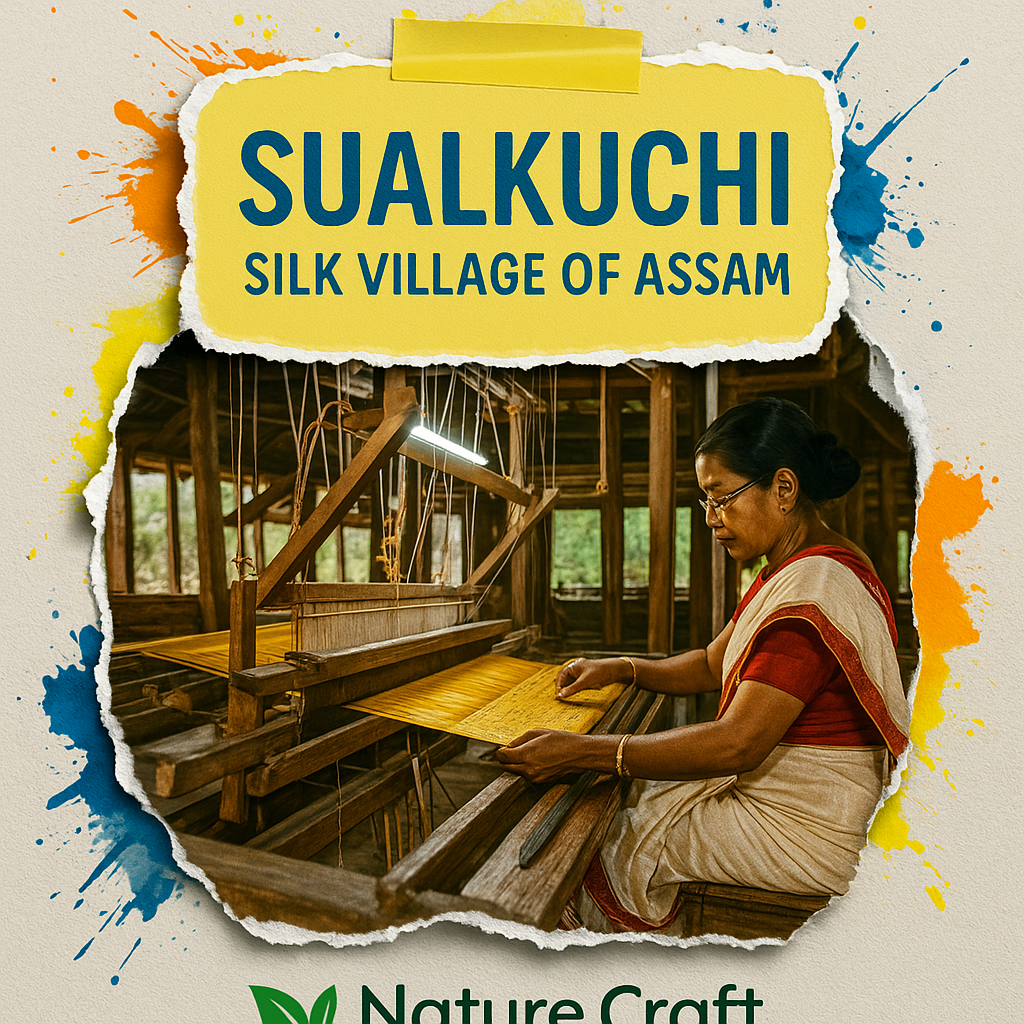
Sualkuchi, often called the “Manchester of Assam,” is one of India’s finest handloom weaving centres and an enduring symbol of Assamese cultural heritage. Located on the northern bank of the Brahmaputra River, about 35 kilometres from Guwahati, this historic craft village is renowned for producing Assam’s most exquisite silks—particularly Muga, Eri and Pat. For centuries, Sualkuchi has preserved the ancient techniques of silk rearing, spinning, dyeing and weaving, creating fabrics that are both artistically rich and culturally significant. According to the official state information portal Assam Tourism, Sualkuchi is considered the largest weaving village in Assam, where the rhythmic sound of looms resonates throughout the settlement.
Historically, the village served as a textile hub under various dynasties, including the Ahom rulers, who actively supported weaving traditions. Over time, Sualkuchi evolved into a flourishing community where nearly every household practiced weaving. Today, travellers from across India visit Sualkuchi to witness its intricate handloom art, explore traditional sericulture and purchase unique silk garments. A detailed overview of the village’s historical significance and weaving culture can be found at Sualkuchi – Wikipedia. The charm of Sualkuchi lies not only in its exquisite textiles but also in its scenic riverside setting, traditional houses, serene environment and artistic way of life. Travellers seeking to understand how weaving centres and riverfront communities sustain ancient cultural traditions often explore related destinations in India. Platforms such as Sundarban Tour offer insights into heritage landscapes that reflect the rich cultural tapestry of Eastern India.
History and Cultural Importance of Sualkuchi
Sualkuchi’s history can be traced back to the 11th century when weaving was documented as a household craft among Assamese communities. During the era of the Ahom dynasty (13th–19th century), the village rose to prominence as a royal weaving centre. Royal families commissioned Sualkuchi artisans to create ceremonial attires and traditional garments. With the passage of time, these techniques were preserved and expanded, allowing the village to develop into a specialised weaving settlement.
The British period further strengthened Sualkuchi’s reputation as the region became known for the highest quality silks. Even today, weaving is the primary livelihood for most families, reflecting a collective identity formed around craftsmanship, cultural inheritance and artistic excellence.
Sualkuchi is also deeply tied to Assamese festivals such as Bihu, where traditional woven garments become symbols of pride. The designs created here—floral motifs, geometric patterns, mythological figures and delicate threadwork—continue to influence Assam’s cultural attire and fashion identity.
Types of Silk Produced in Sualkuchi
1. Muga Silk – The Golden Silk of Assam
Muga silk, native exclusively to Assam, is the hallmark of Sualkuchi’s identity. Derived from the Antheraea assamensis silkworm, which thrives in Assam’s climate, this silk is renowned for its natural golden sheen. The fabric grows more lustrous with age, making it a prized possession for ceremonial attire such as Mekhela Chador and sarees. Muga silk garments crafted in Sualkuchi often feature intricate woven motifs reflecting Assamese flora, fauna and cultural symbols.
2. Pat Silk – The Shimmering White Silk
Pat silk, produced from mulberry silkworms, is known for its smooth texture, bright natural whiteness and refined finish. Pat fabrics are often used for festive wear, bridal attire and traditional outfits. The weaving techniques employed in Sualkuchi bring out the silk’s natural gloss and enhance artistic designs.
3. Eri Silk – The Silk of Peace
Eri silk, often associated with sustainable and cruelty-free sericulture, holds a unique place in Assamese textile heritage. Its warm, soft and durable texture makes it ideal for shawls, stoles and winter garments. Artisans in Sualkuchi weave Eri into elegant contemporary designs without compromising traditional aesthetics.
Major Attractions and Important Points to See in Sualkuchi
1. Traditional Weaving Houses
Visitors can step inside weaving households to watch artisans operate traditional handlooms. The rhythmic clatter of wooden looms creates a captivating atmosphere, offering a first-hand experience of how silk transforms from raw fibre to refined textile. Artisans guide visitors through spinning, dyeing, warping and weaving processes.
2. Sericulture Farms
Some farms in the surrounding areas rear silkworms and cultivate host plants essential for Muga and Eri silk production. Observing silkworm rearing sheds light on the meticulous care required to produce high-quality silk threads.
3. Silk Factories and Cooperative Societies
Several cooperative societies and production centres operate in Sualkuchi, where weaving families come together for collaborative crafting and marketing. These centres often stock a wider collection of silk garments, offering visitors a chance to purchase authentic Assamese textiles.
4. Riverbanks of the Brahmaputra
The picturesque riverbanks of the Brahmaputra near Sualkuchi make for a serene retreat. The riverfront offers spectacular sunrise and sunset views and a glimpse of local fishing communities. The landscape blends cultural life with natural beauty.
5. Local Markets and Silk Showrooms
The markets of Sualkuchi are lined with silk shops displaying exquisite handwoven Mekhela Chador sets, sarees, shawls, stoles and traditional garments. Each piece showcases the skilled craftsmanship that defines the village’s reputation as Assam’s foremost silk producer.
Cultural Experiences in Sualkuchi
Sualkuchi offers a combination of craft, culture and tradition. Travellers can:
- Participate in weaving workshops.
- Observe natural dye preparation techniques.
- Interact with master weavers.
- Purchase authentic handloom textiles directly from artisans.
- Explore traditional cuisine and local festivals.
These experiences make Sualkuchi an important stop for cultural researchers, textile enthusiasts and heritage travellers.
Major Distances from Sualkuchi
- Sualkuchi to Guwahati City Centre – approx. 35 km
- Sualkuchi to Lokpriya Gopinath Bordoloi Airport – approx. 30 km
- Sualkuchi to Kamakhya Temple – approx. 28 km
- Sualkuchi to Hajo – approx. 15–18 km
- Sualkuchi to Nalbari – approx. 40–45 km
How to Reach Sualkuchi
By Air
The nearest airport is Lokpriya Gopinath Bordoloi International Airport, Guwahati, located around 30 kilometres from Sualkuchi. Taxis, rental vehicles and app-based cab services are readily available for comfortable travel to the village.
By Rail
The nearest major railway station is Guwahati Railway Station, which connects to cities across India. From Guwahati, travellers can take taxis or local transport towards Sualkuchi via the north bank routes.
By Road
Sualkuchi is well connected by road to Guwahati, Hajo and other towns in Assam. The routes passing through scenic rural landscapes add charm to the journey. Private vehicles, state buses and shared sumo services operate frequently.
Staying Options (Properties) Near Sualkuchi
While Sualkuchi itself has limited conventional hotels due to its village setting, travellers often stay in nearby towns or choose rural homestays for an authentic cultural experience.
1. Homestays in and around Sualkuchi
Several homestays operated by local families offer clean rooms, Assamese hospitality and close proximity to weaving centres. These accommodations are ideal for cultural travellers.
2. Stay Options in Guwahati
Guwahati, located roughly 35 km away, provides a wide range of hotels, boutique stays and resorts. Travellers visiting Sualkuchi as part of a day trip often prefer staying in Guwahati for its comfort and convenience.
3. Rural Eco-Lodges
Some eco-lodges around Hajo and nearby riverside areas offer peaceful stays surrounded by nature while still maintaining easy access to Sualkuchi.
Best Time to Visit Sualkuchi
The best time to visit Sualkuchi is between October and April, when the weather is pleasant and conducive to exploring weaving centres and riverbanks. During the festival seasons such as Bihu, the village becomes even more vibrant as artisans showcase new designs and cultural performances enhance the atmosphere.
The monsoon season (June to September) brings heavy rainfall which may disrupt travel plans, but the landscape becomes lush and beautiful.
Things to Do in Sualkuchi
- Witness traditional handloom weaving from start to finish.
- Purchase authentic Muga, Eri and Pat silk garments.
- Walk through scenic village roads along the Brahmaputra River.
- Visit cultural and craft centres.
- Engage in interactive weaving workshops.
- Combine Sualkuchi with Hajo, Guwahati and nearby heritage sites.
Responsible Travel Guidelines
- Support local artisans by purchasing directly from weavers.
- Respect traditional weaving spaces and cultural practices.
- Minimise plastic usage and maintain cleanliness during village walks.
- Seek permission before photographing artisans at work.
Conclusion
Sualkuchi is not merely a weaving village; it is a living cultural institution where centuries-old traditions continue to thrive. From the golden sheen of Muga to the intricate motifs of Pat and the graceful warmth of Eri textiles, every fabric crafted here reflects the artisans’ expertise and devotion. The village’s serene riverbanks, weaving households, traditional markets and cultural vibrancy make it an essential destination for travellers who appreciate craftsmanship, heritage and authenticity.
For visitors seeking immersion in craftsmanship, cultural history and rural beauty, Sualkuchi stands as one of Assam’s greatest treasures—a place where art, tradition and community remain woven together in harmony.