Taptapani – A Serene Thermal Spring Retreat in Odisha
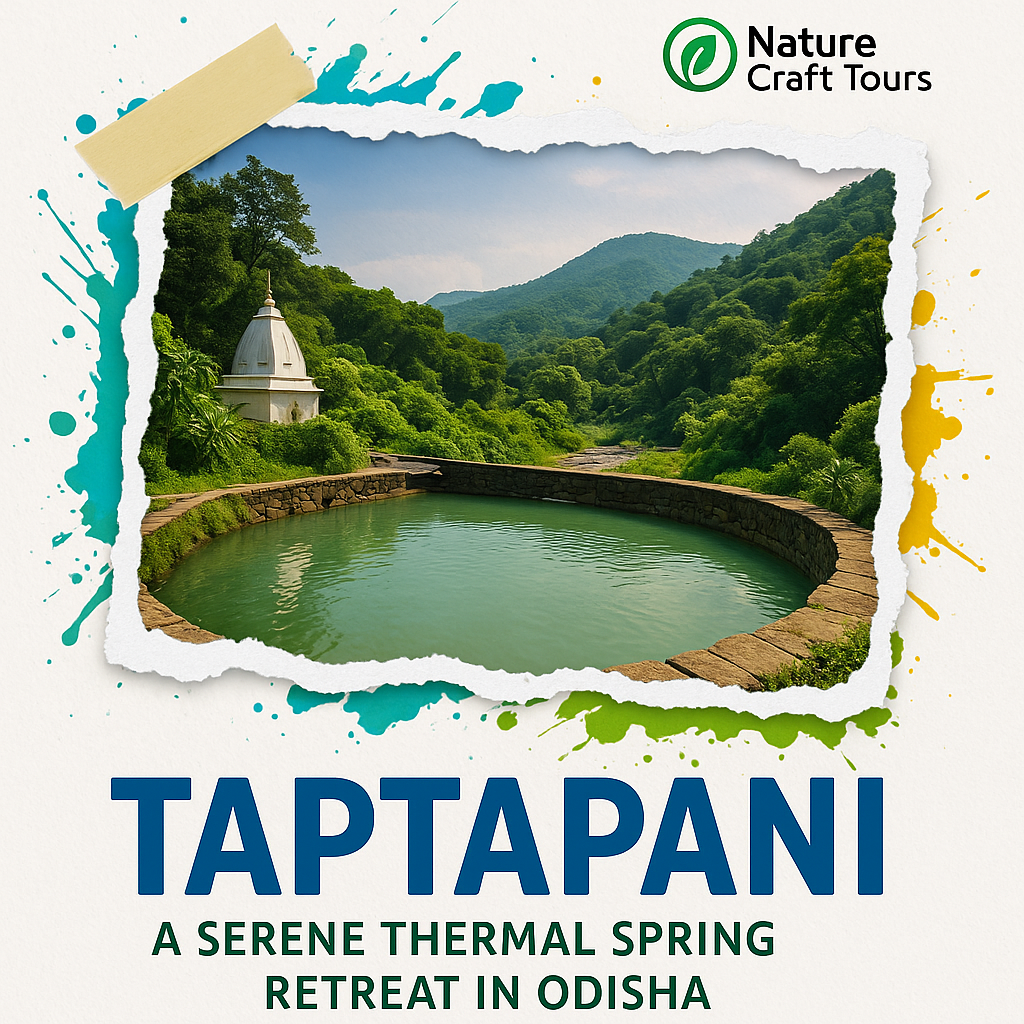
Taptapani, a quiet and culturally rich hill destination in Odisha, is known for its steaming natural hot springs surrounded by ancient forests, tribal hamlets, and gentle hill undulations. It stands as a place where time slows down, where nature takes a more soothing form, and where travellers find a sense of calmness rarely found in modern tourism hubs. Perched at an elevation of nearly 1,800 feet, this destination is particularly admired for its therapeutic waters, scenic viewpoints, and deep connection with the indigenous communities of the region.
From its mythological associations to its geological marvel, Taptapani offers an immersive experience for travellers who appreciate tranquillity, biodiversity, tribal culture, and unexplored landscapes. This comprehensive guide presents a detailed narrative on what to see, how to reach, where to stay, and when to visit — a complete, research-supported travel resource for your next journey.
Major Attractions in and Around Taptapani
Taptapani may appear minimal in size, yet it encompasses some of the most culturally and ecologically significant attractions in southern Odisha. Each place reflects a unique blend of natural beauty, local traditions, and historical significance.
1. Taptapani Hot Spring
This natural thermal spring is the prime attraction of the region. Emerging from deep underground geological layers, the spring maintains a consistent warm temperature throughout the year. Locals believe the water possesses medicinal qualities capable of relieving skin ailments and muscle pain. Visitors can take a therapeutic bath in the designated bathing complexes that store the geothermally heated water. The mist rising from the spring during winter mornings creates an enchanting atmosphere.
2. Taptapani Viewpoint
Located on a gentle hill slope, the viewpoint overlooks dense forests, vast valleys, and rolling hills. During sunrise and sunset, the landscape transforms into a golden canvas, making it ideal for photography enthusiasts and nature lovers. The viewpoint is also a hotspot for birdwatching, with species like drongos, orioles, peafowls, parakeets, and several migratory birds spotted here.
3. Chandragiri Tibetan Settlement
Situated around 35 km from Taptapani, Chandragiri is one of the largest Tibetan refugee settlements in Eastern India. The majestic Padmasambhava Mahavihara Monastery, with its ornate Tibetan architecture, colourful frescoes, and peaceful ambiance, draws cultural travellers and spiritual seekers. The settlement is also known for woollen garments and handmade Tibetan souvenirs.
4. Khasada Waterfall
About 16 km from Taptapani lies Khasada Waterfall, a serene cascade hidden amidst thick forests. It is perfect for travellers who enjoy mild trekking, photography, and quiet nature exploration. The water is clear and safe for a gentle splash, though the rocky terrains require careful movement. Monsoon and post-monsoon months reveal the waterfall in its most vibrant form.
5. Lakhari Valley Wildlife Sanctuary
Covering an extensive area of nearly 185 sq. km, this sanctuary is a refuge for elephants, sambar deer, leopards, giant squirrels, pangolins, and several bird species. The sanctuary’s proximity to Taptapani makes it an appealing choice for wildlife lovers. Morning and evening wildlife movements are particularly delightful, though official permissions and guided entry are essential.
6. Tribal Villages of the Region
Taptapani is surrounded by various indigenous communities, including the Saura and Kondh tribes. Their village settlements, traditional murals, handicrafts, and annual festivals offer a rich cultural experience. Respectful and guided visits allow travellers to understand the heritage, lifestyle, and artistry of these communities without disturbing their natural environment.
Major Distances from Taptapani
- Berhampur to Taptapani: Approx. 50 km (1.5 hours by road)
- Bhubaneswar to Taptapani: Approx. 260 km (6–7 hours by road)
- Chandragiri to Taptapani: Approx. 35 km
- Khasada Waterfall: Approx. 16 km
- Gopalpur-on-Sea to Taptapani: Approx. 70 km
- Lakhari Valley Wildlife Sanctuary: Approx. 20–25 km
The region is well-connected through smooth highways and scenic rural roads bordered by hills and dense vegetation.
How to Reach Taptapani
Reaching Taptapani is relatively straightforward, with multiple options by road, rail, and air.
By Road
Taptapani is best accessible via road. National and state highways connect it to major towns like Berhampur, Gopalpur, and Bhubaneswar. Private taxis, outstation cabs, and local buses are available at regular intervals. Travellers enjoy the journey as it passes through dense sal forests, tribal villages, and undulating hills.
By Rail
The nearest major railway station is Berhampur Railway Station, around 50 km away. It is a well-connected railway junction with trains from Kolkata, Chennai, Hyderabad, Delhi, Mumbai, and several smaller cities. From the station, travellers can hire private cars or board government buses to reach Taptapani.
By Air
The closest airport is Biju Patnaik International Airport in Bhubaneswar (approx. 260 km). From the airport, travellers can hire rental cars, pre-booked taxis, or board intercity buses to reach Berhampur and then continue towards Taptapani.
Staying Options in Taptapani
Taptapani offers a modest yet comfortable range of accommodation categories. These include eco-tourism cottages, government-managed rest houses, forest lodges, tribal-themed cottages, and mid-range hotels located in nearby towns such as Berhampur or Chandragiri. Many of these properties are designed to blend with nature, offering tranquil views of forests and hills.
1. Eco-Tourism Nature Cottages
These accommodations are surrounded by pristine natural landscapes, often located near the hot spring itself. Rooms are simple, clean, and designed for guests seeking a peaceful stay without modern distractions. The ambience is perfect for meditation, nature photography, and reading.
2. Forest Guest Houses
These government-run facilities offer basic amenities and a more rustic experience. Set amidst thick greenery, they provide a unique opportunity to witness wildlife movement and forest sounds during early mornings and late evenings.
3. Mid-Range Hotels in Berhampur
Travellers who prefer urban comforts can stay in Berhampur, which has a range of hotels offering modern facilities, restaurants, and easy transportation. Daily excursions to Taptapani are possible from these hotels due to the short distance.
4. Tibetan Settlement Guest Houses
Chandragiri offers guest houses and retreats influenced by Tibetan culture, ideal for travellers visiting the monastery. These stays provide a calm, cultural, and serene atmosphere with vegetarian meals and hill views.
Best Time to Visit Taptapani
Taptapani can be visited throughout the year; however, the atmosphere and natural settings are particularly favourable during the following seasons:
Winter (November to February)
This is considered the most ideal time. The air remains crisp and pleasant, and the fog around the hot spring enhances its mystical beauty. Wildlife sightings around the forest zones also increase during these months.
Monsoon (July to September)
The surroundings turn lush green, waterfalls become fuller, and the hills create a rejuvenating atmosphere. However, road travel may experience occasional delays due to heavy rains.
Post-Monsoon (October)
This period is perfect for photography, scenic exploration, and cultural village visits. The temperature remains moderate, and the forests appear refreshed after the rains.
Essential Travel Tips for Taptapani
- Carry warm clothing if visiting during winter, especially early mornings.
- Pre-book accommodations during peak seasons to avoid last-minute unavailability.
- Respect the cultural norms of tribal communities during village visits.
- Avoid entering dense forest zones without authorized guides.
- Carry sufficient cash as digital payment acceptance may be limited in remote areas.
- Wear appropriate footwear for trekking and waterfall visits.
Conclusion
Taptapani stands as a serene retreat for travellers who prefer nature-based tourism, cultural immersion, and peaceful landscapes. The gentle warmth of its hot spring, the surrounding tribal villages, lush wildlife sanctuaries, and its spiritual Tibetan influences collectively create an experience that is wholesome and meaningful. Whether you are a photographer, a cultural explorer, a nature enthusiast, or someone seeking a calm getaway, Taptapani offers a memorable journey into one of Odisha’s most cherished natural environments.