Sundarban Luxury Tour Package Photography Tips – Capture stunning landscapes
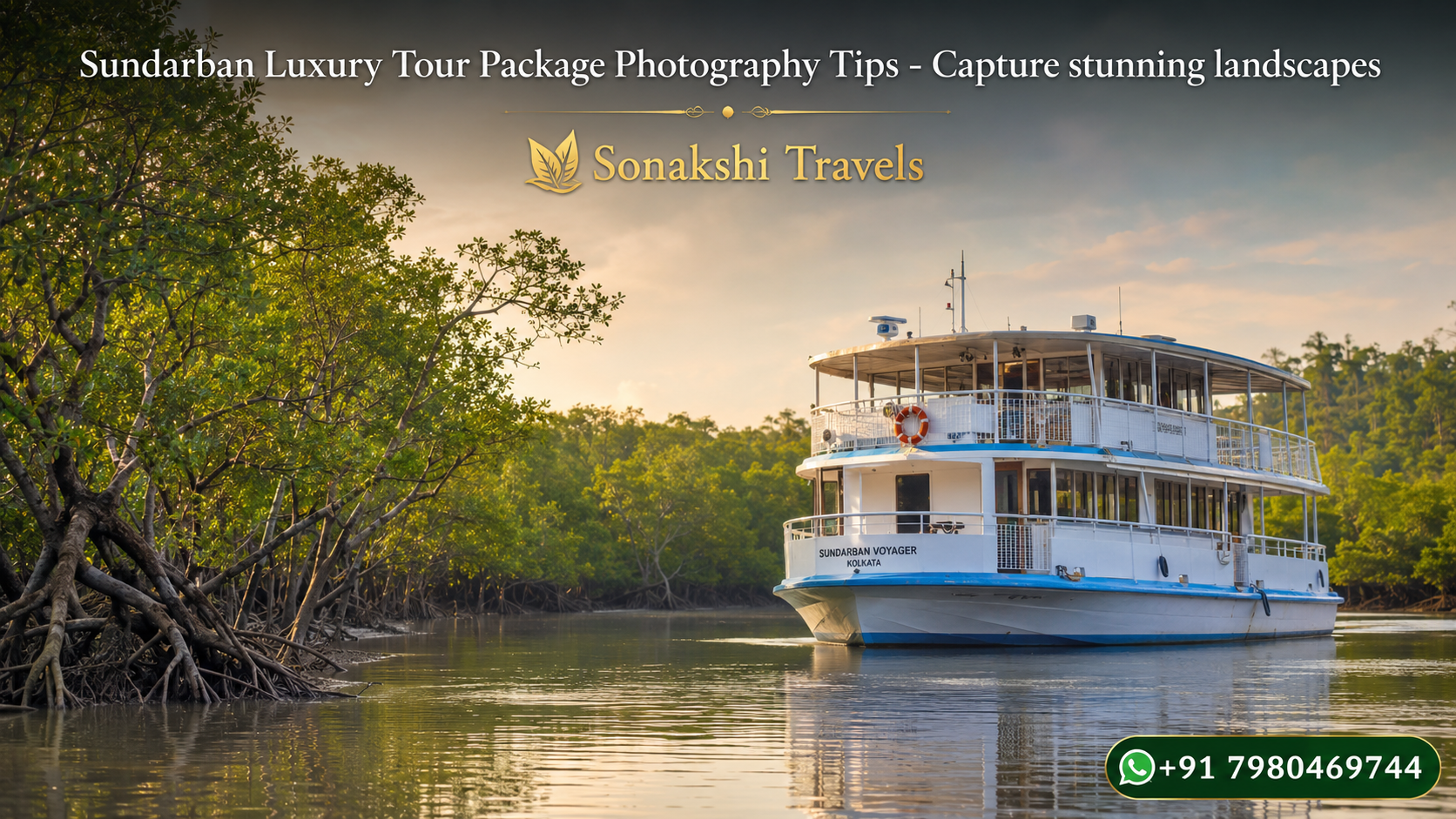
Photography in the Sundarban is not only about pointing a camera toward a river, a forest line, or a passing boat. It is about learning how the landscape behaves. The Sundarban is a place of slow movement, tidal rhythm, soft light, wide water, deep silence, and delicate mangrove patterns. A traveller who wants to capture beautiful photographs must first understand that this region does not always reveal itself loudly. Its beauty often appears in quiet layers: a reflection on muddy water, a curved root near the bank, a bird crossing a grey sky, a boat moving through a narrow channel, or a golden line of light touching the mangrove edge.
For travellers choosing a Sundarban luxury tour package, photography becomes a more refined experience because comfort, privacy, and unhurried observation allow the eye to notice more. Luxury here does not mean only better rooms or smoother arrangements. In the context of photography, it means more mental space, better planning, cleaner movement, and a calmer way to observe the river-based landscape. The camera works best when the mind is not rushed. The Sundarban rewards patience, discipline, and quiet attention.
Understanding the Visual Character of the Sundarban
The Sundarban is visually different from hill stations, beaches, forests, or city destinations. It does not depend on dramatic mountains, colourful streets, or sharp skyline views. Its beauty is horizontal, wide, and atmospheric. The river often becomes the foreground. The mangrove line forms the middle frame. The sky creates the emotional background. When these three elements work together, the image feels complete.
A good photograph from the Sundarban usually carries a sense of space. Even when the subject is small, such as a fishing boat, a bird, a branch, or a distant forest line, the surrounding emptiness becomes meaningful. This is why photographers should not always zoom in too tightly. The silence around the subject is part of the composition. The water, mist, mudbank, and sky help tell the story of the place.
While planning photography through Sundarban travel, it is important to think less like a tourist taking quick pictures and more like an observer reading the landscape. The region has its own visual language. Tidal marks on the bank show movement. Mangrove roots show survival. Wide rivers show scale. Narrow creeks show mystery. A passing boat shows human connection. A photograph becomes stronger when these natural and human elements are understood before they are captured.
Use Silence as a Photography Tool
One of the most powerful photography tips for the Sundarban is to stay silent before taking the shot. This may sound simple, but it changes the way the photographer sees. When the traveller becomes quiet, small visual details become clearer. The movement of water becomes visible. The reflection of trees becomes more noticeable. The difference between stillness and motion becomes easier to frame.
In many destinations, photographers chase subjects. In the Sundarban, it is better to wait for the scene to arrange itself. A river bend may appear plain at first, but after a few minutes, a boat may enter the frame, a bird may fly across the sky, or the light may change on the mangrove edge. The best photograph often comes after the first quick shot has already been avoided.
This quiet method is especially useful during a Sundarban tour, where the boat itself becomes a moving viewpoint. The photographer should not treat every passing view as a separate snapshot. Instead, observe the rhythm: how the boat turns, how the water shifts, how the forest line opens, and how the subject enters or leaves the frame. Silence helps the photographer predict the moment rather than react too late.
Frame the River as the Main Story
The river is not only a background in Sundarban photography. It is often the main subject. The entire visual identity of the region is shaped by tidal water. The forest is seen from the river, the boat moves on the river, reflections are formed on the river, and the sense of distance is created by the river. Therefore, the water should be treated with respect inside the frame.
When photographing river landscapes, keep enough space for the water to breathe. A narrow strip of water at the bottom of the image may not express the true feeling of the Sundarban. A wider foreground of water can create depth and calmness. If the water contains reflections, soft ripples, or the shadow of a boat, it becomes even more useful for composition.
For a strong landscape photograph, place the river as a leading visual path. Let the viewer’s eye travel from the lower part of the frame toward the mangrove line or the distant bend. This creates movement inside a still image. The river naturally guides the eye. A good photographer uses that natural guidance rather than forcing the composition.
Respect the Mangrove Line and Its Natural Pattern
The mangrove forest may look like a simple green wall to an untrained eye, but it is full of shapes, textures, and patterns. The uneven tree line, exposed roots, muddy banks, and branch structures create a layered image. The challenge is to avoid making the forest look flat.
To capture the mangrove line properly, look for contrast. A single leaning tree, a gap between branches, a soft reflection, or a curved bank can give the frame character. Mangroves are not always dramatic in a loud way. Their visual power lies in repetition and survival. The roots appear like natural architecture. The banks show the pressure of tide. The forest edge feels both calm and alert.
During a Sundarban tour package, travellers should use slower observation while moving past the forest line. Instead of taking many similar photographs, look for one section where the shape is stronger. A good mangrove photograph usually has some visual difference: a curve, a reflection, a natural opening, or a foreground element that gives depth.
Compose with Layers, Not Clutter
Sundarban photography becomes more powerful when the image has clear layers. A simple three-layer composition works very well: water in the foreground, boat or bank in the middle, and forest or sky in the background. This structure gives the image depth without making it confusing.
Clutter is one of the common problems in travel photography. In the Sundarban, clutter may come from too many branches, ropes, railings, people, or random boat parts entering the frame. These elements are not always bad, but they must serve the composition. If they distract the eye from the landscape, remove them by changing angle, waiting for a clearer view, or adjusting the frame.
For travellers on a Sundarban luxury tour, the advantage is often better control over space and movement. A less crowded arrangement allows cleaner compositions. A private or premium setting can help the photographer position carefully, avoid unnecessary background distractions, and spend more time with a promising scene.
Use the Boat as a Natural Viewpoint
In the Sundarban, the boat is not only transport; it is the photographer’s moving platform. This makes photography both beautiful and challenging. The frame changes constantly. The subject may move because of tide, boat direction, water current, or turning angle. A photographer must learn to use this movement rather than fight against it.
Hold the camera steady and keep the horizon straight. A slightly tilted river horizon can weaken an otherwise beautiful image. Use the boat railing carefully if it helps stability, but do not allow it to enter the frame unless it adds context. Sometimes a small part of the boat can make the image feel more immersive, but too much of it can reduce the natural beauty of the scene.
When the boat moves through a creek or river channel, watch how the perspective changes. A scene that looks ordinary from one side may become excellent after a few seconds. The photographer should be ready but not hurried. Keep the camera prepared, observe the next bend, and wait for the strongest alignment between water, forest, and sky.
Capture Scale Through Human and Natural Elements
The Sundarban is vast, but vastness is not always easy to show in a photograph. A wide river may look flat if there is no reference point. A small boat, a distant person, a bird, or a forest edge can help show scale. These elements allow the viewer to understand distance and size.
Human presence should be used gently. The Sundarban does not need crowded photographs to feel alive. A single boatman standing at the edge, a traveller looking toward the river, or a small boat passing through open water can create emotional scale. The person should not dominate the landscape unless the story is about that person. In most Sundarban images, the landscape should remain larger than the human figure.
This is especially effective for Sundarban private boat tour photography, where the boat itself can become part of the visual story. A private boat placed against a wide river and mangrove background can communicate privacy, space, and calm movement without needing heavy promotional language.
Focus on Reflections and Water Texture
Reflections are one of the most elegant elements in Sundarban landscape photography. The water may reflect mangrove shapes, sky tones, boats, or soft light. These reflections are not always mirror-like. Often they are broken by ripples, tide, or boat movement. That broken reflection can create a more natural and poetic image.
To photograph reflections well, keep the camera steady and include enough water in the frame. Do not crop the reflection too tightly. A reflection needs space to feel complete. If the river surface is textured, use that texture as part of the mood. Smooth water creates calmness. Rippled water creates movement. Muddy water creates authenticity. Each condition has its own photographic value.
A good reflection photograph should not look artificial. Avoid over-editing the water until it becomes too shiny or unreal. The Sundarban has a natural softness. Its colours are often earthy, muted, and atmospheric. The editing should protect that truth.
Photograph Mood, Not Only Objects
Many travellers return from a destination with many pictures of objects but very few pictures of atmosphere. In the Sundarban, atmosphere is one of the strongest subjects. The feeling of distance, silence, tidal movement, forest mystery, and river calm can be more powerful than a close-up subject.
To capture mood, photograph open space, soft shadows, empty river bends, slow boats, and distant forest lines. These images may not look dramatic immediately, but they carry memory. They show what the place feels like. A strong Sundarban photograph often makes the viewer feel quiet even before they understand the subject.
For Sundarban travel tips related to photography, this is one of the most important lessons: do not measure every image by sharp subject detail alone. Some photographs are valuable because they capture the emotional temperature of the place. A slightly distant frame with good balance can sometimes say more than a close frame with too much detail.
Keep Wildlife Photography Ethical and Patient
Wildlife is part of the Sundarban’s identity, but ethical photography must always come first. A traveller should never expect nature to perform for the camera. Wildlife photography here requires distance, patience, silence, and respect. The camera should not disturb the subject. The boat should not pressure the animal or bird. The photograph is successful only when the natural behaviour remains natural.
Birds, reptiles, deer, and other visible wildlife often appear briefly. The photographer must be ready, but not aggressive. A long lens is useful because it allows distance. Sudden movement, loud voices, and overexcitement can ruin both the photograph and the natural moment. The best wildlife images often come when the photographer blends into the rhythm of the boat and the environment.
Even when wildlife is not visible, the signs of life can be photographed. Footmarks on mud, birds flying over water, empty branches, or a sudden ripple can suggest the living character of the forest. This type of photography is more mature because it respects the hidden nature of the Sundarban.
Use Negative Space for Premium Visual Appeal
Negative space means the empty or open area around the subject. In the Sundarban, negative space is extremely useful because the landscape naturally contains open water and wide sky. Instead of filling every part of the frame, allow emptiness to remain. This creates elegance and calmness.
Luxury travel photography often depends on clean composition. A single boat on a wide river, a small bird against a large sky, or a narrow mangrove line below open space can feel premium without looking forced. The viewer gets room to breathe. The image feels refined.
This approach works very well when creating visual material for a Sundarban private luxury tour package. The photograph should not feel crowded or noisy. It should communicate privacy, nature, and smooth experience through visual simplicity. The more controlled the composition, the more premium the final image appears.
Choose a Clear Subject in Every Frame
Every strong photograph needs a subject. The subject does not always need to be large. It can be a boat, a tree, a curve of the river, a reflection, a bird, a muddy bank, or a person looking outward. What matters is clarity. The viewer should understand where to look first.
Before pressing the shutter, ask one simple question: what is this photograph about? If the answer is unclear, the frame may need adjustment. Move slightly, wait a little, zoom in, zoom out, or remove distractions. A beautiful place does not automatically create a beautiful photograph. The photographer must organise the view.
For example, if the subject is a boat, let the river guide the eye toward it. If the subject is the mangrove line, avoid too many foreground distractions. If the subject is reflection, keep the reflected shape visible. If the subject is silence, use open space and soft balance. Clear intention creates stronger images.
Work with Natural Colour, Not Heavy Editing
The Sundarban has an earthy colour palette. The water may appear brown, silver, grey, or golden depending on light and reflection. The mangroves may appear deep green, dusty green, or shadowed. The sky may be pale, warm, or muted. These natural colours are part of the region’s truth.
Heavy editing can easily damage the authenticity of Sundarban photographs. Too much saturation can make the forest look artificial. Too much contrast can destroy the softness of water and sky. Over-sharpening can make branches and ripples look harsh. A clean edit should improve clarity while protecting the natural mood.
For editorial travel content, it is better to use balanced brightness, gentle contrast, natural warmth, and careful shadow control. The final image should look believable. A viewer should feel that the photograph belongs to the Sundarban, not to a generic travel advertisement. Authenticity creates trust.
Tell a Visual Story Through a Photo Series
A single image can be beautiful, but a series of images can tell a fuller story. For Sundarban photography, a strong photo series may include wide river views, mangrove details, boat movement, reflection studies, quiet human moments, wildlife signs, and atmospheric frames. Together, these images create a complete visual memory.
The series should not repeat the same angle again and again. Variety is important, but it should remain connected to the main theme of landscape and atmosphere. One photograph may show openness. Another may show texture. Another may show movement. Another may show silence. This creates rhythm in visual storytelling.
For content related to best Sundarban tour packages, a thoughtful image series can support the written message more effectively than random pictures. It helps the reader imagine the journey with clarity. It also shows that the travel experience has depth, not only surface beauty.
Observe the Psychology of Distance and Stillness
The Sundarban often creates a special psychological effect through distance. The opposite bank may look near but feel unreachable. A creek may look quiet but carry hidden movement. A forest edge may appear still but suggest life inside. These feelings are important for photography because they shape the emotional power of the image.
To capture this psychology, do not always bring the subject close. Sometimes distance is the message. A far boat, a thin forest line, or a small bird in a large sky can express the scale and silence of the region. This type of photography feels more thoughtful because it does not try to explain everything. It leaves space for imagination.
Stillness is also important. A still frame does not mean a lifeless frame. In the Sundarban, stillness often contains tension, patience, and mystery. A quiet river bend can feel alive because the viewer senses that something may happen beyond the visible frame. This emotional quality makes Sundarban landscape photography different from ordinary scenic photography.
Practical Camera Discipline for Cleaner Images
Good photography also depends on simple discipline. Keep the lens clean because river air, moisture, and boat movement can affect clarity. Hold the camera securely while moving. Avoid changing lenses carelessly in open river conditions. Keep equipment protected but easy to reach. A missed moment often happens when the camera is packed too deeply or settings are not ready.
Use a fast enough shutter speed when shooting from a moving boat. Even if the subject is still, the boat may create motion. For wide landscapes, keep the horizon straight and check the edges of the frame. Small distractions at the edge can reduce image quality. For wildlife or distant subjects, focus carefully and avoid unnecessary digital zoom if it reduces clarity.
Mobile photography can also work well if handled thoughtfully. Clean the mobile lens, tap focus on the main subject, avoid over-zooming, and use composition carefully. A mobile camera may not match a professional lens, but it can still capture strong landscapes when the photographer understands light, space, and framing.
Create Images That Support the Luxury Travel Feeling
Luxury travel photography should feel calm, spacious, and well-composed. It should not depend on loud colours, crowded frames, or artificial drama. In the Sundarban, a luxury feeling comes from privacy, smooth movement, quiet observation, and closeness to nature without disturbance.
Photographs for Sundarban private tour content should show clean river views, refined boat movement, comfortable observation, and natural surroundings. The image should make the viewer feel that the journey is peaceful and personal. A luxury frame is often simple: a well-positioned boat, soft water, balanced sky, and forest line in the distance.
Similarly, photographs for a Sundarban luxury private tour should avoid visual noise. The goal is not to show too many things in one frame. The goal is to show quality of experience. Space, silence, and visual balance communicate premium travel more effectively than overcrowded compositions.
Capturing Stunning Sundarban Landscapes
Photographing the Sundarban well requires more than a good camera. It requires patience, respect, observation, and emotional understanding of the landscape. The rivers, mangroves, mudbanks, boats, reflections, and open sky all work together to create a quiet visual world. The photographer’s duty is to notice this world carefully and frame it honestly.
The best Sundarban photographs do not always shout for attention. They often speak softly. They show a boat moving through silence, a forest edge holding mystery, a reflection breaking on tidal water, or an open river carrying the feeling of distance. These images stay in memory because they capture the atmosphere, not only the view.
For travellers, writers, and visual creators, the main lesson is simple: slow down before taking the photograph. Let the landscape settle in the eye. Understand the rhythm of water and forest. Remove clutter. Use space. Respect wildlife. Preserve natural colour. Then the camera can do what it is meant to do: capture not only how the Sundarban looks, but how it feels.